
What Are You Looking For?
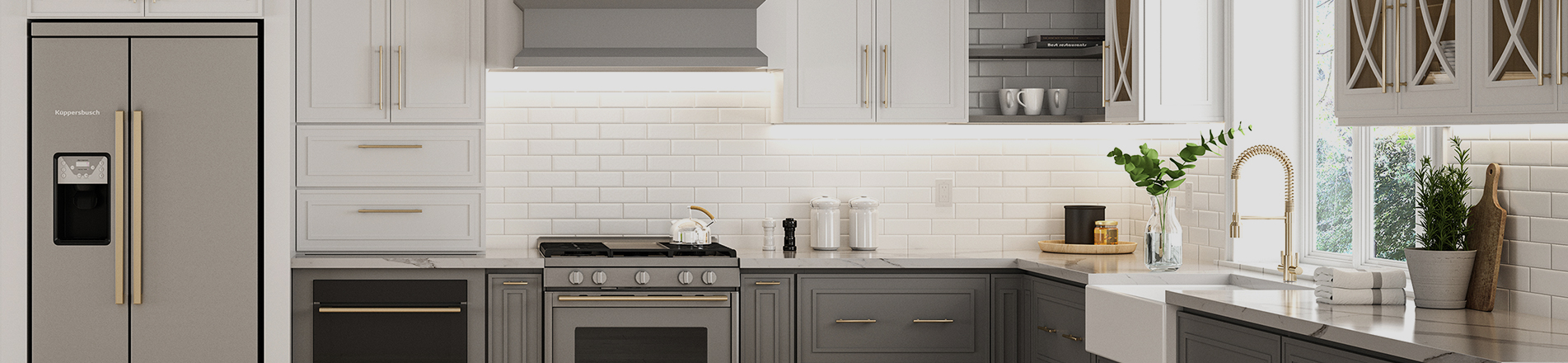
Choosing kitchen cabinets involves more than just appearance. Cabinet structure also affects daily usage experience, as well as the overall functionality, durability, cost and long-term maintenance of cabinets. Hence, which is better: frameless cabinets or framed cabinets? You can make an ideal choice based on their respective advantages.
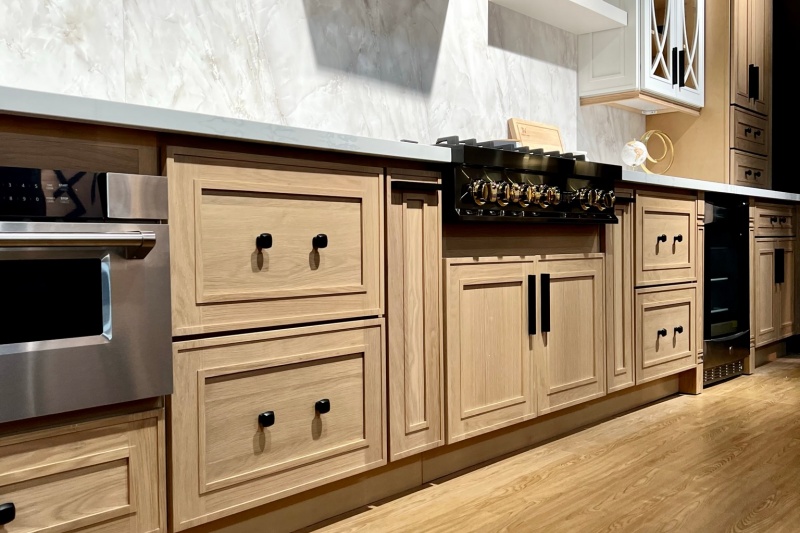
What Are Framed and Frameless Cabinets?
Before comparison, let’s clarify their structural differences. Though both are designed for storage, they feature different construction methods derived from distinct traditional designs, which fundamentally set them apart.
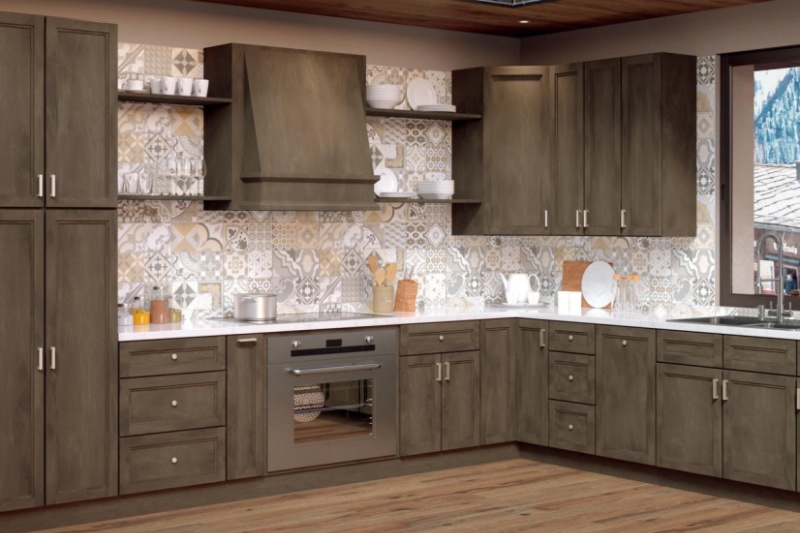
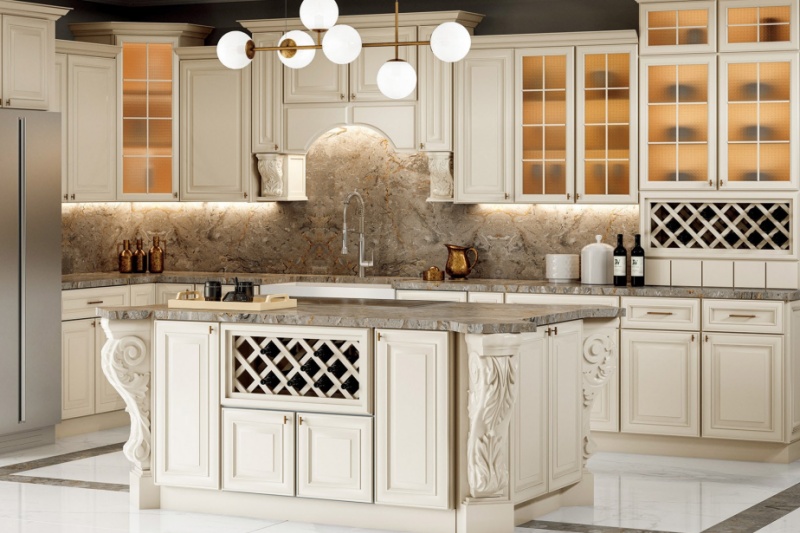
Also known as face-frame cabinets, framed cabinets are a timeless choice for North American households with a design history dating back decades. They are characterized by a solid wood frame installed on the front of the cabinet body, generally 1.75 inches wide. Composed of vertical stiles and horizontal rails, the frame forms a border around the cabinet opening.
Cabinet doors and drawers are directly mounted on this face frame, which serves as the structural support for hinges and hardware. There are three common door mounting styles for framed cabinets: full overlay, half overlay and inset, paired with a wide range of door panel designs. This is why framed cabinets remain popular in traditional and transitional-style homes.
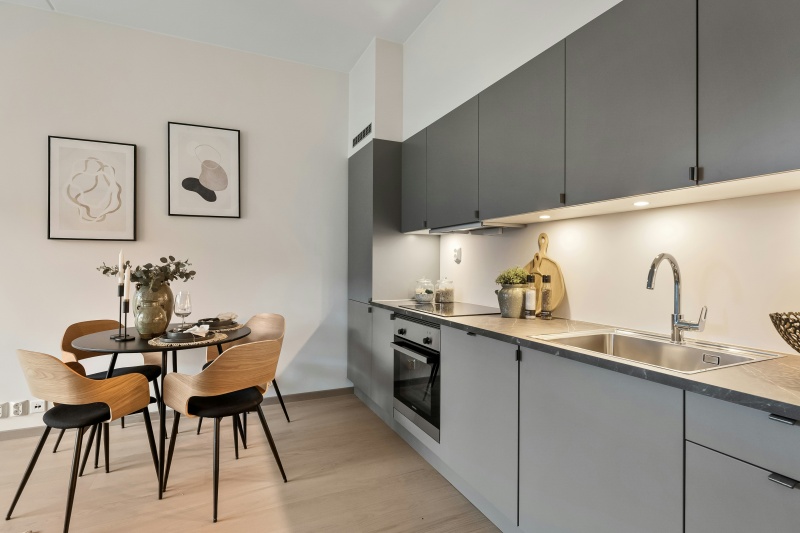
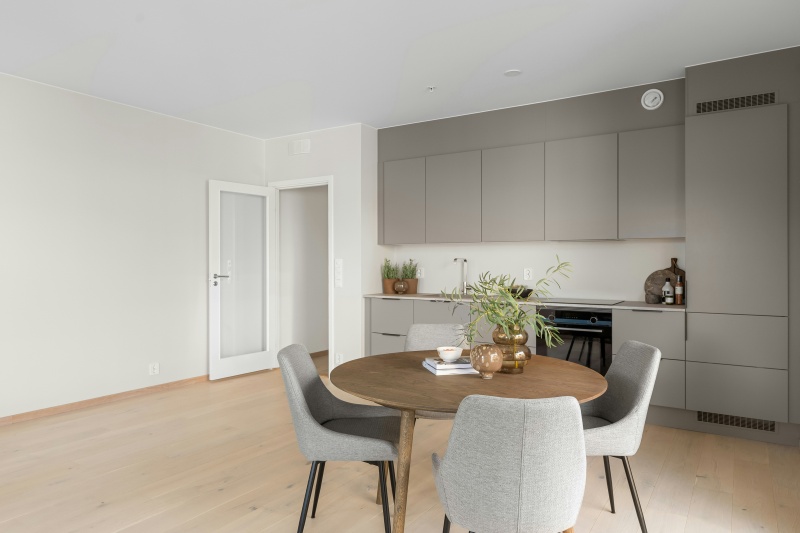
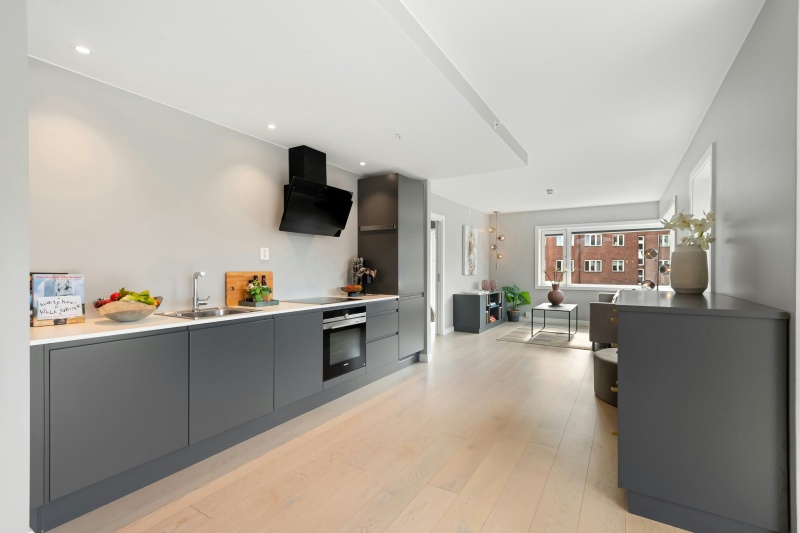
Commonly referred to as European-style cabinets, frameless cabinets originated in Europe and are widely favored in modern and minimalist interior designs. Removing the traditional face frame makes the cabinets visually sleeker. Doors and drawers are fitted directly onto cabinet side panels instead of frames.
To compensate for the absence of frames, frameless cabinets adopt thicker side panels (3/4 inches or thicker), while framed cabinets only have 1/2-inch side panels, ensuring structural stability. They are equipped with dedicated European-style hinges mounted directly on side panels, creating smooth lines and seamless connections with barely visible gaps between doors and drawers. Frameless cabinets only adopt full overlay design, delivering a unified and neat visual effect.
Advantages and Disadvantages of Framed vs Frameless Cabinets
After learning about their structures, you can select cabinets according to their pros and cons, as each type has its own merits from different perspectives.
Advantages
Disadvantages
Advantages
Disadvantages
Key Factors for Comprehensive Consideration
To decide which cabinet type suits you better, focus on core concerns including structural durability, storage space, installation difficulty and maintenance convenience.
1. Structure and Durability
If structural stability and long-term service life are your top priorities, framed cabinets are superior. The solid wood face frame reinforces the whole cabinet, effectively preventing warping and sagging and extending service life even when using lightweight materials like particleboard or MDF. It also provides flat and stable mounting surfaces for hinges and hardware to evenly disperse weight and reduce side panel wear.
The durability of frameless cabinets fully relies on cabinet materials and hardware quality. Premium frameless cabinets use thick solid wood or plywood with screw-reinforced corners and high-grade European hinges to support door panels and prolong service life. Inferior materials or hardware will easily cause irreparable faults.
2. Internal Storage Space
Storage is the core function of cabinets, so frameless cabinets win out in this aspect. Eliminating face frames increases usable internal space by 10% to 15%. This extra space is notably practical for compact kitchens and bathrooms.
Besides, frameless cabinets allow full access to the interior. Users can reach items placed deep inside effortlessly without frame obstruction, ideal for storing large-sized goods. In contrast, framed cabinets have limited opening width due to face frames, restricting the size of stored items.
3. Installation and Maintenance
Framed cabinets are simpler to install thanks to the auxiliary positioning of face frames. When it comes to later daily cleaning and maintenance, frameless cabinets are more user-friendly. Their simple structure leaves no dust-collecting frame gaps, greatly lowering daily upkeep difficulty.
4. Long-Term Value: Resale Potential & Versatility
Long-term value is also a key consideration when picking cabinets. Framed cabinets feature timeless appeal and serve as a reliable option for home resale. They are widely popular among North American households. Prospective buyers are familiar with them and appreciate their classic charm. Boasting outstanding durability, high-quality framed cabinets can last more than 20 years with proper maintenance, making them a long-lasting worthwhile investment.
Frameless cabinets are gaining growing popularity, especially in urban residences and modern-style homes. They appeal to younger home buyers who favor minimalism and ample storage space, helping your property stand out in the competitive real estate market. In terms of long-term value, both framed and frameless cabinets are excellent choices.
Choose Framed Cabinets if:
Choose Frameless Cabinets if:
Final Thought: It All Boils Down to Your Priorities
Ultimately, there is no absolute better choice between framed and frameless cabinets—it all depends on your priorities. Framed cabinets feature timeless appeal and outstanding durability, making them an ideal pick for buyers with traditional-style homes. In contrast, frameless cabinets deliver modern elegance, maximum storage capacity and full interior accessibility, perfectly suited for contemporary spaces and homeowners aiming to make the most of every inch of space.
Whichever style you opt for, quality always comes first. High-quality framed cabinets supplied by Union Woods are far more long-lasting than low-grade frameless cabinets manufactured by other factories, and vice versa. Investing in sturdy materials such as solid wood plywood and solid timber, premium hardware including soft-close hinges, and hiring professional installers (especially for frameless cabinets) will ensure your cabinets stand the test of time.
If you are still struggling to decide, feel free to consult the professional cabinet designers at Union Woods. They will assess your living space, discuss your design goals and budget, and help you settle on the most suitable cabinet style for your home. After all, cabinets are a long-term investment, and you surely want to stay satisfied with your choice for years to come.


 Newsletter
 Español
 IPv6 network supported