What Are You Looking For?
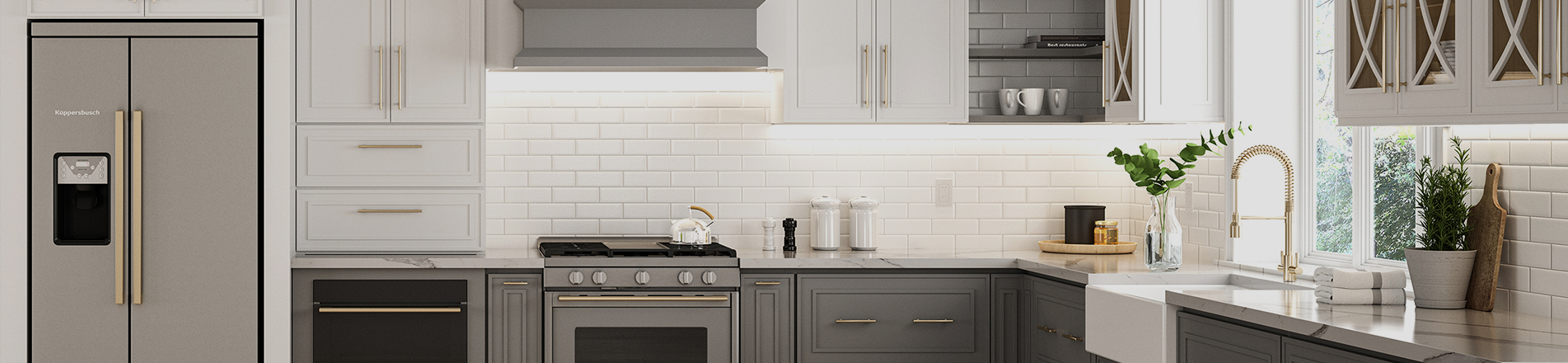
A bathroom vanity is one of the most demanding pieces of furniture in a home. It sits constantly near water, exposed to daily splashes, shower steam, condensation droplets on cold surfaces, and recurring fluctuations in temperature and humidity. This hot, humid environment places extremely high requirements on wood stability.
More than just storage for skincare products, a bathroom vanity is a cornerstone for the ritual of starting each day with a refined routine. Choosing the wrong wood can lead to warped cabinet doors, swollen edge banding, loose joints, peeling finishes, and even mold and rot at the base. For quality-focused homeowners, selecting the right wood is critical to avoiding cracking, deformation and mildew. White oak, mahogany and teak deliver the best overall performance among solid hardwoods. A premium plywood cabinet box paired with a fully sealed finish is the most reliable engineered solution; vanities built this way can easily last 20 years or more.
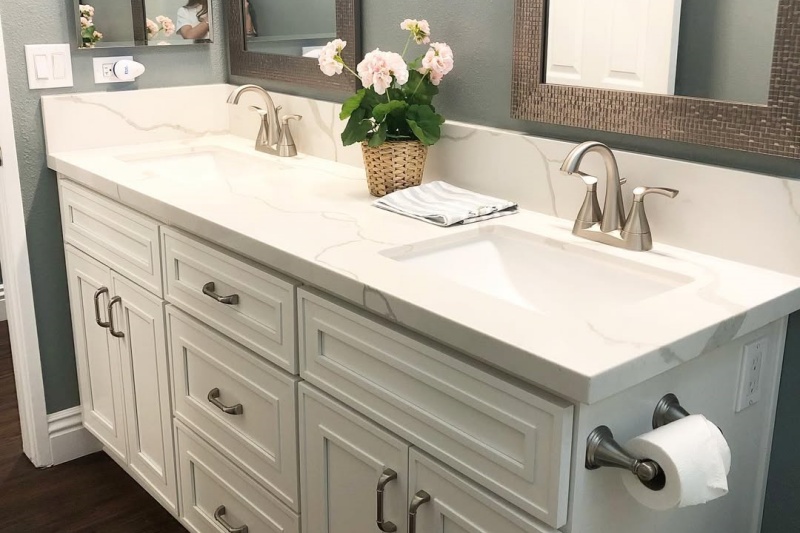
Why bathrooms are so tough on wood
Wood is hygroscopic: it absorbs and releases moisture from the surrounding air, swelling when it takes on moisture and shrinking as it dries. In living rooms or bedrooms, humidity stays relatively stable, so movement is slow and predictable. Bathrooms, by contrast, see rapid shifts multiple times a day:
The best wood for a bathroom vanity is not simply the most attractive grain. It must resist water absorption, hold its shape through humidity cycles, withstand knocks from daily use, and accept a finish that isolates the wood from the environment.
Criteria for selecting bathroom vanity materials
These benchmarks can be used to evaluate materials for bathroom vanities supplied by Vietnamese manufacturers and streamline your decision-making:
Beyond wood species, two details matter equally: the moisture content at the time of manufacture (dried to match the equilibrium humidity of the installation region), and full coverage of the finish and edge sealing. Even premium wood will fail if bare edges remain exposed to constant steam.
Solid wood options for bathroom vanities
1. Teak
Best for: Wet zones, coastal high-humidity bathrooms, SPA-style vanities, and high-end projects prioritizing longevity over budget.
Teak is widely regarded as the benchmark for wood exposed to frequent wetting. It is a dense tropical hardwood with natural oils and silica content that repel water, resist decay and minimize movement. This is why it has long been used for boat decks, outdoor furniture and shower benches — it endures repeated wet-dry cycling without rapid degradation. For bathroom vanities, teak outperforms nearly all common species against steam and splashes. Unfinished teak weathers gently to a soft silver-grey patina; oiled or fully sealed teak retains its warm golden-brown tone.
2. Mahogany
Best for: Traditional and modern light luxury floating bathroom vanities, cabinet frames and doors where a rich reddish-brown tone is desired.
Mahogany is a relatively dense hardwood with comparatively closed pores, accepting stain and clear coat beautifully for a smooth, refined finished surface. It offers solid moisture resistance and stability, with a long track record in fine furniture, marine interiors and high-grade cabinetry. Its tight, mostly straight grain deforms less readily than open-pore species, delivering crisp profiles for Shaker doors, raised-panel doors and frame-and-panel construction.
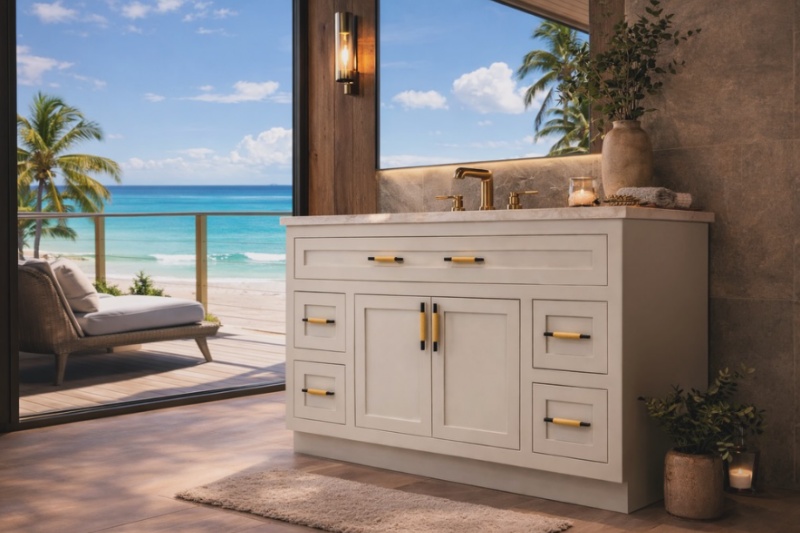
3. White Oak (Quarter-sawn / Rift-sawn)
Best for: The most well-rounded solid wood choice for most bathrooms; suits natural grain aesthetics, both contemporary and traditional designs.
White oak is a heavy, dense hardwood with a naturally tight cellular structure that blocks liquid penetration far better than red oak. It is the same material used for wine barrels, a trait that translates well to bathroom applications. Quarter-sawn and rift-sawn white oak are especially desirable: straight grain combined with medullary ray flecking suppresses cupping, making it the most predictable solid wood option for doors and drawer fronts.
White oak accepts stain and clear coat evenly and offers strong wear resistance, with a clean pale-to-medium golden tone that complements American framed oak vanity cabinets, Nordic, farmhouse, artisan and modern interiors. Its hardness also supports a long-lasting painted finish.
4. Hard Maple
Best for: Painted bathroom vanities, heavily used family bathrooms, and applications requiring a smooth, hard, dent-resistant surface.
Hard maple ranks among the hardest commercial North American hardwoods. It features a fine, subtle grain and pale color, and remains stable once properly dried, making it a favorite for paint-grade cabinetry. Its faint grain does not telegraph texture through paint. It resists everyday knocks and securely holds drawer slides, hinges and molded edge profiles. While naturally decay-resistant, it has only moderate water resistance — all faces and edges must be fully sealed, as liquid penetration will still cause swelling.
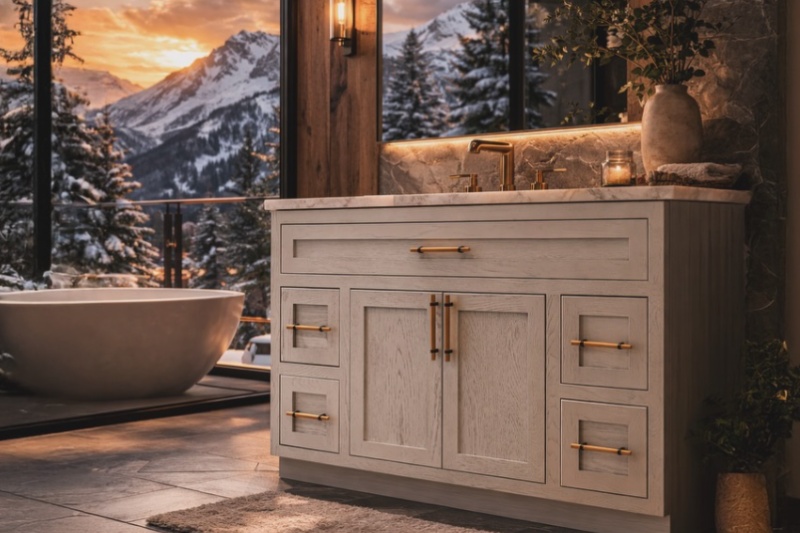
5. Rubberwood (Parawood)
Best for: Budget-friendly solid wood vanities, paint-grade or light-stained projects, and buyers prioritizing eco-friendly sourcing.
Rubberwood is a plantation hardwood harvested from rubber trees once their latex production cycle ends, making it a renewable, sustainable resource. It is pale in color, mostly straight-grained and moderately dense. It is widely used in mass-produced cabinetry and furniture for its accessible cost and acceptable staining/painting characteristics. When kiln-dried correctly and fully finished, it delivers above-average moderate moisture performance. Unsealed edges, however, remain vulnerable to swelling and deformation.
Engineered panel substrates
Most bathroom vanities are not built entirely from solid wood. Cabinet boxes, shelves and side panels typically use engineered panels, each with different responses to humidity. Understanding these substrates is essential, as cabinet boxes often fail before solid wood doors.
1. Plywood
Plywood is constructed from thin wood veneers laminated with grain directions alternating with each layer. This cross-grain structure delivers far greater stability than solid wood of the same species, resisting splitting and warping. For bathrooms, select exterior-grade or marine-grade plywood manufactured with water-resistant adhesive, such as premium birch or oak veneer plywood. With fully sealed cut edges, plywood outperforms particleboard and standard MDF and is the preferred substrate for cabinet boxes, shelves and paint-grade bases.
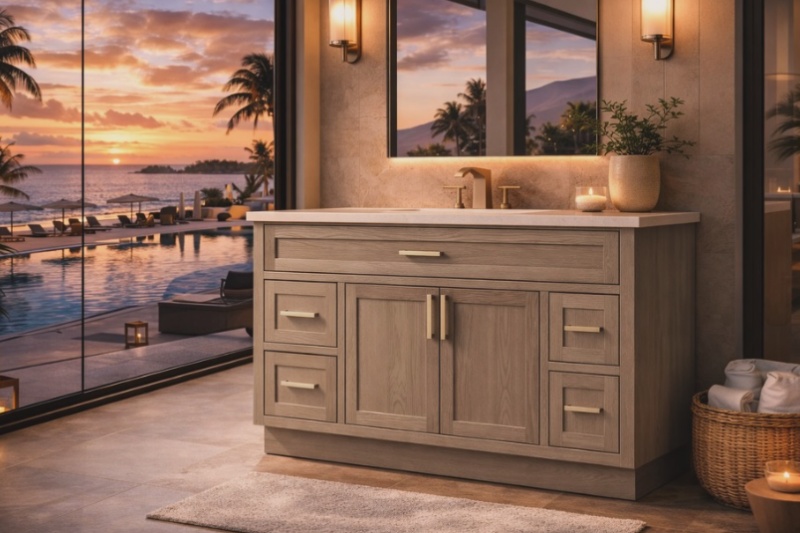
2. MDF (Medium-Density Fiberboard)
MDF is formed by hot-pressing wood fibers with resin into a uniform, smooth panel. It is dimensionally stable and free of grain texture that shows through paint, which makes it popular for flat panel doors and decorative inserts. Its critical weakness is water sensitivity: once saturated, it swells, softens and breaks down irreversibly. If used in bathrooms, limit it to drier zones and prime and seal every edge and back surface completely.
3. Particleboard
Particleboard is compressed from wood flakes and sawdust bonded with resin. It is the lowest-cost cabinet substrate but offers the weakest moisture resistance and structural integrity. It swells and disintegrates rapidly when wet, and screw connections loosen under repeated load. It appears in entry-level ready-to-assemble vanities and should be avoided wherever possible, especially at cabinet bases and near sink basins.
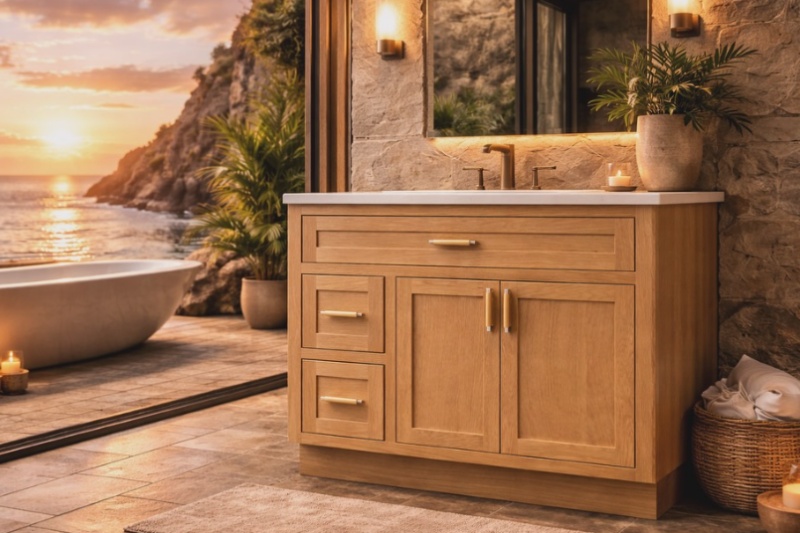
Material selection recommendations for bathroom vanities
Final summary
Ultimately, the best wood for a bathroom vanity delivers moisture resistance and dimensional stability, and your final pick should align with your bathroom humidity, ventilation and budget. As a general rule, white oak is the top solid wood choice balancing performance, appearance and consistent supply. Teak is preferred for humid coastal locations, while mahogany or hard maple work well when a premium painted or stained finish is the priority. For cabinet boxes, water-resistant plywood is the preferred substrate; particleboard and unsealed ordinary MDF should be avoided.
Wood species alone are only the foundation. Full edge sealing, a continuous protective finish and adequate ventilation are what prevent warping, mold and delamination. Union Wood, the Vietnamese factory, commonly supplies bathroom vanities for export using a plywood cabinet box + solid wood door construction. This combination balances durability, cost and reliable lead times, making it well suited for wholesale and multi-family residential projects across Europe and North America.


 Newsletter
 Español

 IPv6 network supported