
What Are You Looking For?
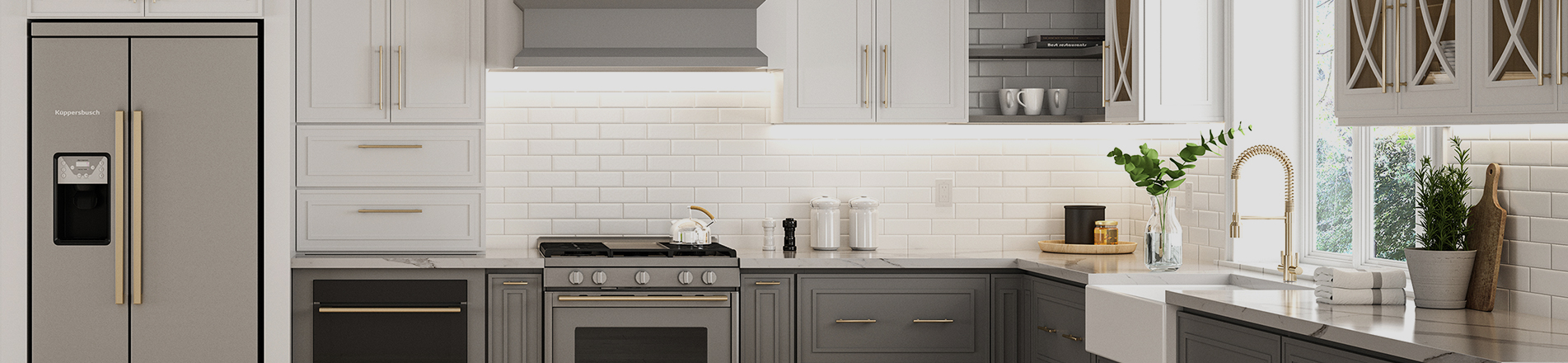
During kitchen design, cabinet materials, colors and door styles are all highly significant. However, the gloss level, texture and functional performance of cabinet finishes cannot be overlooked. Among mainstream cabinet finishes available today, matte and satin finishes are the two most widely adopted processes for residential kitchens, transitional-style kitchens and high-end custom cabinetry.
Since both fall into the low-gloss category with understated textures, most homeowners tend to confuse the two finishes, believing there is little distinction between them. In reality, satin and matte finishes have fundamental differences in coating standards, wear resistance and practical kitchen adaptability. Below is a detailed breakdown of their disparities for kitchen cabinetry.
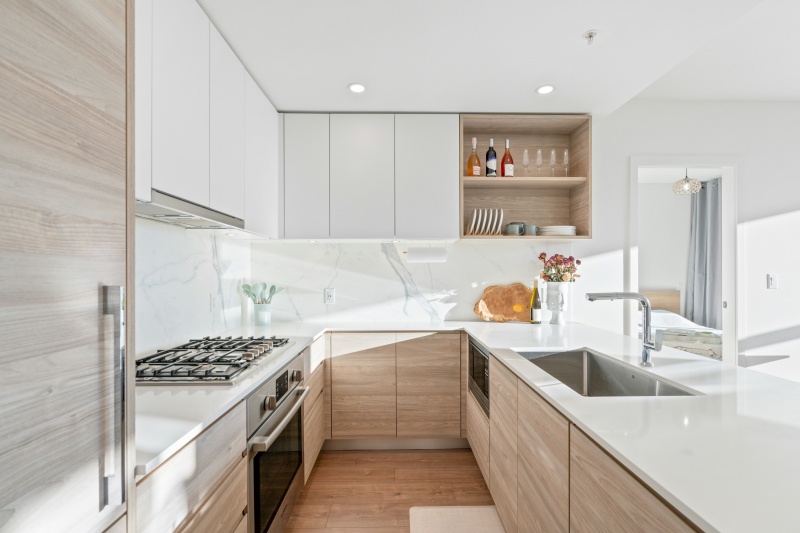
Definitions of Matte and Satin Kitchen Cabinet Finishes
Cabinet finish grades are strictly classified based on gloss value, which serves as the most intuitive and authoritative standard to distinguish satin from matte surfaces. Surfaces with different gloss levels reflect light differently, creating distinct user experiences in kitchen spaces.
1. Matte Cabinet Finish
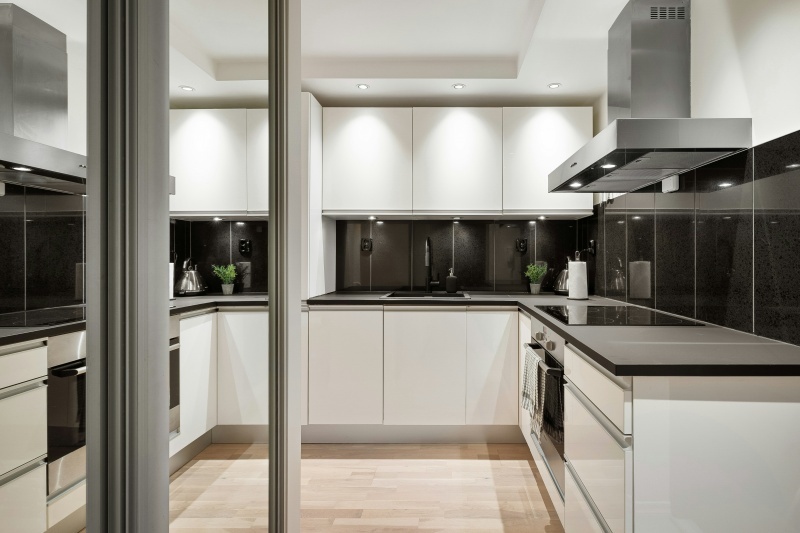
A low-reflective coating finish with a gloss value ranging from 0 to 10 gloss units, engineered to absorb rather than reflect light. Microscopically, matte painted flat panel frameless kitchen cabinets feature an evenly distributed micro-undulating surface structure, only visible upon close inspection. This structure scatters and absorbs most ambient light, producing virtually no directional reflective glare on the surface.
Visually, matte cabinet panels are smooth and boast a soft, velvety texture with pure, clean coloration free of glare or light spots. They deliver exceptional color fidelity without color distortion caused by light refraction or reflection. Premium matte finishes even offer a delicate skin-like tactile sensation that stands out uniquely.
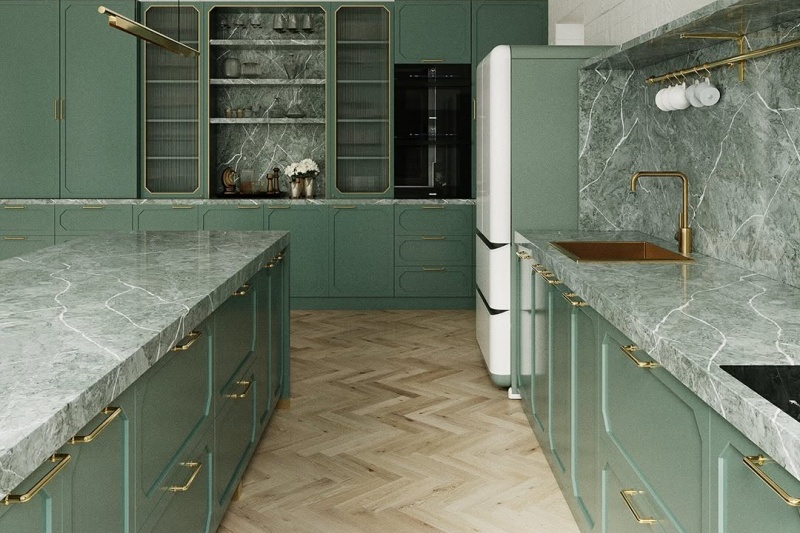
2. Satin Cabinet Finish
A medium-low gloss finish with a gloss value of 15 to 30 gloss units, sitting between matte and semi-gloss finishes. Its sleek, uniform surface bears subtle reflective microstructures that generate soft, diffused ambient light reflection without harsh mirror-like glare.
Unlike the fully flat, non-reflective texture of matte finishes, satin finishes earn their name from gentle luster and refined smoothness to the touch. When illuminated, cabinet surfaces develop a mild, uniform subtle sheen that adds depth and texture to solid-color panels while elevating overall aesthetics. Unlike high-gloss finishes that appear harsh and ostentatious, satin finishes greatly enhance cabinet visual appeal in a restrained manner.
Optical Distinction
Matte finishes eliminate light interference to showcase pure, authentic hues. Satin finishes rely on soft reflection to deepen color layers and boost spatial dimensionality. This optical divergence underpins all functional and aesthetic differences between the two finishes.
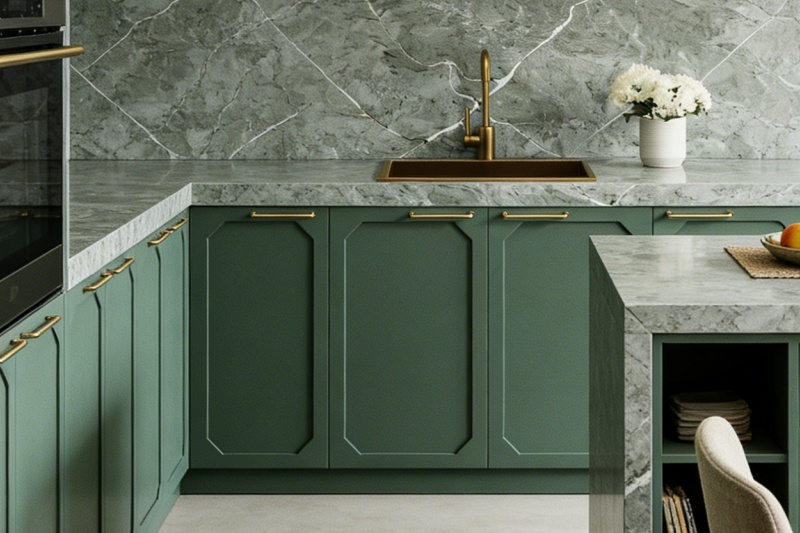
Differences in Structural Composition and Production Processes
The visual and performance gaps between the two finishes stem fundamentally from divergent coating formulas and application techniques, which also determine cabinet service life and real-world functionality.
1. Process and Structural Characteristics of Matte Finishes
Matte cabinet finishes achieve diffuse reflection by minimizing surface gloss, eliminating harsh highlights and reflections to deliver a soft, restrained, high-end aesthetic. Various finishing methods differ in raw materials, structure, tactile feel and durability, requiring selection based on practical demands.
Key traits: Matte finishes feature thicker paint films with strong hiding power, effectively concealing minor substrate imperfections including uneven wood grain, faint panel scratches and assembly seams. However, the micro-undulating surface structure slightly attracts dust, and low-quality matte finishes tend to chalk and fade after prolonged use.
2. Process and Structural Characteristics of Satin Kitchen Cabinet Finishes
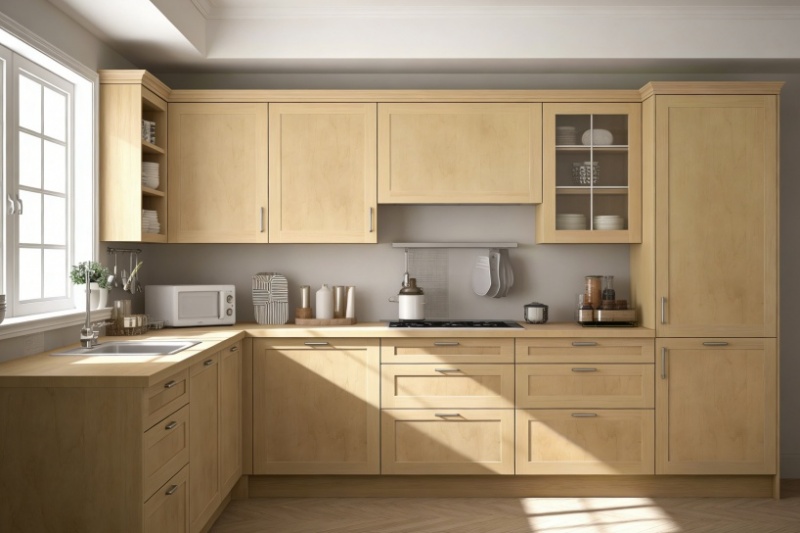
The core advantage of satin cabinet finishes lies in their understated, low-reflective appearance paired with fingerprint resistance and effortless cleaning. The effect is achieved either through textured PVC membrane pressing or low-gloss baked paint, eliminating the glaring mirror reflection of high-gloss surfaces.
Key traits: Satin finishes possess denser paint films with tighter molecular arrangement and flatter surfaces free of chalky texture. This process demands extremely high construction precision; inconsistent application results in uneven localized gloss and obvious color mismatches. High-quality satin finishes feature superior paint film toughness and adhesion for enhanced overall structural stability.
Performance Comparison in Kitchen Environments
The kitchen is a complex usage space characterized by high humidity, cooking fume contamination, frequent abrasion, and alternating hot and cold temperatures. Such harsh conditions place rigorous demands on kitchen cabinets. Beyond the visual and manufacturing differences between matte and satin finishes, their functional performance gaps are equally critical.
| Feature | Fingerprint & Stain Resistance | Daily Cleaning Difficulty | Scratch & Abrasion Resistance | Light Fastness | Moisture Resistance |
| Matte Finish | Excellent stain resistance, especially dark matte cabinets, effectively resolving the pain point of visible fingerprints and smudges | Micro-indentations on the surface trap dust and grime, resulting in relatively high cleaning difficulty | Moderately above-average performance yet delicate; limited resistance to daily knocks and sharp scratches | Superior UV resistance | Outstanding performance, the top choice for moisture-prone kitchens |
| Satin Finish | Faint fingerprints may show under direct strong light, yet barely noticeable under normal conditions; good overall stain resistance | Easy to clean; common kitchen grime can be fully removed with neutral cleaners | High surface hardness and exceptional wear resistance | Extremely strong anti-UV and anti-aging properties | Solid moisture resistance with excellent environmental adaptability |
Differences in Style & Spatial Compatibility
Matte and satin finishes create entirely distinct kitchen atmospheres, leading to different matching styles and applicable scenarios. If you are unsure which to pick, you may decide based on your kitchen’s decorative style.
1. Matte Finish: Minimalist, Luxurious & Textured
Boasting a zero-gloss flat texture, matte finishes soften the visual prominence of cabinetry and deliver a neat, streamlined kitchen aesthetic, making them the premier choice for modern minimalist, Nordic, industrial and light luxury kitchen styles.
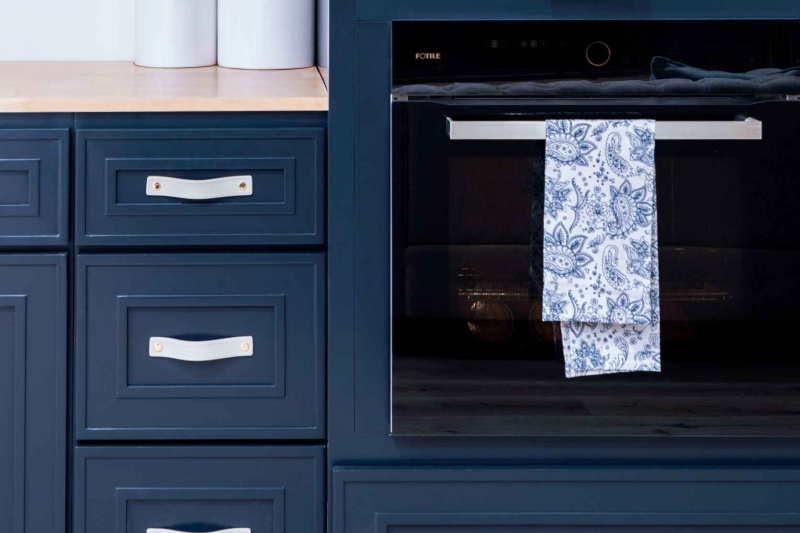
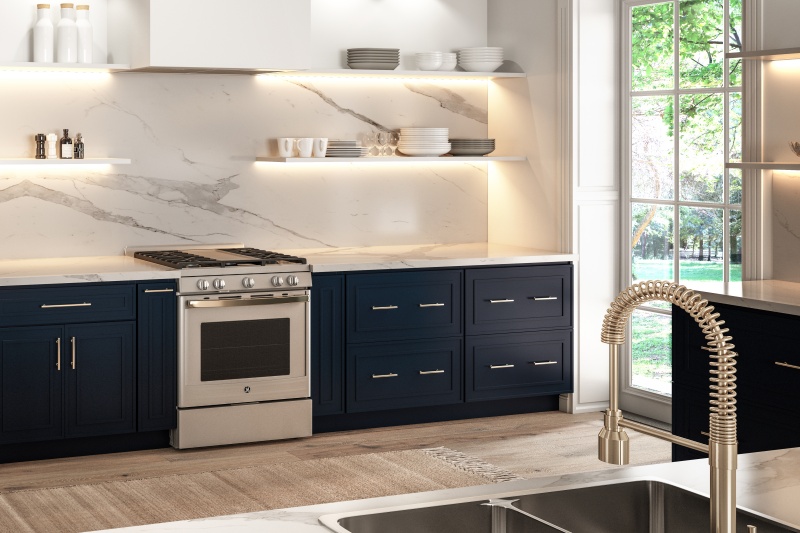
Matte surfaces effectively eliminate harsh light glare to create a calm, cozy atmosphere, ideal for well-lit kitchens where excessive light reflection would otherwise cause visual clutter. Dark matte cabinets such as eco-friendly blue matte frameless kitchen cabinets greatly elevate a space’s premium feel and depth, perfectly suited for large open-concept kitchens.
2. Satin Finish: Soft, Delicate & Universally Practical
Balancing aesthetics and functionality, satin finishes feature subtle gentle luster that lends cabinets a soft, refined texture. They avoid the stark coldness of pure matte surfaces and the tacky flashiness of high-gloss finishes, acting as an all-matching finish for transitional, American, European, pastoral and all other kitchen design styles.
Soft diffused reflected light brightens kitchens with insufficient natural light and boosts the overall airiness of small and medium-sized kitchens. For large kitchens, exclusive design black oak kitchen cabinets add richer layers and prevent a monotonous look, suitable for all kitchen sizes.
Selection Guide: Which Finish Fits Your Kitchen?
Opt for Matte Cabinets If:
Opt for Satin Cabinets If:
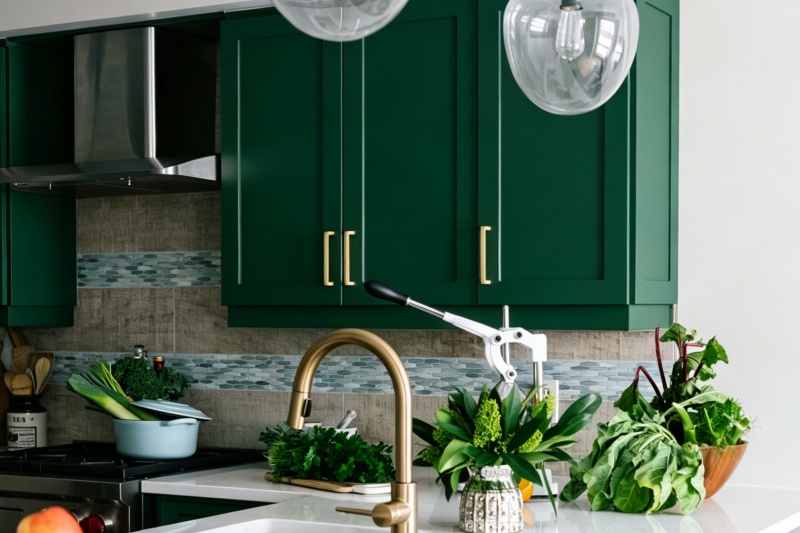
Summary of Differences Between Matte & Satin Finishes
At its core, the primary distinction between matte and satin kitchen cabinet finishes lies in the trade-off between premium artistic texture and consistent practicality.
Matte finishes deliver top-tier contemporary artistic appeal via ultra-low reflectivity and pure color payoff, catering to kitchens with low usage frequency and high design standards, yet they demand more careful upkeep and are more fragile.
Satin finishes strike an ideal balance between visual appeal and durability through balanced optical properties and high-density paint film craftsmanship. As the most widely favored finish, it offers unbeatable cost performance for daily kitchen cabinetry and is a low-regret option for most households.


 Newsletter
 Español
 IPv6 network supported