
What Are You Looking For?
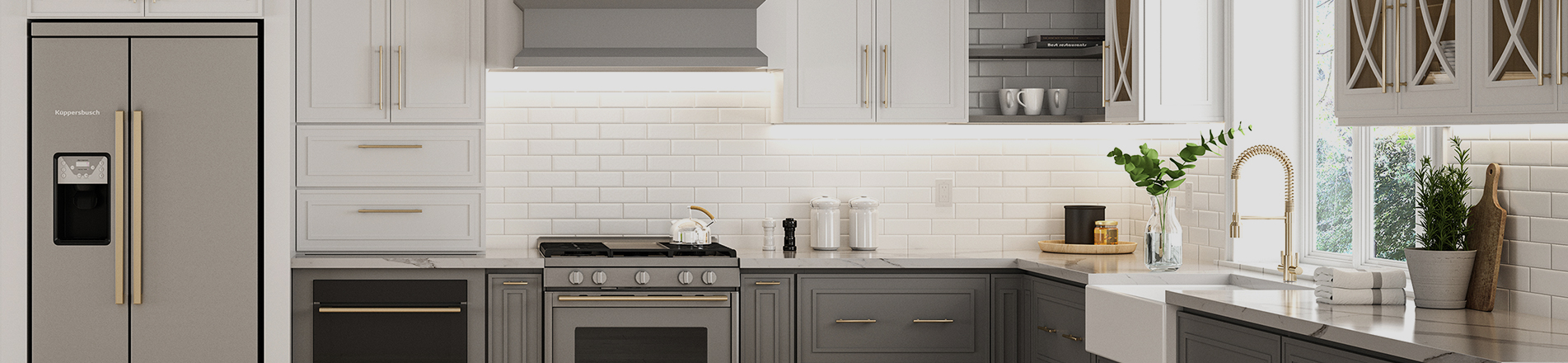
The kitchen is not just a place for cooking; it is the heart of emotional connection for the family. Here, we not only share meals but also the little moments of life. For this reason, choosing the right cabinet style is crucial. When you select your dream cabinets, the overall look and atmosphere of your kitchen will be greatly enhanced. This article breaks down the popular Shaker cabinets and flat-panel cabinets.
Flat-panel and Shaker cabinets bring completely different vibes to a kitchen. As a professional cabinet supplier from Vietnam, we understand which style suits each design aesthetic. We will also compare durability and maintenance to help you decide which one fits your dream kitchen and make the best choice.
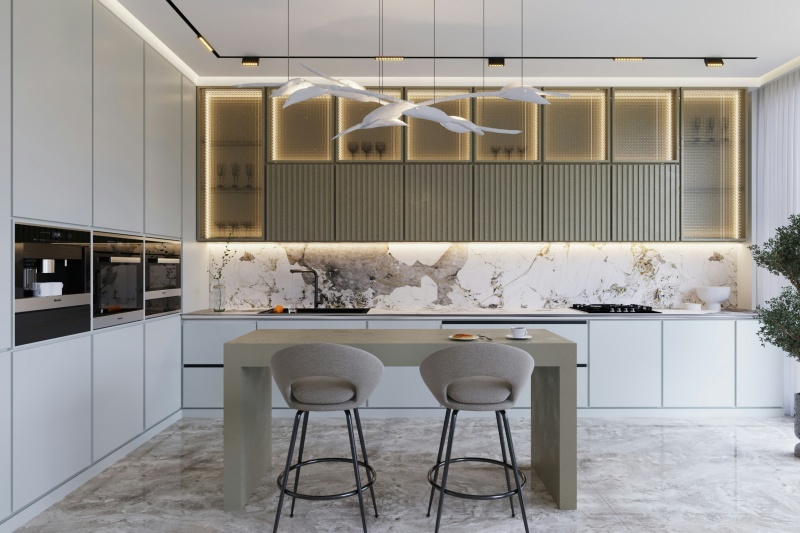
First, let’s clarify: What are flat-panel cabinets? What are Shaker cabinets?
Before formally comparing their differences, we will explain the structure of these two door styles — this is the root of the visual and functional differences between flat-panel and Shaker cabinets.
The biggest feature of flat-panel cabinets is the use of a single, solid door slab with no frame or molding. The design is extremely simple, with no raised lines, recessed details, carvings, or decorative trims.
Door materials can include solid wood, plywood, MDF, or particleboard. The edges are clean and the surface is smooth, with no complex craftsmanship. They highlight the material, finish, and color itself, making them ideal for modern, minimalist spaces and creating a clean, uncluttered visual effect.
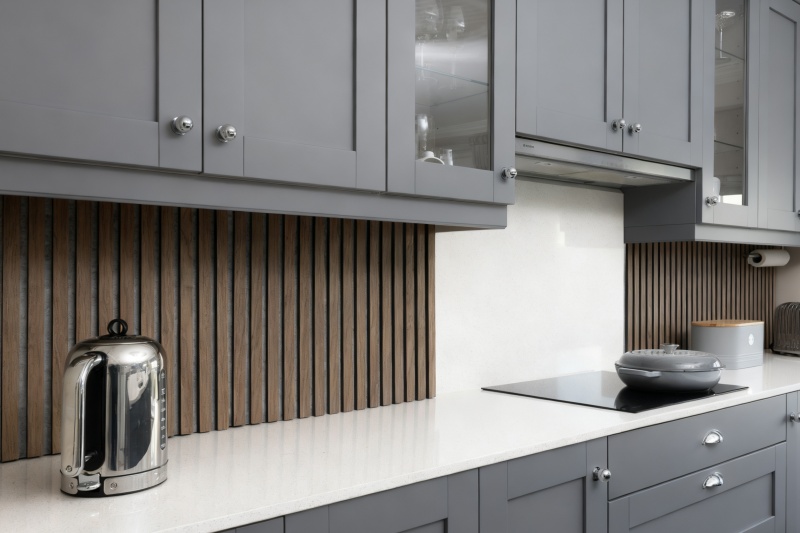
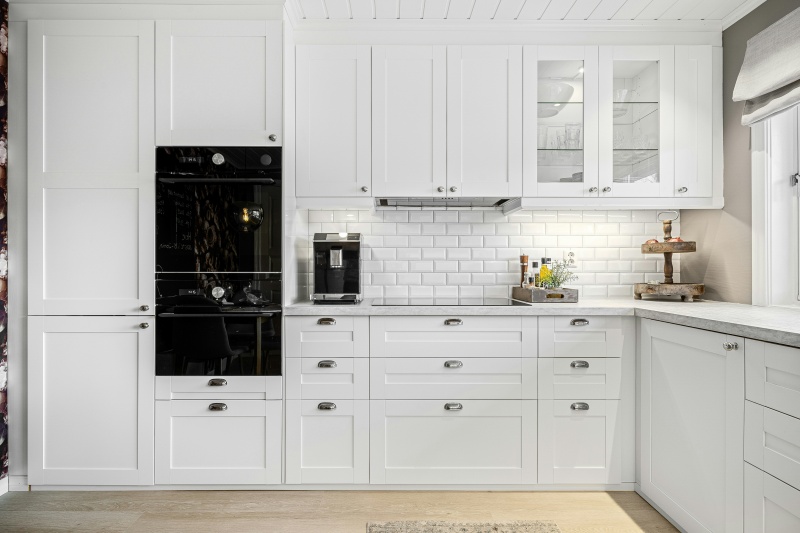
Shaker cabinets originated in the 18th century and have stood the test of time. The classic design is a five-piece construction, made of four frame stiles and rails surrounding a central panel, with 90° right angles and no bevels, chamfers, or relief carvings.
The frame is made of solid wood, while the central panel uses MDF to ensure flatness and a better visual appearance. Shaker design is defined by simplicity, functionality, and minimal ornamentation. Unlike overly ornate raised-panel cabinets, they are highly versatile and timeless, matching most interior styles.
Flat-Panel vs. Shaker Cabinets Comparison
If you want to know whether to choose flat-panel or Shaker cabinets, a side-by-side comparison is essential. We provide a comparison covering appearance, cost, cleaning, and other aspects to help you make an informed decision based on your needs.
| Features | Shaker Cabinet | Flat Panel Cabinet |
| Appearance | Right-angle frame + center panel | One-piece solid panel |
| Cost | Medium to high, depending on materials | Generally more affordable |
| Cleaning Difficulty | Frame grooves trap dust, slightly harder to clean | Extremely easy to clean |
| Durability | Framed structure, sturdy and durable | Overall stable, not easy to warp |
| Space Suitability | Better effect in large kitchens & American-style homes | More friendly for small spaces & small apartments |
Best Application Scenarios for Flat-Panel Cabinets & Shaker Cabinets
Both cabinet door styles are highly versatile, yet they shine in distinctly different settings. While they work with various decor styles, they truly maximize their aesthetic appeal in their most suitable environments.
Flat-Panel Cabinets are Ideal for These Spaces:
Shaker Cabinets are Ideal for These Spaces:
Daily Cleaning Difficulty Comparison
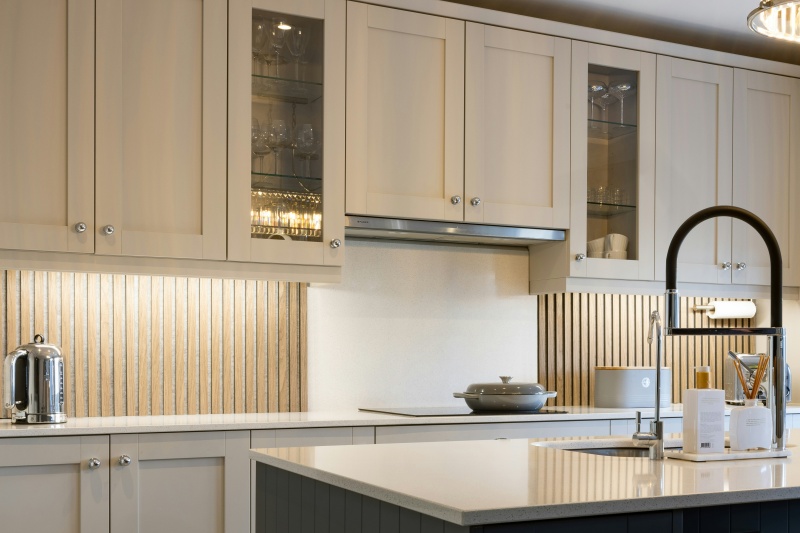
When choosing kitchen cabinets, many people consider not only appearance but also how easy they are to clean. Whether cabinets are easy to maintain and stain-resistant is a key concern. Due to their different door panel structures, flat panel and Shaker cabinets vary significantly in cleaning difficulty.
Flat Panel Cabinets: Hassle-Free Cleaning
Smooth surface with no grooves or dead corners, so oil stains, dust, and food splatters have nowhere to hide. Stains can be easily wiped clean with a soft cloth and neutral detergent—no need to pick at crevices or specially clean dead corners. They are less likely to accumulate dirt or dust with long-term use, making them perfect for busy households.
Tip: High-gloss flat panel doors show fingerprints and water marks more easily. Matte finish doors are more suitable for busy families with children or pets.
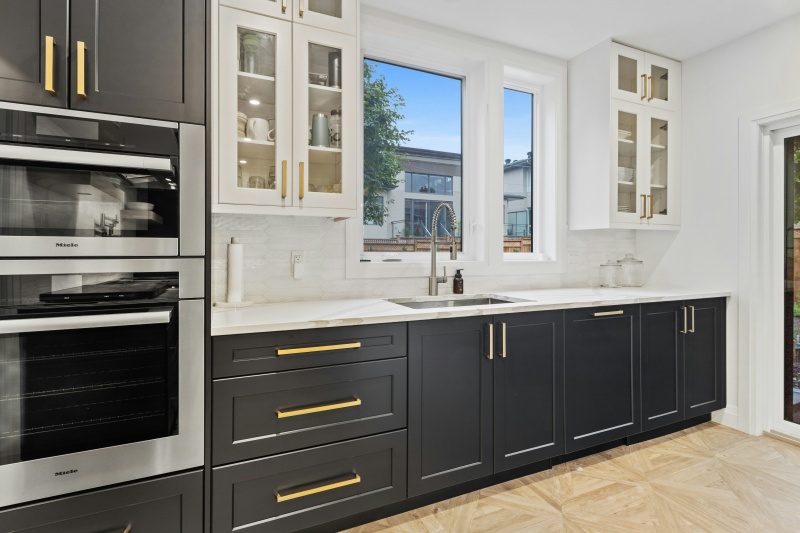
Shaker Cabinets: Require More Maintenance
Thanks to their recessed panel design, the frame and center panel create narrow grooves and shadow areas where dust, oil, and crumbs tend to build up. This is especially true for cabinets near the cooking range, which need extra cleaning with a small brush or cloth to keep the gaps tidy. While not difficult to maintain, they do require more effort than flat panel doors.
Cost Comparison
The prices of flat panel and Shaker cabinets are affected by materials, finishes, and custom craftsmanship. As a Vietnam-based cabinet wholesaler, Union Wood offers a wide selection of wood types, finishes, and customization options.
Flat Panel Doors:
Higher cost-performance ratio. Made from a single solid panel with simple production and lower labor costs. Both standard and custom versions are more affordable. High-end solid wood flat-panel cabinets carry a higher price tag, while entry-level options are budget-friendly.
Shaker Doors:
Mid to high-end pricing. The frame-and-center panel assembly requires more time and higher labor costs. Solid wood Shaker cabinets are considered premium products, while plywood and MDF versions are more budget-friendly.
Overall: With the same material and paint finish, Shaker cabinets are more expensive than flat-panel cabinets. For projects with a limited budget, flat-panel doors are the more economical choice.
Hardware Matching & Customization Flexibility
Cabinet hardware influences both the appearance and style of cabinets. The two door types have different priorities when it comes to compatible hardware:
Slab Cabinet Doors
Ideal for minimalist hardware – slim handles, concealed pulls, push-to-open systems, or even handleless designs with beveled door edges for easy opening and closing.Black, brass, chrome, and other metallic finishes enhance the modern aesthetic.
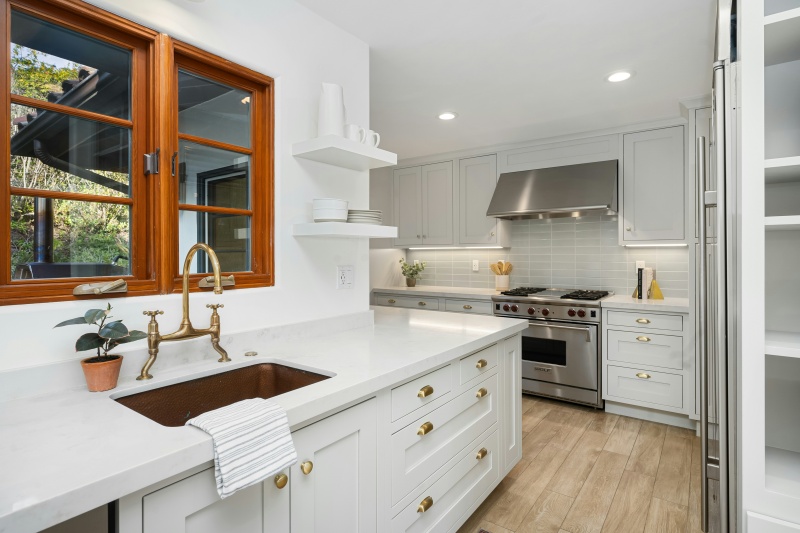
Shaker Cabinet Doors
Highly versatile with hardware – compatible with vintage knobs, long pulls, cup pulls, and more.The outer frame naturally creates a defined area for hardware placement, making future replacements simple and hassle-free.
Both door types support various finishes, including painted, UV coated, melamine, and thermofoil. Slab doors highlight solid-color smoothness, while Shaker doors better emphasize wood grain texture and layered depth.
Quick Decision Guide: Which One to Choose?
After understanding the differences between flat panel and Shaker cabinets, if you’re still unsure, you can use this checklist to quickly decide the best style for your home:
Choose Flat Panel Cabinets if you:
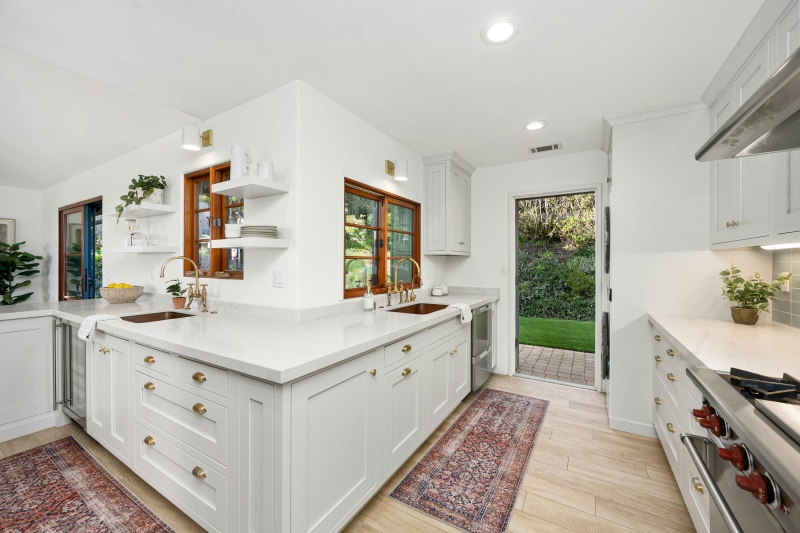
Choose Shaker Cabinets if you:
Final Note
Both flat panel and Shaker cabinets are classic and practical options; they simply suit different aesthetic preferences and lifestyles.
Our professional design team will recommend the best kitchen cabinets based on your habits and preferences. In addition to flat panel and Shaker cabinets, we also offer a wide range of popular cabinet styles for you to choose from.


 Newsletter
 Español
 IPv6 network supported