
What Are You Looking For?
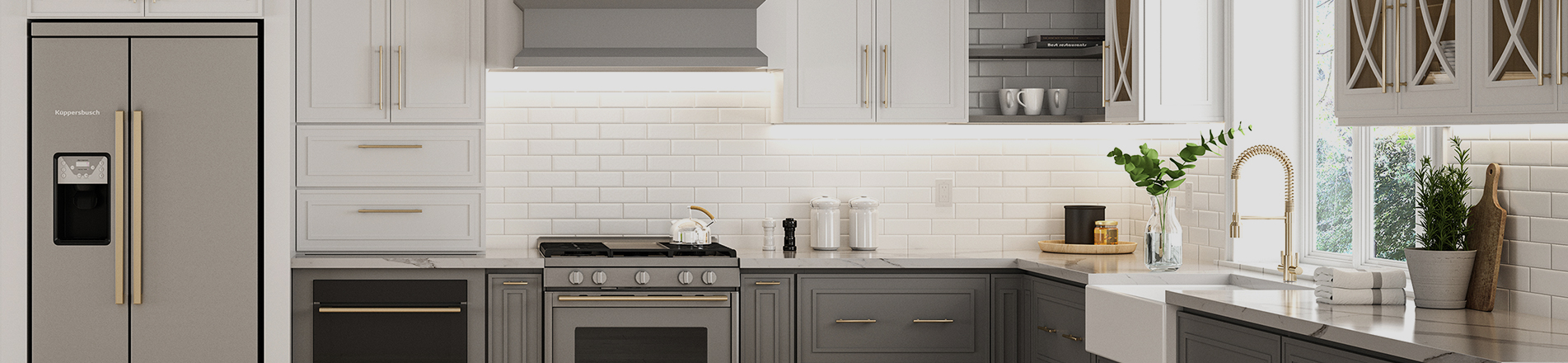
Cabinetry lies at the heart of residential interior design. Whether it is kitchen cabinets, living‑room display cabinets or bedroom wardrobes, cabinets occupy a large portion of a home’s visual area and deliver vital household‑storage functions. Nonetheless, many homeowners end up with poorly‑executed cabinet finishes. Poor‑quality panels are not the only cause; other missteps stem from overlooked proportional logic, mismatched‑material rules, dated decorative profiles and neglect of fine‑detail aesthetics.
Numerous seemingly trendy cabinet designs develop issues after move‑in: outdated styling, difficult maintenance, visual clutter and awkward usability. Therefore, we address these frequent cabinet‑decor mistakes with targeted solutions to help homeowners avoid renovation pitfalls and build visually pleasing, functional and high‑end cabinet spaces.
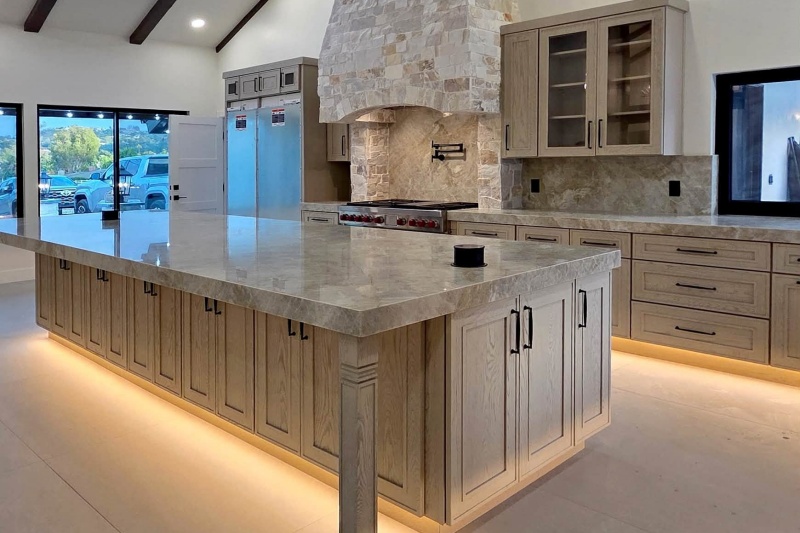
Mistake 1: Blind Matching of Colors and Materials
Color and material form the foundation of cabinet aesthetics and are among the most casually mishandled elements in home renovations. Most homeowners select cabinet colorways based on momentary preference rather than weighing overall spatial tone, lighting conditions and physical material properties. The end result is cabinets that feel cheap in texture, stylistically disjointed and prone to wear‑and‑tear — compromising spatial quality and shortening cabinet service life.
Detailed Problem Breakdown
1. Over‑the‑top saturated color blocking and jarring color shifts. Many homeowners pursue individuality by applying multi‑color splicing and random color‑block layouts to cabinetry. Per interior‑color‑design principles, a space should feature no more than three dominant hues. Harsh color transitions break visual unity, create clutter and make cabinets look fragmented and unrefined. For small‑to‑medium‑sized homes especially, busy color schemes visually shrink rooms and foster cramped, disorganized living environments.
2. Misapplication of all‑white and all‑black cabinets. All‑white painted cabinets remain popular, yet standard white‑paint and matte‑white panels easily yellow and oxidize under prolonged light exposure and kitchen‑grease buildup. Routine cleaning cannot reverse this aging discoloration, leaving the whole space dull and worn. All‑black cabinets demand extremely thoughtful design and environmental conditions. Their finishes are delicate; high‑contact areas such as door edges and handle bases are prone to dents and scratches, which stand out sharply against black backgrounds. Cabinets can look worn‑out within just a few months.
3. Chaotic mixing of material textures. Combining high‑gloss, matte, wood‑grain and metallic textures within one cabinet set is a classic amateur‑renovation error. These textures differ drastically in reflectivity and visual weight. They destroy layering and premium appeal, yielding disjointed, messy overall styling.
Solutions for Color‑and‑Material‑Matching Errors
Follow the rule: unified primary color accented by low‑saturation secondary tones. Apply one primary color across cabinet doors, side panels and trim pieces throughout the home to achieve cohesive, clean cabinet visuals. Where tonal variety is desired, opt for mixed‑color wood kitchen cabinets with two tones. Keep material consistency; pair neutrals with other hues to minimize risk, and avoid high‑contrast color blocking.
Select materials tailored to each space: For kitchen cabinets, use yellow‑resistant matte‑white panels and grease‑tolerant warm‑gray panels instead of high‑gloss pure‑white paint. Homeowners preferring black cabinetry should prioritize scratch‑resistant black‑wood‑grain or matte‑black decorative panels to conceal scratches. Unify texture throughout each cabinet unit. Accent with limited metal or glass elements that align with overall lighting and texture for visual harmony.
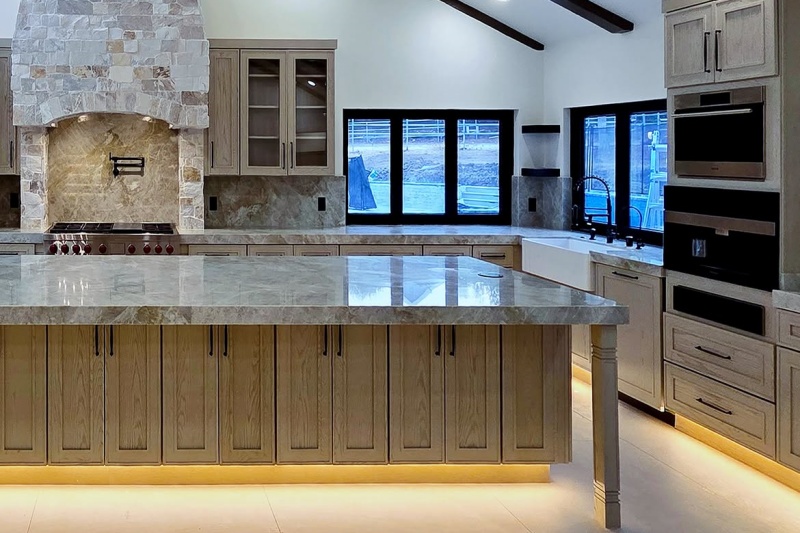
Mistake 2: Over‑Elaborate and Dated Door Profiles
Against the mainstream trend of minimalist home design, ornate cabinet‑door profiles have become outdated renovation traps. Chasing perceived “design flair”, many homeowners pile on irregular door panels, recessed grooves and curved shapes. These choices date the space and create long‑term maintenance headaches.
Detailed Problem Breakdown
1. Gothic‑style arched cabinet doors. These curved‑top profiles popular in the 1980s and 1990s clash with modern aesthetics. Worse, arched upper sections create shadow‑prone dead zones that look dusty even when spotlessly cleaned. Recesses and curved gaps trap dust, grease and debris that regular cleaning tools cannot fully reach, allowing grime to accumulate over time.
2. Excessive layering and grooved detailing. Multi‑level raised‑and‑recessed door surfaces and dense carved grooves may appear refined, yet they contradict modern‑design principles of clean lines. Complex reliefs increase visual complexity, making cabinets look bulky and inexpensive. Grooves naturally collect dust and greatly raise routine‑cleaning workloads.
Solutions for Dated Door‑Profile Issues
Center cabinet design on clean, straight‑line minimalism. Choose European flat‑panel kitchen cabinets, slim shaker, and full overlay Shaker plywood‑framed kitchen cabinets for crisp, streamlined door surfaces. Fully discard arched doors, dense grooves and ornate carvings.
To elevate design quality without complex profiles, use ultra‑narrow metal edge banding, concealed LED light strips and partial glass‑door sections. These touches boost perceived luxury without adding cleaning burdens or visual clutter, balancing aesthetics and practicality.
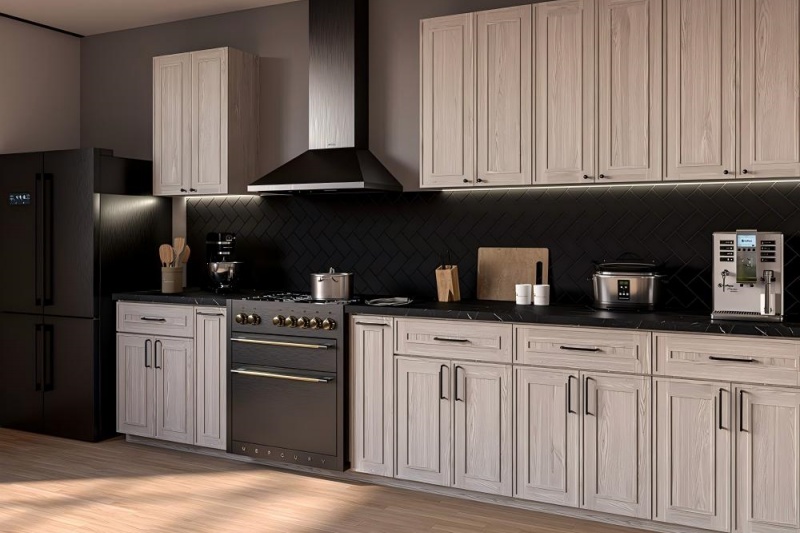
Mistake 3: Poor Selection of Hardware and Handles
Hardware and handles are tiny yet critical cabinet‑renovation details. Many homeowners invest heavily in cabinet panels and profiles but overlook supporting hardware. The result is jarring “premium‑cabinet‑plus‑low‑end‑details” aesthetics that downgrade overall renovation quality, shorten service life and impair user experience.
Detailed Problem Breakdown
1. Ornamental yet impractical handles. Hand‑painted ceramic knobs, heavily carved sculpted pulls and oversized artistic handles are common pitfalls. They prioritize appearance over function: ceramic‑knob glazes and decorative layers chip and scratch with repeated friction, deteriorating within months. Protruding‑style handles pose collision risks during movement and item retrieval.
2. Blind adoption of handle‑less designs. Many homeowners associate handle‑less cabinets with high‑end style and install push‑to‑open latches on every door. However, professional data shows push‑to‑open latches have limited service life; they frequently malfunction and jam after 1‑2 years of use. Furthermore, an all‑handle‑less layout makes door‑opening directions hard to identify, hurting daily convenience.
3. Low‑quality core hardware including hinges and slides. Inferior hardware rusts and loosens under moisture and load. Consequences include sagging cabinet doors, uneven gaps, sticking drawers and wobbly assemblies, ruining both cabinet function and visual neatness.
Solutions for Improper‑Hardware Selection
Adopt handle‑selection principles: minimalist, durable, low‑profile and visually integrated. For most residential settings, prefer ultra‑thin concealed pulls, straight aluminum pulls and recessed embedded pulls. Match hardware styling to cabinet lines for safe, wear‑resistant and timeless performance.
Plan handle‑less layouts rationally: Reserve push‑to‑open latches only for rarely‑used upper cabinets and display cabinets. Keep subtle concealed pulls on frequently‑used base cabinets and drawers to balance beauty and utility. Specify brand‑name heavy‑gauge hinges and soft‑close silent slides for reliable long‑term cabinet performance.
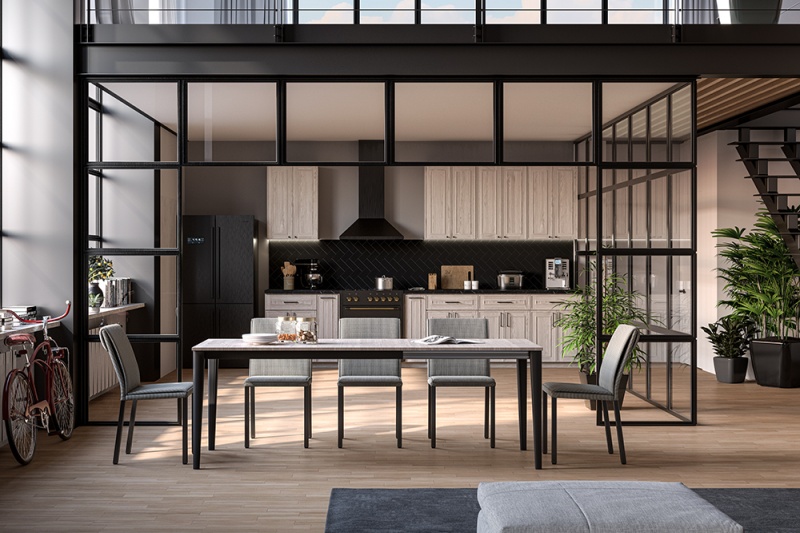
Mistake 4: Unreasonable Spatial Proportions and Installation Dimensions
Cabinet installation is a systematic discipline balancing aesthetics and ergonomics. Many renovation failures stem from non‑standard installation measurements and distorted spatial proportions, leading to visually unbalanced cabinets and poor user experience.
Detailed Problem Breakdown
Per NKBA (National Kitchen & Bath Association) design standards, strict specifications govern cabinet‑mounting clearances and dimensions. Many residential installations deviate significantly. A widespread error is excessive clearance between wall cabinets and countertops. The standard gap is 45 cm, yet many installers set it at 60 cm. This leaves excessive bare wall space, disconnects upper and lower cabinetry, destroys spatial layering and reduces upper‑cabinet usable storage capacity.
A second proportional flaw is illogical door‑width segmentation. Arbitrary single‑/double‑door sizing, inconsistent door widths and disorganized cabinet partitioning break clean rectangular cabinet proportions, creating visual imbalance and disorder. For full‑wall custom cabinetry, chaotic partitioning directly diminishes perceived luxury.
Over‑deep wall cabinets represent another frequent practical mistake. Over‑deep upper cabinets overhang countertops, block natural light, create shadowed zones, hinder item access and waste cabinet capacity.
Solutions for Poor Spatial Proportions
Strictly follow NKBA ergonomic dimensional standards: Maintain a fixed 45‑cm gap between kitchen wall cabinets and countertops. Standard wall‑cabinet height ranges from 70‑80 cm with depth of 30‑35 cm to avoid light obstruction and workflow interference. Extend full‑wall cabinets to ceiling height; match trim‑panel color to door panels for complete, unified cabinet volumes.
Standardize door‑segmentation ratios: Apply equal‑width or golden‑ratio division to ensure consistent door dimensions. Avoid random‑size variations to preserve cabinet integrity and visual order.
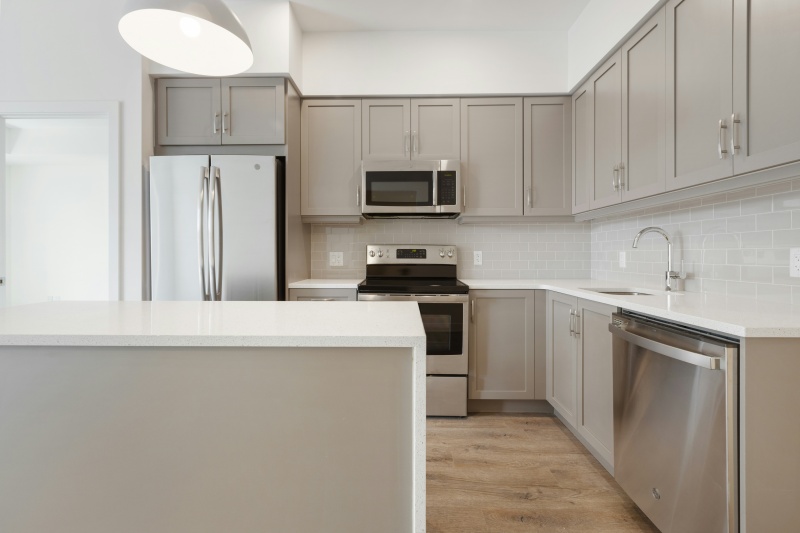
Mistake 5: Excessive Open‑Shelf and Glass‑Door Layouts
Open shelving and glass‑door cabinets are treated by many homeowners as premium‑design templates, yet they often become major sources of household visual clutter in real‑life settings. The root issue is confusing the functional goals of decorative display units versus practical storage cabinets.
Detailed Problem Breakdown
Open cabinets offer zero concealed storage; daily clutter, tableware, books and decor sit fully exposed. Poor daily tidying results in persistent mess. In households with children especially, open shelves easily collect random items with nowhere to hide disarray, ruining overall spatial aesthetics.
Clear‑glass‑door cabinets create identical problems. Homeowners often store everyday miscellaneous items and irregular‑shaped household goods behind glass, leaving messy interiors fully visible and giving cabinets a cheap, untidy look. Standard clear glass also reflects light and shows fingerprints, demanding frequent cleaning and raising maintenance costs.
Too many open‑shelf sections fragment cabinets into small compartments with limited storage versatility. Bulky items cannot fit, and overall space utilization drops sharply.
Solutions for Poor Layout Planning
Follow the layout principle: concealed‑storage‑first, decorative‑display‑secondary. Fit fully closed doors across functional‑storage zones to hide everyday clutter and sustain spatial neatness.
Limit open‑shelf and glass‑door sections to visual focal points only, occupying no more than 20 % of total cabinet area. Replace clear glass with frosted glass to reduce transparency and mask minor disarray. Fill display zones with neatly arranged decor, monochromatic tableware and books to maintain tidy presentations and elevate spatial quality.
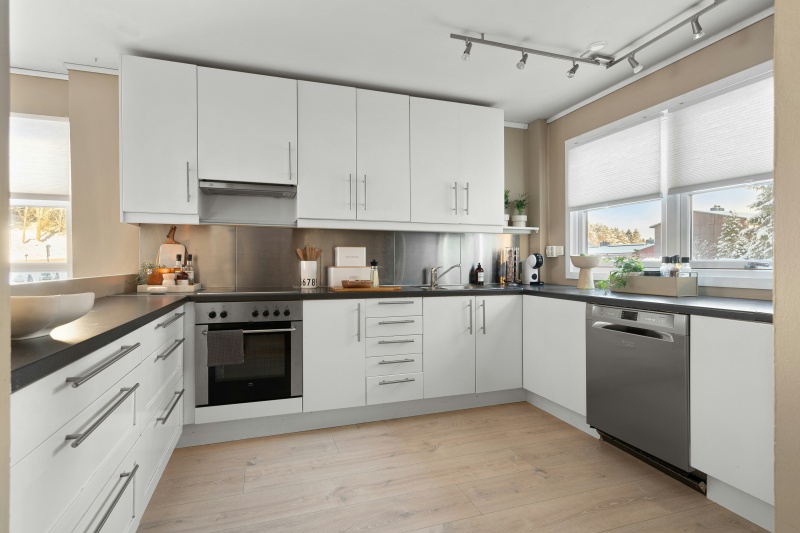
Summary of Common Cabinet‑Decor Mistakes
Great cabinetry is never about stacking flashy features. It balances aesthetic unity, ergonomic practicality, long‑term durability and ease of maintenance. Most common cabinet‑decor mistakes boil down to prioritizing short‑lived trends over long‑term living experience, and prioritizing local visual appeal over holistic spatial logic.
Custom cabinet projects should always center on “minimalist unity, practical durability”. Adhere to professional proportional rules and material‑matching guidelines, and discard ostentatious redundant designs. Cabinets should become an attractive, comfortable and functional asset for your home — not a renovation burden prone to obsolescence and difficult upkeep. If you remain unsure how to implement these principles, the professional‑design team at Union Woods delivers cabinet solutions tailored for large‑scale projects, helping you reliably avoid pitfalls and realize your ideal living space.


 Newsletter
 Español
 IPv6 network supported