
What Are You Looking For?
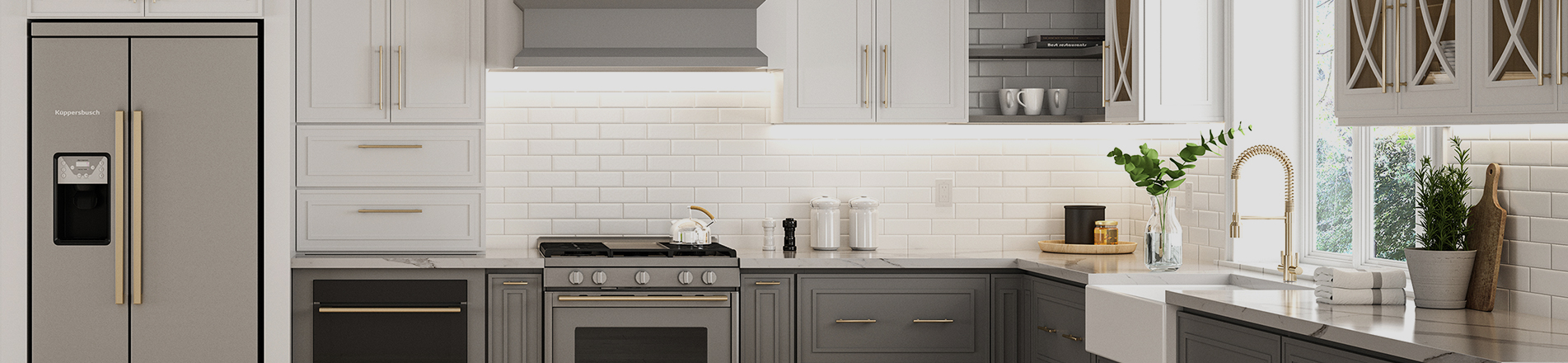
Choosing the right cabinet color is critical for kitchen renovations. Lighter finishes tend to show dirt easily, while deep shades risk making the space feel dark and confining. Niche colors run the risk of falling out of style, and popular trends can result in over‑used, unoriginal looks. Many homeowners therefore struggle to select truly timeless cabinet colors. Wall tiles and decorative accessories can be updated as styles evolve, yet cabinetry represents a long‑term home investment. It must endure one, two or even three decades of shifting design trends, resist everyday wear‑and‑tear, and retain its property value.
A well‑chosen cabinet stain elevates the overall aesthetic of a kitchen and boosts living comfort. Among all cabinet finishing options, wood stain stands out for organic texture, visual depth and character that matures over time. Still, not all stained cabinets age gracefully. Highly saturated, trend‑driven stains quickly become dated. Timeless stain finishes balance texture, warmth and dimension to work harmoniously across successive design eras. That brings us back to the core question: What color stain is timeless for kitchen cabinets?
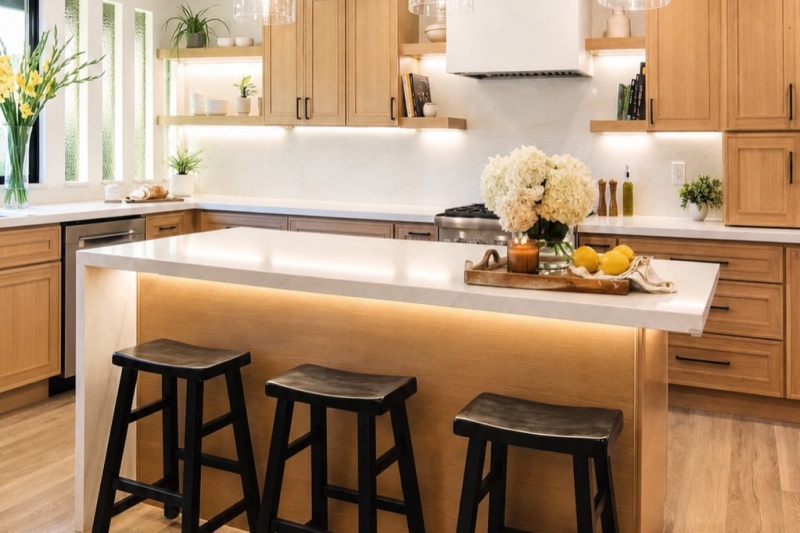
What Defines a Timeless Cabinet Stain?
Before reviewing specific colors, we need to define what constitutes a truly timeless cabinet stain from the perspective of interior design and building materials. Timeless neutrals are not simple flat solid colors; they must meet clear criteria that separate long‑lived finishes from short‑lived trendy options.
1. Balanced undertones: Avoid heavy, saturated undertones such as bright orange or deep red. Such strong color biases lock interiors to a specific era. For example, the once‑popular orange‑toned oak of the 1990s aged poorly precisely because its fixed undertones clashed with later‑generation design palettes. Timeless stains feature soft, balanced undertones and deliver genuine neutrality under varied lighting.
2. Preservation of natural wood grain: High‑quality timeless stains are translucent enough to reveal natural wood grain. Unlike fully opaque paint or heavy solid‑color stains that conceal the wood’s inherent character, finishes for wood grain stained flat‑panel kitchen cabinets highlight organic depth — a premium quality that never goes out of fashion.
3. Broad design compatibility: They integrate seamlessly with transitional, traditional American, modern farmhouse, Scandinavian and minimalist kitchen styles. Full‑scale renovation is unnecessary; updating hardware, countertops or wall colors alone can refresh the whole room.
4. Durability and resale value: Compared with bright white or ultra‑light cabinet finishes, timeless stains better hide everyday marks including fingerprints, minor scuffs and water spots. Real‑estate data also shows neutral wood finishes hold strong resale appeal, resonating with the preferences of most prospective homebuyers.
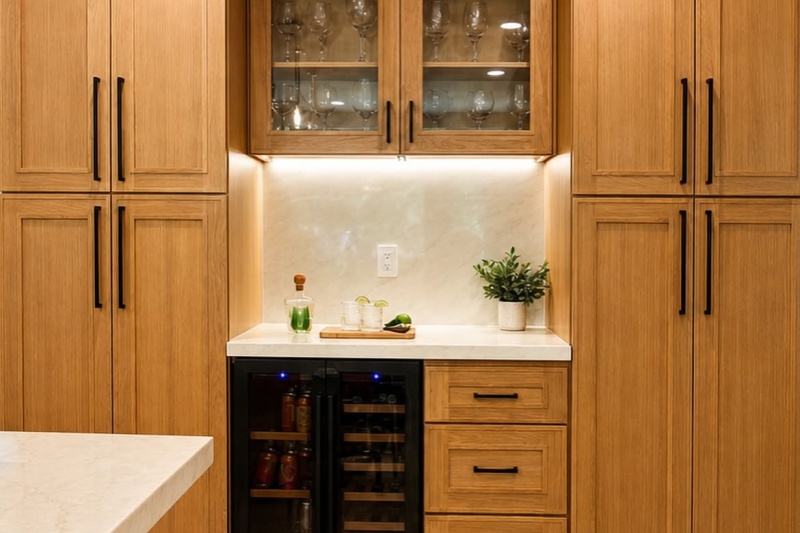
Timeless Cabinet Stain Options
Drawing on decades of kitchen design evolution, leading cabinet‑manufacturer standards and extensive project case studies, several stain options stand out for exceptional longevity and versatility. These are not short‑lived 2026 trends but permanent staples in cabinet design.
1. True Neutral Medium Brown (Undertone‑Free Classic Brown)
True neutral medium brown sets the gold standard for cabinet staining. Free of dominant red, orange, yellow or gray undertones, it qualifies as a modern‑era permanent neutral. It delivers grounded, mellow character without vintage heaviness or forced trendy styling, suiting every home‑remodel cycle.
Advantages: It resolves the common pitfall of dated brown cabinets — old‑fashioned red‑orange undertones. Its well‑balanced saturation creates a sophisticated backdrop compatible with countertop materials including quartz, marble, granite and solid wood, as well as all backsplash tile styles. Color remains consistent under both natural daylight and warm/cool artificial lighting.
Compatible wood species: Works beautifully on oak and maple. Light‑toned raw wood takes stain evenly, showcasing the fine grain of white oak and maple. Color consistency is maintained for bulk purchasing without darkening the kitchen.
Compatible styles: Transitional, traditional, modern contemporary and farmhouse. Maple‑stained Shaker plywood framed kitchen cabinets in this stain are uniquely capable of bridging formal upscale and casual home atmospheres, with panel profiles that remain stylish year after year.
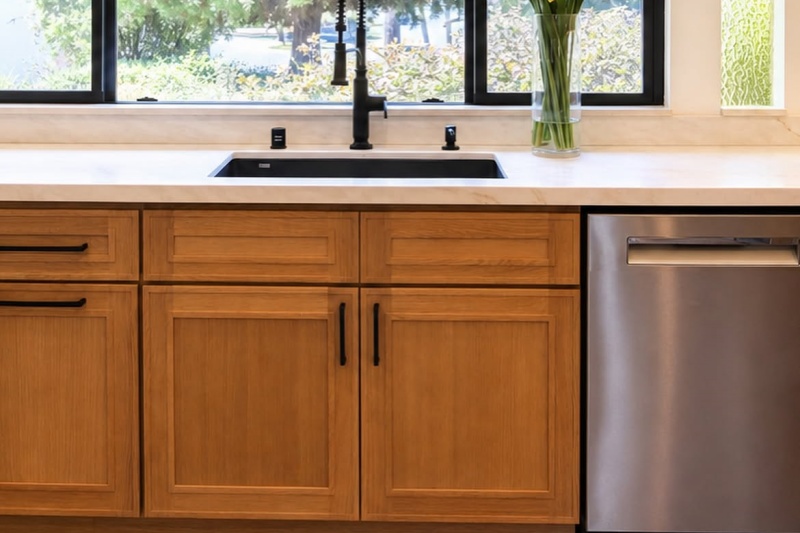
2. Warm Walnut (Warm Balanced Tan‑Brown)
Warm walnut is a sun‑kissed soft neutral sitting between pale honey maple and deep chestnut brown. Subtle muted reddish‑brown undertones add gentle natural warmth without feeling heavy or old‑fashioned. Long respected among custom woodworking professionals, it has remained a top homeowner choice for twenty‑plus years.
Advantages: Distinct from the heavily yellow‑hued honey oak popular in the 1980s‑90s, modern warm walnut features lower saturation and greater clarity. It brightens dim kitchens while avoiding washed‑out harshness in bright rooms, generating relaxed upscale domestic charm. Compared with lighter stains, walnut stain double Shaker wood kitchen cabinets mask minor scratches and dust and offer greater real‑world forgiving maintenance.
Lighting performance: Ideal for north‑facing kitchens with limited natural light; subtle warm undertones offset cool shadowy conditions. In sun‑drenched south‑facing kitchens, it stays balanced without turning brassy‑orange.
Best pairings: Brushed brass, oil‑rubbed bronze and matte‑black hardware; countertops in white, cream and light gray.
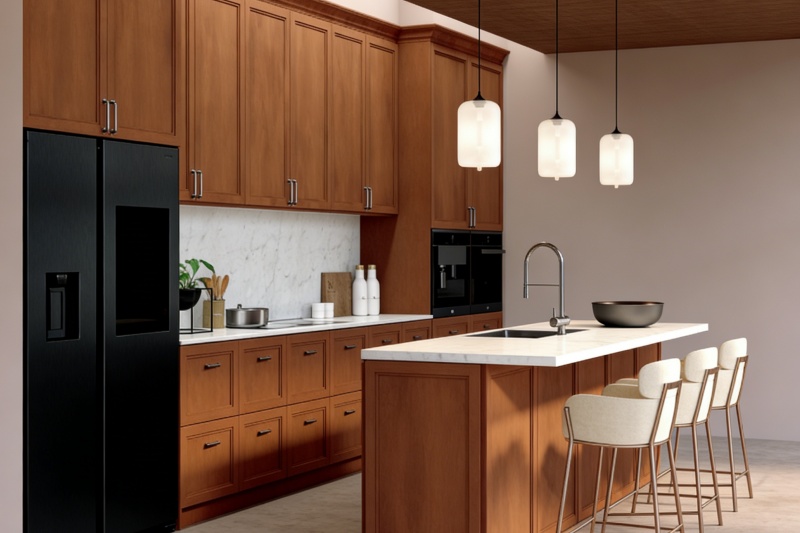
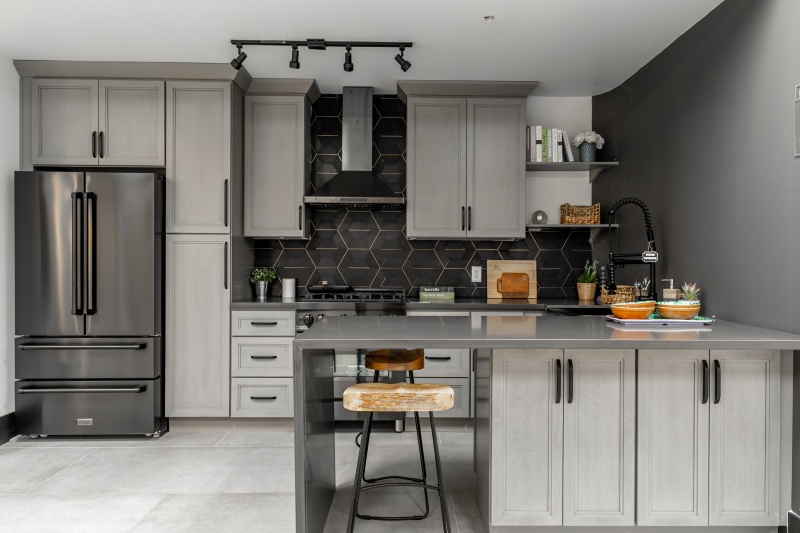
3. Greige (Balanced Gray‑Brown Neutral)
Greige, a blend of gray and beige, ranks among the most versatile timeless modern stains. It combines the crisp refinement of gray with the earthy softness of beige, achieving perfect cool‑warm equilibrium. Gaining mainstream traction around 2010, it has outgrown passing‑trend status to become an enduring classic.
Advantages: Its greatest strength is chameleon‑like adaptability to surrounding finishes. It pairs elegantly with cool marble and stainless‑steel appliances as well as warm cream walls and hardwood floors. Unlike flat cool gray which can read cold and cheap, greige preserves wood’s innate organic warmth for sophisticated, approachable results.
Compatible wood species: White oak and maple yield the best results, accentuating fine grain depth and dimensionality. Cherry wood with strong red undertones is not recommended, as clashing color shifts can occur.
Compatible styles: Modern industrial, Scandinavian, Japandi minimalist, soft contemporary and upscale minimalist kitchens.
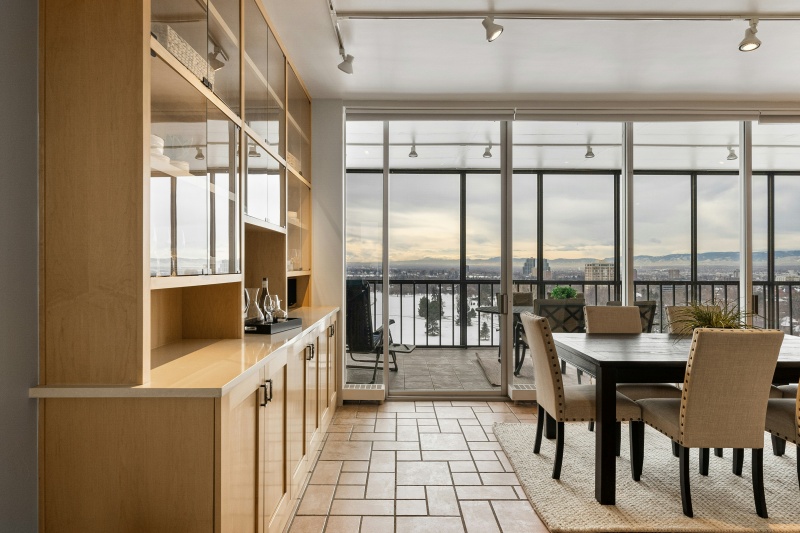
4. Soft Natural Honey Oak (Muted Modern Honey Tone)
Modern muted honey oak is a refined update of vintage honey oak, eliminating harsh orange undertones. Natural white oak kitchen cabinets finished in this stain exhibit soft sunlit light‑brown hues with beige leanings and restrained saturation, prioritizing authentic wood character. 2026 interior‑design reports note muted light‑wood finishes have re‑emerged as timeless kitchen staples valued for calming natural ambiance.
Advantages: It maximizes natural‑light reflection to visually expand compact kitchens. It ages gracefully: gentle patina develops over sun exposure without uneven fading or yellowing. It is highly adaptable, so updated decor and hardware integrate smoothly later on.
Key distinction from vintage honey oak: Contemporary muted honey finishes remove the bold orange‑yellow undertones emblematic of 1990s cabinetry. Retaining much of white oak’s native character, it resists looking dated for decades.
Stain Finishes to Avoid for Long‑Term Cabinetry
To build a future‑proof kitchen, steer clear of era‑locked trendy colors. Though appealing initially, these often lead to quick fatigue. Avoid the following for long‑term installations:
1. Deep Espresso & Jet Black: While dark wood delivers short‑term luxury appeal, heavily saturated deep brown and black absorb natural light and create gloomy kitchens, looking dated within 5‑8 years. Dust, fingerprints and water marks show prominently, raising ongoing maintenance demands.
2. High‑Orange Honey Oak & Red Chestnut: Strong orange and red undertones carry powerful period associations, firmly anchoring kitchens to the 1990s and early 2000s. No amount of decor updating can neutralize their dated impression.
3. Flat Cool Gray: Devoid of warm undertones, flat cool gray lacks depth. A major 2010s trend, it now reads sterile and flat, misaligned with today’s prevailing organic, warm‑home design philosophy.
Tips for Timeless‑Looking Stained Cabinets
Great color selection alone cannot guarantee lasting beauty; professional finishing technique determines durability and consistent tone. Union Woods’ Vietnam‑based factory produces quality stained cabinetry available at wholesale pricing.
1. Wood conditioner is mandatory: Porous woods such as oak and maple require premium wood conditioner prior to staining. This prevents blotchy, uneven color absorption and maintains uniform tone through years of service.
2. Use only matte or satin topcoats: Avoid high‑gloss clear coats. Glossy surfaces show scratches prominently and create cheap plastic‑like aesthetics. Matte and satin polyurethane topcoats retain natural wood grain, delivering water resistance, scuff resistance and UV stability, sustaining soft premium luster for decades.
3. Coordinate undertones between cabinets and flooring: A frequent design mistake is clashing cabinet‑floor undertones. Timeless design relies on tonal harmony: warm walnut or medium‑brown cabinets pair with warm hardwood floors; greige and mushroom‑taupe work with neutral hardwood or tile.
4. Future‑proof with classic hardware: Select hardware in enduring finishes: matte black, oil‑rubbed bronze, brushed nickel and polished chrome. Pass‑trend finishes like rose gold or copper should be avoided. Classic hardware evolves seamlessly alongside decor changes, keeping stained cabinets endlessly adaptable.
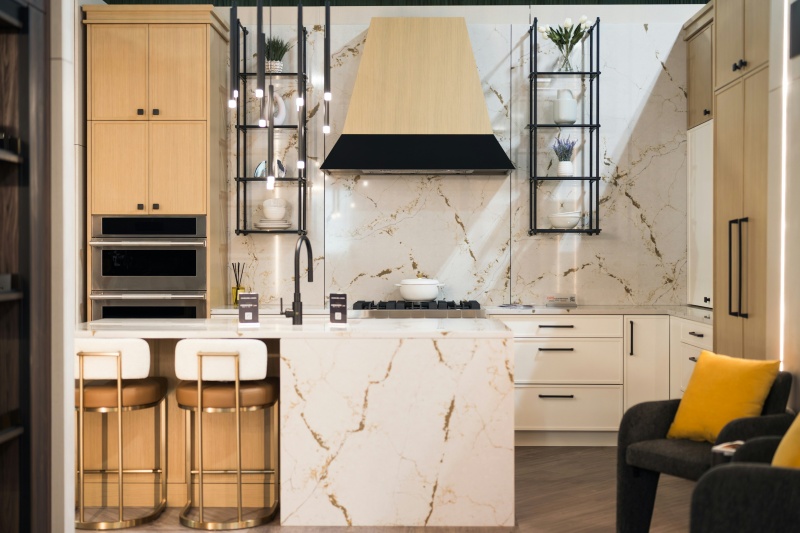
Final Conclusion: Timeless Stain Choices for Kitchen Cabinets
In summary, truly timeless cabinet stains that transcend shifting design fashions are not flashy trending colors, but balanced‑undertone neutral wood tones with authentic character and wide‑ranging compatibility. True neutral medium brown, soft warm walnut, versatile greige and muted natural honey oak deliver consistent visual performance, broad spatial adaptability and proven long‑term real‑world results, cementing their position as fail‑safe selections in residential design.
Choosing these classic stains preserves the premium natural grain of wood cabinetry, suits diverse interior styles, floor‑plans and lighting conditions, and keeps kitchens sophisticated without frequent renovations. One thoughtful material selection delivers enduring beauty, embodying the lasting appeal of timeless home design.


 Newsletter
 Español
 IPv6 network supported