
What Are You Looking For?
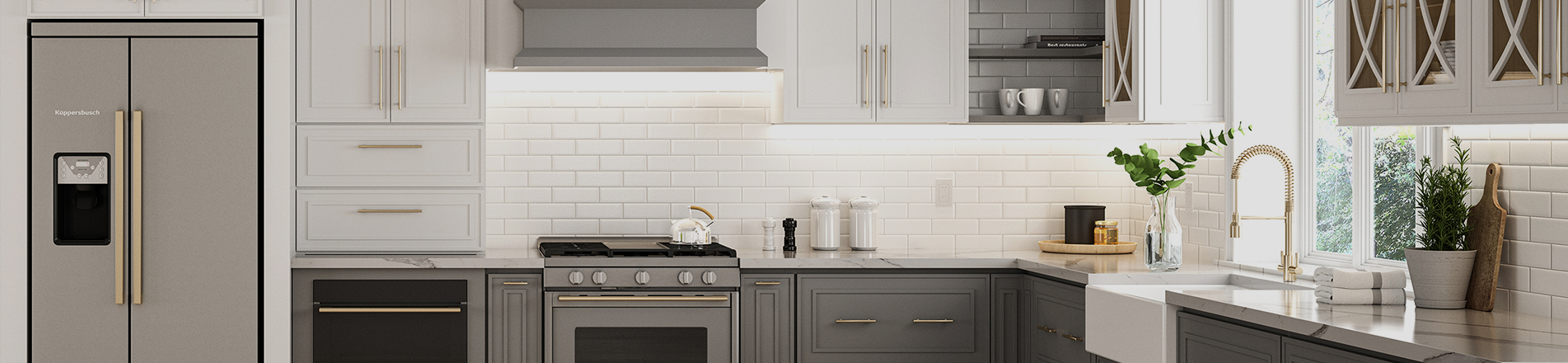
When shopping for cabinets, bathroom vanities and wooden furniture, you have a wide range of wood options. Popular solid hardwoods include oak, birch and rubber wood, while engineered wood panels are also widely used. Many people mistakenly treat engineered wood as a single material, but it is an umbrella term covering plywood, MDF and particle board. Rubber wood, by contrast, is a solid hardwood harvested from mature rubber trees once their latex production cycle ends.
So which is better: rubber wood or engineered wood? There is no universal winner. The ideal choice depends on your project budget, operating environment, finishing requirements, load-bearing needs and long-term durability. Below is an analysis of material properties, pros & cons and suitable applications to clarify the strengths of rubber wood and engineered wood respectively.
Material Definition & Manufacturing Process
Rubber Wood
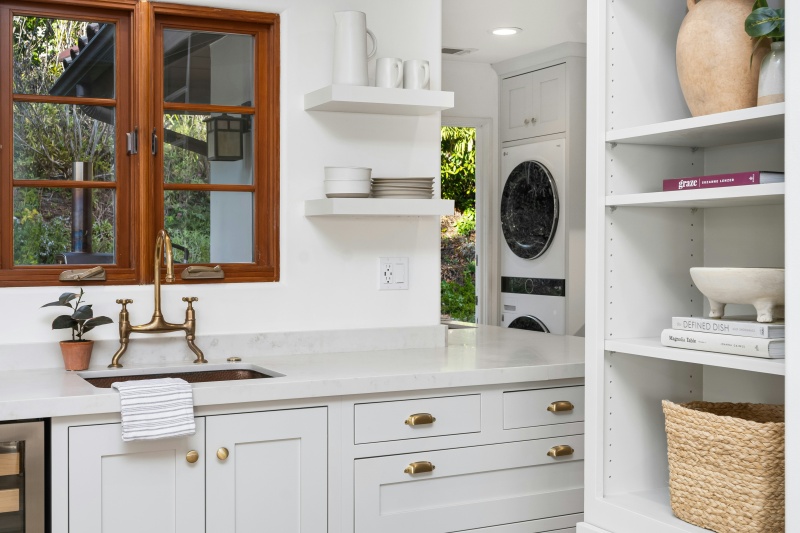
Rubber wood is a sustainable hardwood sourced from rubber plantations. After 25–30 years of latex tapping, rubber trees yield sharply reduced latex volumes and are then harvested for timber.
Engineered Wood
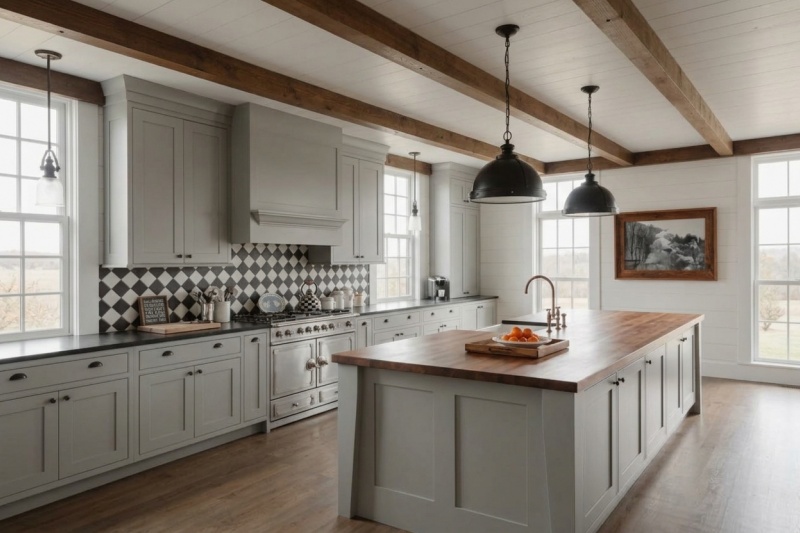
Engineered wood is a composite material made by bonding wood veneers, wood fibers, wood flakes or wood chips with resin adhesive under high heat and pressure. It falls into three primary categories based on structure and raw materials:
Core distinction: Rubber wood = solid hardwood; engineered wood = man-made composite panel manufactured from wood fragments, without the inherent natural characteristics of solid timber.
Technical Performance Comparison Table
| Evaluation Criteria | Rubber Wood (Finger-Jointed Solid Wood) | Engineered Wood (Plywood) | Engineered Wood (MDF) | Engineered Wood (Particle Board) |
| Stability & Warping Risk | Moderate. Natural timber expands and contracts with humidity fluctuations. Kiln drying reduces deformation. | Excellent stability; cross-laminated grain counteracts swelling and shrinkage. | Dimensionally stable, yet suffers irreversible swelling once fully soaked in water. | Poor moisture resistance; rapid swelling on water exposure. |
| Strength & Screw Holding Power | Excellent. Outstanding screw retention, suitable for heavy-duty cabinet doors, fireplace mantels and load-bearing frames. | Good screw holding capacity. | Fair; screws easily strip when over-tightened. | Poor; repeated screw assembly and disassembly damages the panel core. |
| Paint, Stain & Finishing Performance | Superior. Accepts stains to showcase natural grain, compatible with clear coat, solid-color paint and UV coating; delivers authentic natural wood texture. | Veneered plywood can be painted and stained directly for premium finish results. | Exceptionally flat surface for uniform paintwork; no natural wood grain show-through. | Primarily designed for melamine or thermofoil wrapping; bare substrate is not recommended for direct staining. |
| Moisture Resistance | Moderate. Usable for bathroom applications with a full sealed finish; unsuitable for continuous splash zones without complete protection. | Cabinet-grade plywood offers reliable moisture resistance. | Standard MDF has weak moisture tolerance; avoid humid areas without full sealing. | Very poor moisture performance; high water absorption and swelling in damp conditions. |
| Material Consistency | Natural variation. Color, grain patterns and minor knots differ between boards. | Not perfectly uniform; tiny voids may exist. | Highly consistent. No natural grain variation; uniform density across the whole sheet. | Generally consistent texture. |
| Machinability | Easy to cut, carve and router; perfect for Shaker doors and raised panel profiles. Slightly faster tool wear. | Stable during sawing, grooving, drilling and edge banding, low chipping risk. | Highest formability for sawing, routing, cutouts, carving and thermoformed profiles. | Suitable for high-volume automated production, prone to chipping during cutting; demands high-quality saws and edgebanders. |
| Environmental & Emission Standards | Natural timber; formaldehyde only comes from finger-joint adhesive. Available with CARB P2, E0 and FSC certifications. | Depends on adhesive quality. Premium plywood meets CARB P2 / E0; low-grade particle board often has elevated formaldehyde emissions. | Top-tier grades use no-added-formaldehyde adhesives with low emission levels. | High-quality particle board complies with environmental standards; budget grades tend to release more formaldehyde. |
| Cost Range | Mid-range. Pricier than particle board and MDF, cheaper than premium solid hardwoods such as oak and maple. | Mid to high-end | Low to mid-range | Most economical option, lowest material cost. |
In-Depth Analysis of Pros & Cons
1. Sustainable raw material: Harvested only after latex production ends, avoiding old-growth deforestation and aligning with green principles.
2. Attractive grain: Delivers genuine solid wood aesthetics. Its pale base color accepts stains easily, achieving premium paint and stained finishes.
3. Moderate weight and good wear resistance: Rubber wood has low-to-medium density. Rubber wood kitchen cabinets are lightweight for handling and assembly, with decent natural wear resistance, making it suitable for frequently used furniture like dining tables and coffee tops.
4. Strong mechanical properties and workability: Ideal for cabinet frames, custom range hood covers and furniture legs. It takes paint and stain well and offers great shaping flexibility.
5. Accessible pricing: Short rotation cycle and abundant supply as a by-product of the rubber tapping industry, making it ideal for buyers seeking solid wood texture on a constrained budget.
1. Inherent hygroscopic movement of natural timber. Minor twisting or cracking may occur under sharp humidity swings.
2. Batch color variation. Natural growth differences lead to inconsistent tones across batches, requiring manual sorting for large-scale commercial projects.
3. Most rubber wood sold is finger-jointed from small lumber cuts, resulting in weaker cross-direction load capacity. Exercise caution when specifying it for large assemblies such as wide framed corner pantry cabinets.
1. Superior dimensional stability, especially plywood. Less prone to expansion, shrinkage and bowing compared with solid rubber wood.
2. Available in large sheet sizes, boosting cutting efficiency for cabinet boxes and cutting waste in mass production.
3. MDF provides a flawless flat substrate for matte painted doors with zero grain telegraphing.
4. Tiered pricing structure covering all budget brackets. Particle board is the dominant substrate for low-cost ready-to-assemble (RTA) cabinets.
5. Free of natural knots and defects, simplifying consistent appearance control in mass manufacturing.
1. Once water penetrates MDF or particle board, irreversible swelling occurs and repair is impossible.
2. Low-density particle board has low internal bonding strength and fails under heavy loads or repeated hardware reinstallation.
3. Cannot be refinished like solid wood. Damaged melamine or thermofoil surfaces are difficult to restore and usually require full replacement.
4. Exposed cut edges are a vulnerability: MDF and particle board cut edges must be fully edge-banded and sealed to block moisture ingress.
Recommended Application Scenarios
Prefer Rubber Wood When:
Prefer Engineered Wood When:
Conclusion
If your priorities are authentic solid wood character, stainable surfaces, high structural strength and repairability, and you can accept minor wood movement and higher material expense, rubber wood is the better selection. It is best specified for cabinet doors and decorative components.
Engineered wood excels in dimensional stability, high-volume sheet processing and cost control for cabinet carcasses. Plywood is the premium engineered option; MDF is the go-to for painted doors; melamine particle board serves low-budget projects within dry spaces.
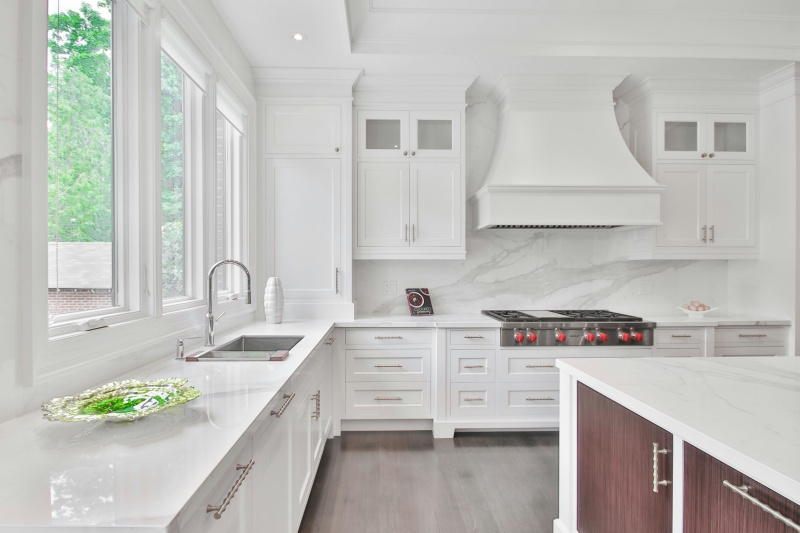
For most cabinet projects, the optimal solution is not an either-or choice: plywood cabinet boxes plus rubber wood solid doors. This combination leverages the stability of engineered wood and the natural visual appeal of rubber wood to strike a balance between performance and value.


 Newsletter
 Español

 IPv6 network supported