
What Are You Looking For?
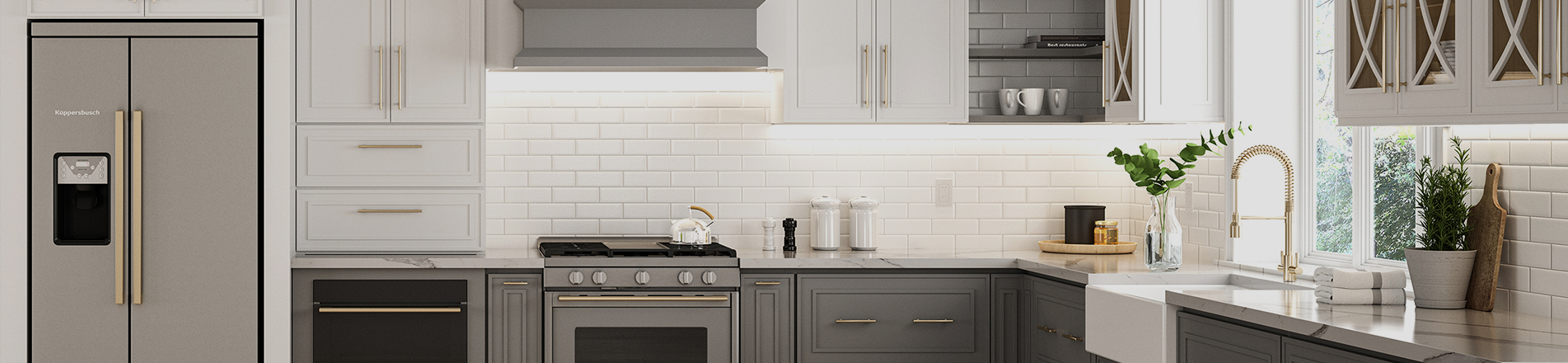
Kitchen cabinets account for 30–40% of the total kitchen renovation budget, representing the single largest expense in kitchen and bath remodeling. For most homeowners, the goal is not ultra-luxury finishes, but long-lasting, stable, good-looking cabinetry with strong value for money. Many low-cost cabinets seem to save money upfront, yet suffer from warped panels, loose hinges, peeling finishes and excessive formaldehyde emissions within just 2–3 years, resulting in replacement costs and potential safety hazards.
Therefore, when selecting cabinets, affordability must go hand in hand with quality. The key to getting the most value is to make informed choices based on cabinet material, manufacturing standards and hardware specifications, ensuring every dollar is well spent.
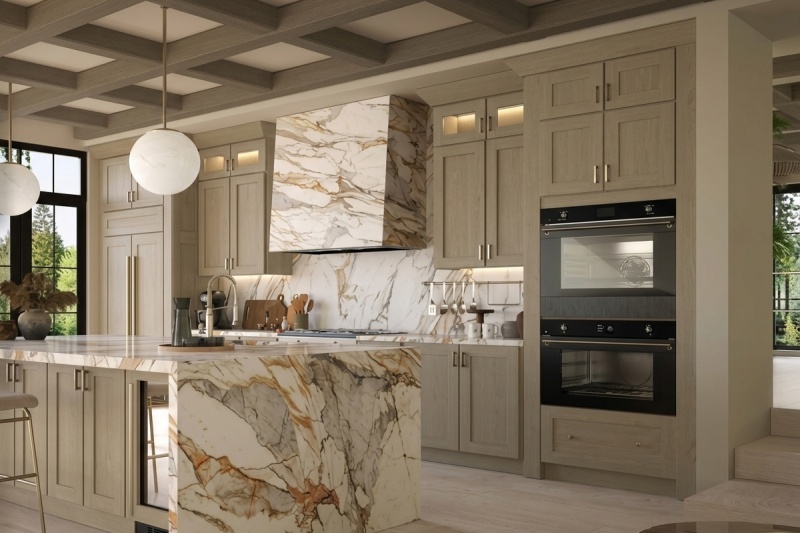
What makes kitchen cabinets worth the investment?
Before shopping for kitchen cabinets, it is critical to define the criteria for cost-effective cabinetry. True value is not equivalent to the lowest price. Instead, it strikes an optimal balance between upfront purchase cost, service life, daily usability and long-term maintenance expenses. Four core evaluation criteria are outlined below:
1. Proven structural durability
Cost-effective kitchen cabinets must withstand daily kitchen humidity and temperature fluctuations, support heavy loads, and resist warping, cracking and loosening. Low-grade cabinets use thin particleboard and non-standard assembly methods, only lasting 3–5 years. Qualified cost-effective plywood kitchen cabinets maintain stable performance for decades and avoid recurring renovation costs.
2. Standardized hardware and functional fittings
Hardware is the "heart" of cabinetry. Soft-close hinges and slides rated for over 100,000 open-close cycles are not premium upgrades, but a fundamental benchmark of value. High-quality hardware reduces noise, prevents door impact damage and minimizes daily wear, directly extending the overall service life of cabinets.
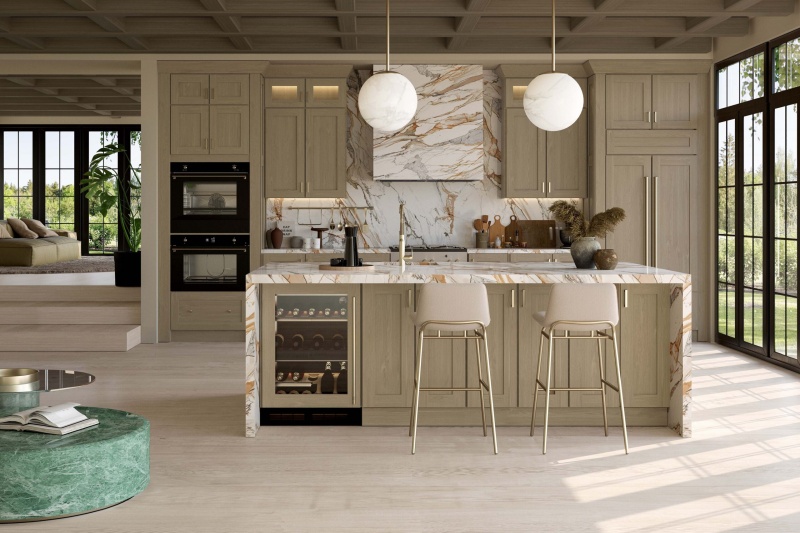
3. Eco-friendly panels and stable finishes
Kitchens are enclosed spaces with elevated temperatures, so cabinet panels must meet formaldehyde emission standards to prevent hazardous gas release. Meanwhile, multi-layer paint or melamine scratch-resistant finishes should be oil-proof, heat-resistant and wear-resistant. Plywood kitchen cabinets with wood grain melamine finishes retain their appearance without fading or peeling after years of use.
4. Low maintenance and comprehensive after-sales support
High-value cabinets should be sturdy and scratch-resistant. They require no special upkeep and maintain performance under high heat and heavy daily kitchen use. Complete warranties and repair services further reduce long-term operating costs and are essential for value assessment. As a Vietnam-based cabinet wholesaler, Union Woods provides full after-sales service for all supplied cabinets to ease customer concerns.
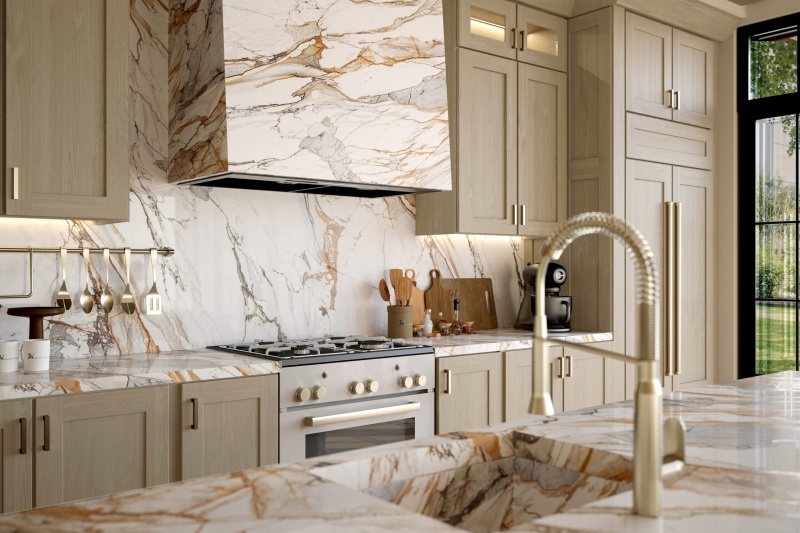
How to select cabinet panels for the best value
Panels determine the base durability and environmental grade of cabinets and are a major driver of price differences. Many suppliers deliberately confuse panel terminology to inflate prices or substitute inferior materials. When shopping for value-driven cabinets, prioritize panel quality and pick the best material based on your needs:
1. Plywood – Top choice for overall value
2. Particleboard – Option for tight budgets
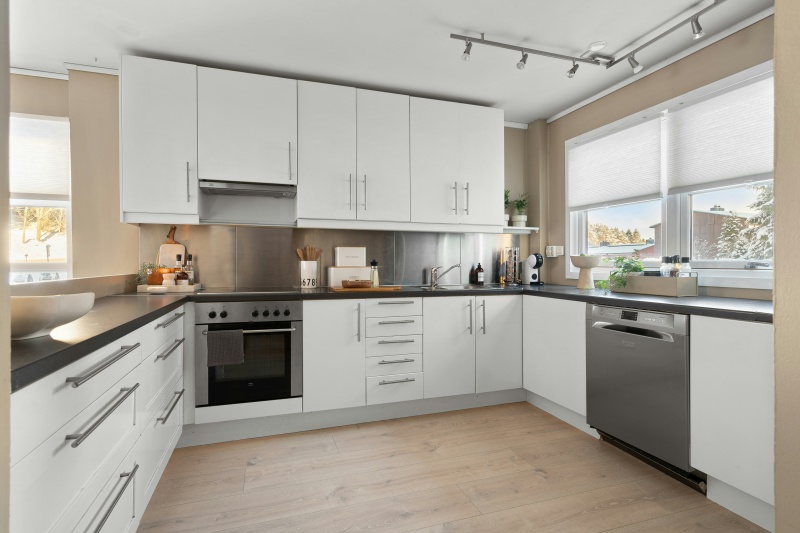
3. Solid wood – Low cost-effectiveness
4. MDF – Limited practical utility
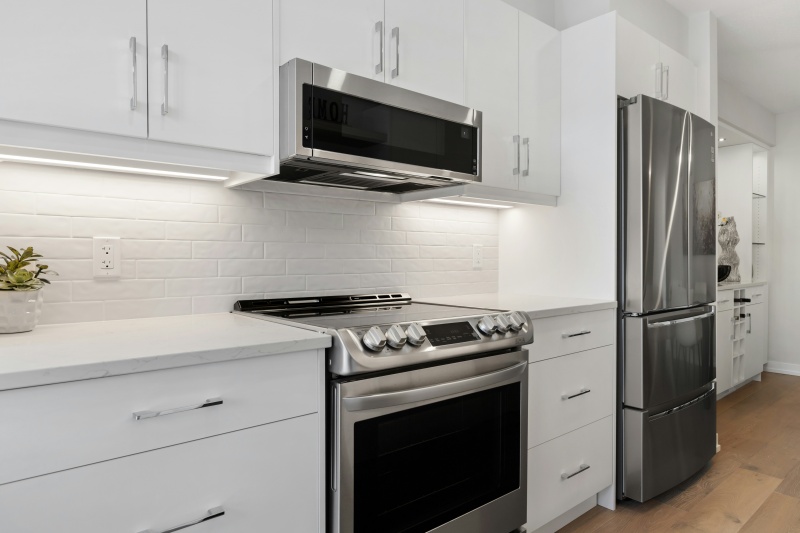
Details of manufacturing and hardware standards
Many buyers focus solely on panels while overlooking construction and hardware. Even premium panels paired with poor workmanship will drastically shorten cabinet lifespan. To guarantee cabinet value, source products from professional cabinet factories with consistent manufacturing and hardware specifications — these details separate high-value cabinetry from cheap inferior goods.
1. Edge banding: Critical for moisture resistance and environmental safety
Edge banding is the core process that prevents panel moisture swelling and formaldehyde release. Our value-focused cabinets manufactured in Vietnam use fully automated laser edge banding, creating tight, gap-free, non-peeling, smooth seams. This fully blocks moisture and air, locking in trace formaldehyde inside panels to sustain long-term environmental safety and structural integrity. Low-grade cabinets use manual EVA edge banding, which readily develops gaps, lifts and delaminates. This causes water damage to panels and continuous formaldehyde emission, shortening cabinet life.
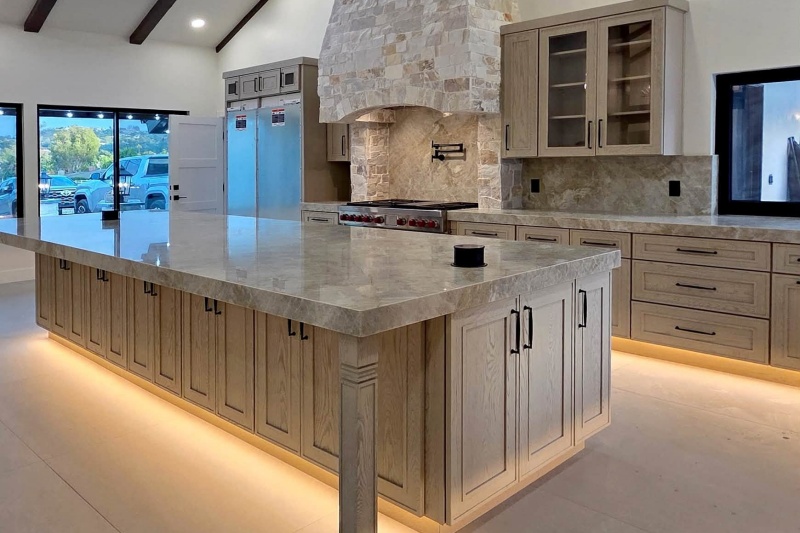
2. Hardware specifications: Durability threshold
Hardware receives the heaviest wear from frequent daily use. For cost-effective cabinets, hinges must be premium branded soft-close hinges tested for over 200,000 open-close cycles, rust-resistant, preventing door sag and delivering cushioned silent closure to avoid impact damage. Drawer slides are full-extension three-section soft-close slides with ≥45kg load capacity, gliding smoothly without jamming to hold heavy items such as tableware and cookware.
3. Structural construction: Face-frame vs frameless cabinets
Two main cabinet construction styles exist on the market with notable value differences:
Final purchasing summary
In short, the cheapest cabinets are not always the best value for money. High-value cabinets balance affordable pricing with reliable quality. They must suit kitchen environments, fulfill functional daily needs, maintain consistent quality and come with solid after-sales support. Focus on panels, craftsmanship, hardware and warranties to avoid marketing traps. The priciest option is not necessarily the best. For maximum overall value, prioritize plywood cabinets fitted with branded hardware. If budget is your top constraint, particleboard cabinets are your alternative.


 Newsletter
 Español

 IPv6 network supported