
What Are You Looking For?
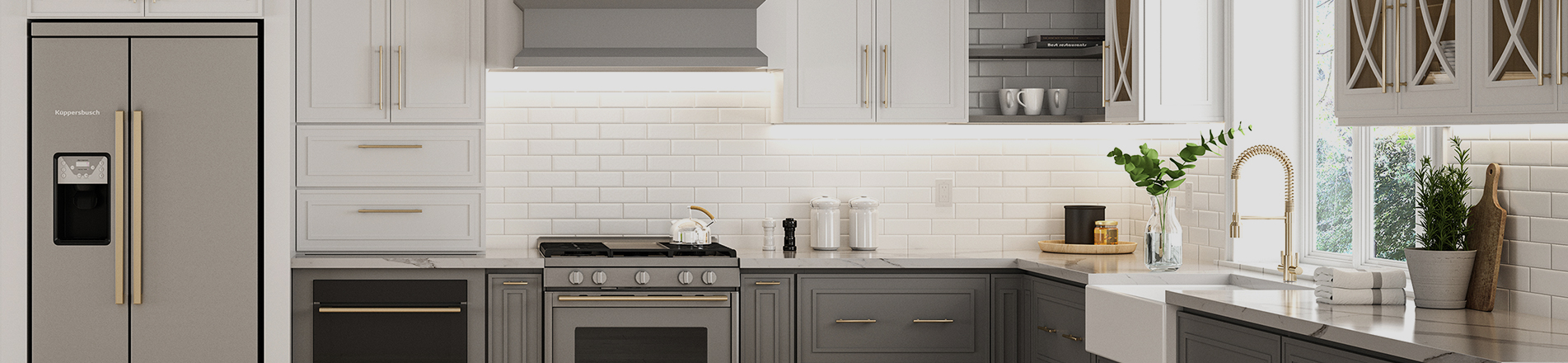
Many people are curious about the structure of kitchen cabinets. After all, cabinets are essential in a kitchen, and understanding them lays a good foundation for future kitchen work. Knowing the components of cabinets allows for better storage and access to items, maximizing the use of cabinet space. So, what parts make up a kitchen cabinet?
1. Cabinet Body
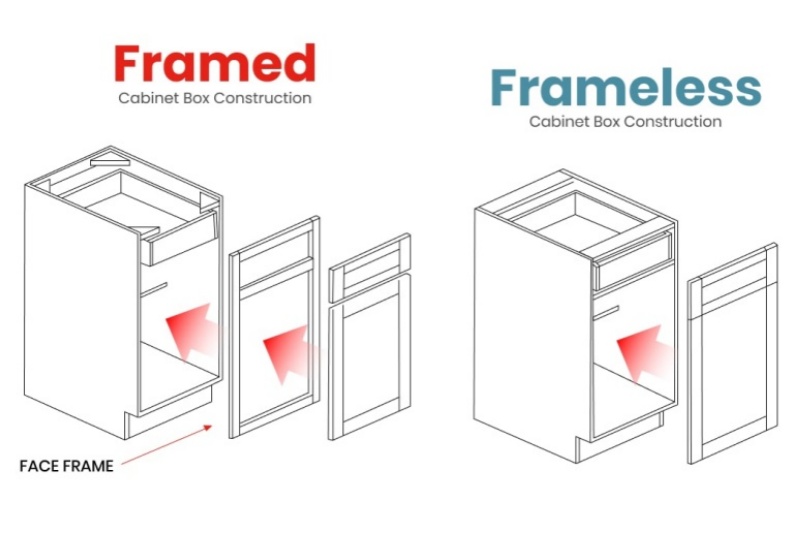
The cabinet body is the most important component of a kitchen cabinet. As the foundation of the cabinet, it adopts a sturdy enclosed structure, usually made of plywood, particleboard, MDF (Medium-Density Fiberboard), or solid wood, and is used to store various items. Cabinet bodies are divided into framed and frameless types: framed structures offer greater stability, while frameless cabinet bodies are generally preferred in European-style kitchen designs.
2. Cabinet Doors
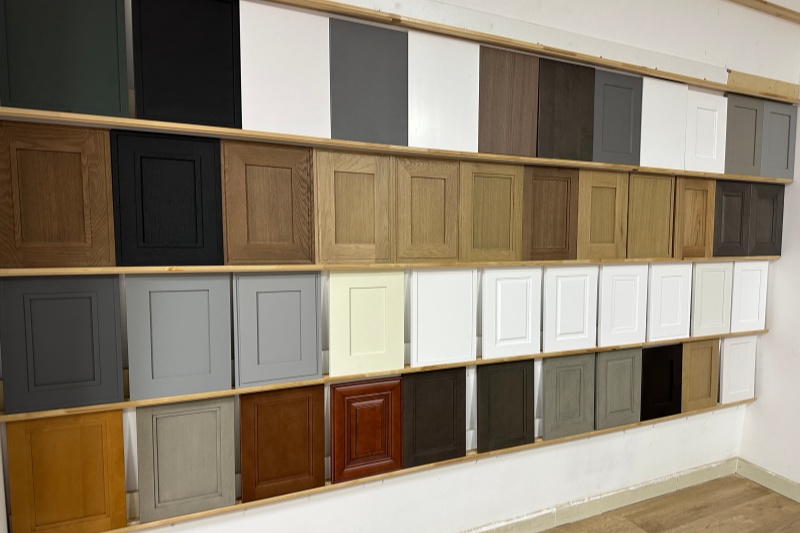
Cabinet doors are the most visible part of a kitchen cabinet and determine the overall design style of the kitchen. Therefore, cabinet doors come in a wide variety of styles and colors. Additionally, cabinet doors protect the items inside the cabinet from dust and oil contamination. Common types of cabinet doors include flat-panel doors, Shaker-style doors, and glass doors. Glass cabinet doors usually serve as display cabinets, while the other two types are opaque.
3. Drawers
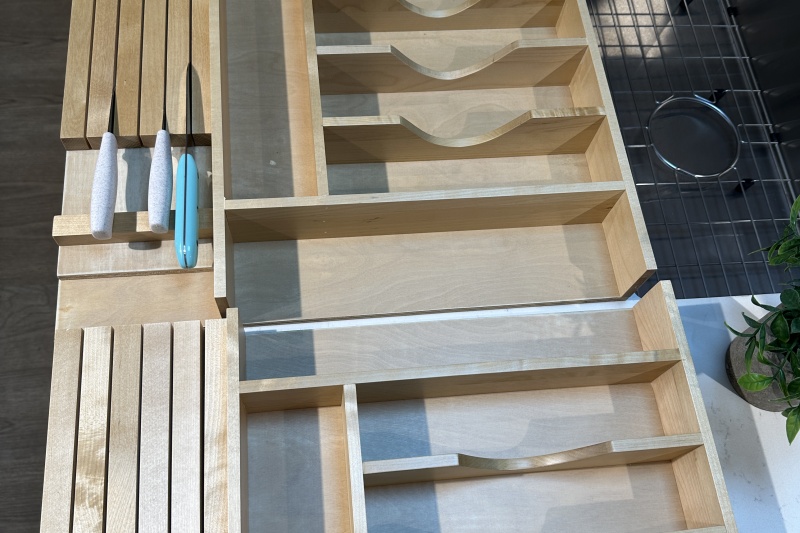
Many people overlook the role of drawers, but they are actually one of the most practical components of a kitchen cabinet. With drawers, there’s no need to rummage through the deep corners of cabinets for small kitchen items—they play a key role in dividing cabinet functions. Simply opening a drawer allows you to see all the items inside clearly, making it easy to find what you need, improving efficiency, and preventing clutter.
4. Shelves
Shelves are the simplest components of a cabinet but have extremely wide applications. They can be used in both wall cabinets and base cabinets. Shelves can be either fixed or adjustable: choose adjustable shelves if you want to flexibly modify the storage space, and place them according to your needs.
5. Hardware
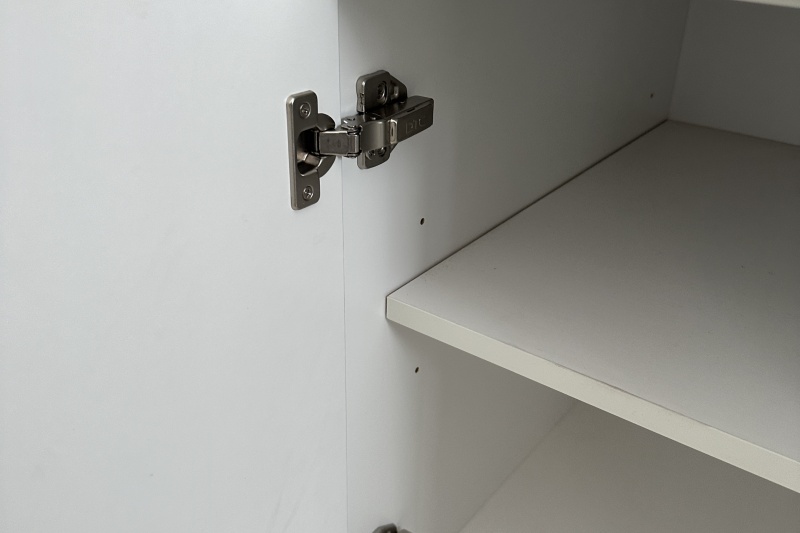
The hardware of a kitchen cabinet consists of handles, knobs, hinges, etc. This is a part that people easily overlook in daily use, but it plays a vital role. Hinges are used to connect cabinet doors to the cabinet body; it’s recommended to choose soft-close hinges, which can prevent violent collisions between the cabinet door and the cabinet body, extending the service life of the cabinet. Knobs and handles are accessories installed on cabinet doors or drawers, and drawer slides ensure smooth opening and closing of drawers.
6. Internal Accessories
Although internal accessories are not essential, they can greatly enhance the convenience of cooking and cleaning. For example, spice racks keep spice bottles upright; pull-out trash cans installed inside base cabinets can hide the trash can while making it easy to dispose of garbage; and rotating trays are specially designed for corner cabinets to solve the problem of "dead corners" in corner cabinet spaces.
Summary
Every component of a kitchen cabinet has its own function. Therefore, when designing your kitchen, you can choose suitable cabinet components based on your usage habits. If you feel unsure where to start, you can also consult Union Woods. As a kitchen cabinet supplier, we will provide the best solution based on your needs and budget.


 Newsletter
 Español
 IPv6 network supported