
What Are You Looking For?
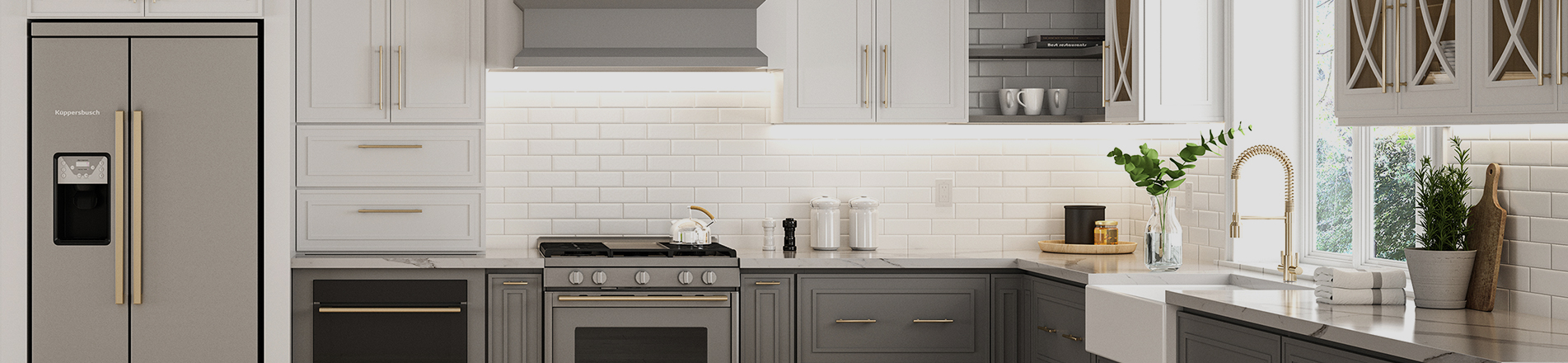
Plywood cabinets are a common choice for many households, but people often wonder about their service life. The lifespan of cabinets varies significantly depending on the material used. Plywood, as a highly popular cabinet material, is made by gluing multiple layers of solid wood veneers together. It is much more affordable than solid wood while still offering good performance. So, exactly how long can plywood cabinets last?
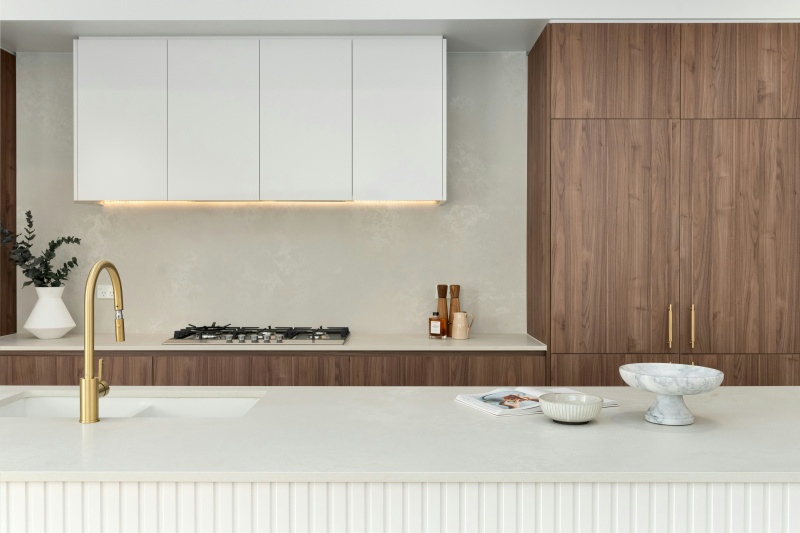
Average Lifespan of Plywood Cabinets
The lifespan of plywood cabinets is greatly influenced by individual usage habits and local environmental conditions. With proper maintenance, plywood kitchen cabinets can typically last for 20 to 30 years. However, this timeframe is not absolute: some homeowners find their plywood cabinets still in excellent condition after 30 years, while others need to replace theirs after just over a decade. The main reasons for this discrepancy are as follows:
1. Environmental Factors
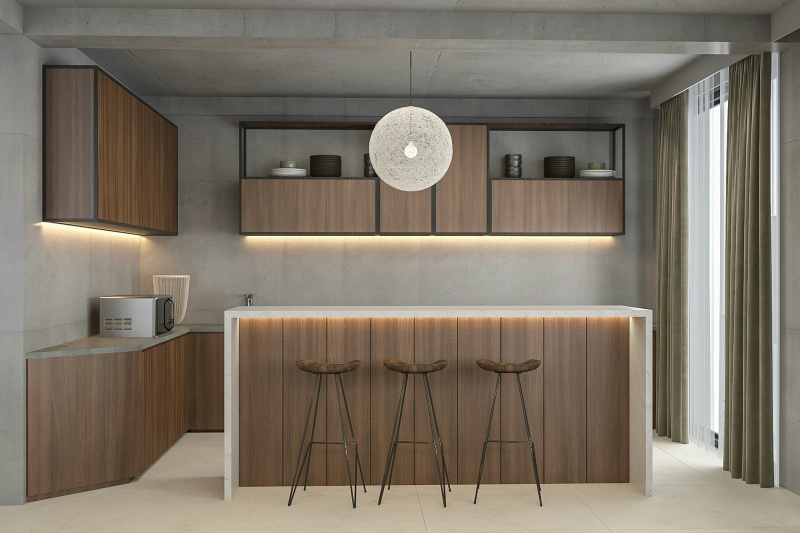
Kitchens and bathrooms are high-humidity areas, and a damp environment can shorten the lifespan of plywood. Prolonged exposure to moisture may even cause the wood layers to separate. In contrast, in arid regions (such as the southwestern United States), plywood cabinets may last more than 30 years. Low-humidity environments reduce the likelihood of wood expansion, contraction, or mold growth.
Additionally, the lifespan of plywood cabinets varies by their location. Cabinets under the sink are particularly prone to damage—if a leaky faucet goes undetected, it can damage the plywood within a few months, making replacement unavoidable. As a result, these cabinets have a shorter lifespan than other storage cabinets.
2. Manufacturing Craftsmanship
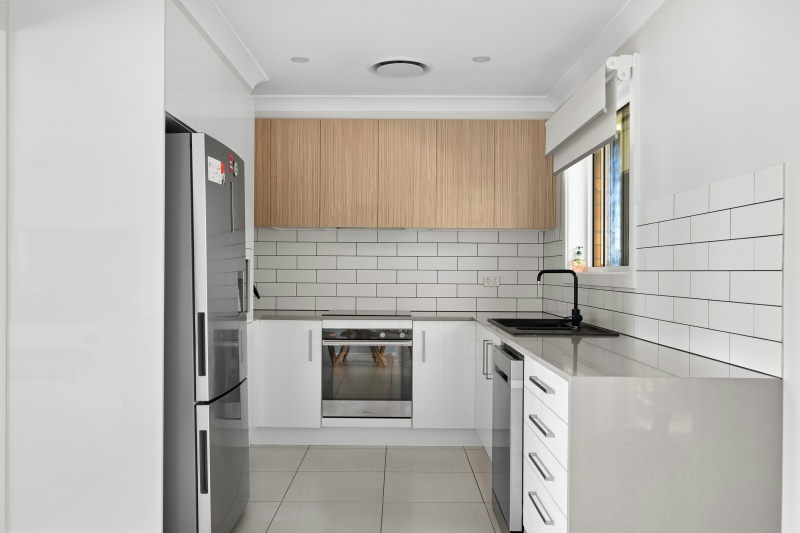
The sturdiness of plywood cabinets depends on the quality of their components. To maximize their lifespan, pay attention to the following aspects:
3. Maintenance Practices
Regular maintenance helps keep plywood cabinets in good condition. Wipe up stains promptly during use, and avoid overloading the cabinets with heavy items. Tighten loose hinges or handles in a timely manner to prevent cracks or breakage. If peeling or scratches appear on the coating, repair it immediately with paint or varnish of the same color—exposed plywood is more vulnerable to damage.
Final Conclusion: Are Plywood Cabinets Worth Buying?
The answer is yes—provided you choose high-quality products and maintain them properly. For most people, plywood cabinets strike a perfect balance between durability, cost-effectiveness, and lifespan. They are more durable than low-cost alternatives like particleboard and cheaper than solid wood, making them an ideal choice for kitchens and bathrooms. For the best prices, consider Union Woods, a cabinet manufacturer based in Vietnam.


 Newsletter
 Español
 IPv6 network supported