
What Are You Looking For?
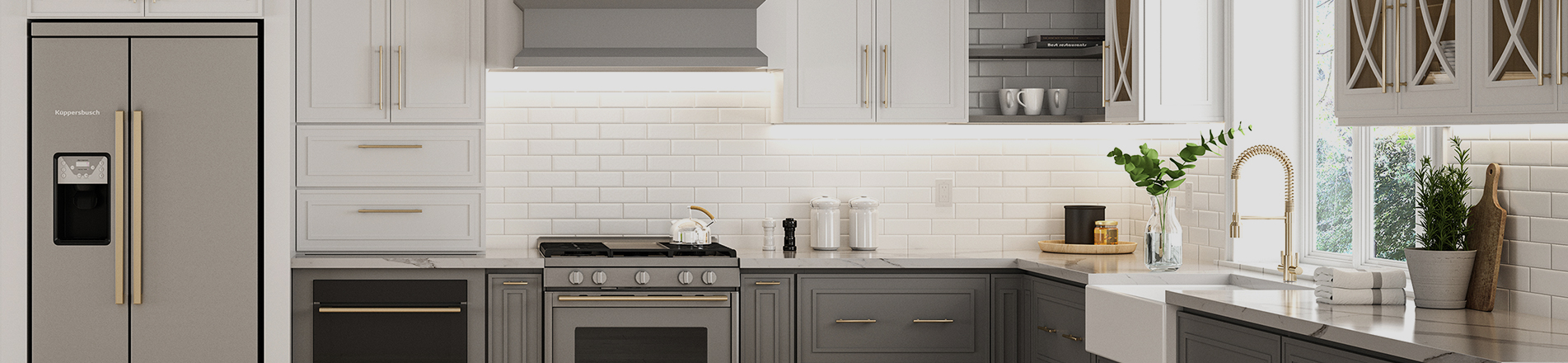
Solid‑wood kitchen cabinets are a popular choice for high‑end residential projects. They outperform cabinets made from MDF, particleboard and veneered panels in durability, repairability, long‑lasting appearance and home resale value. After all, once engineered‑wood cabinets suffer moisture damage or physical harm, they undergo irreversible aging and deterioration. By contrast, premium solid‑wood cabinets can be refinished by sanding and repainting for continued service. They represent a long‑term home investment rather than disposable renovation supplies.
Not all solid‑wood cabinets deliver equal quality, however. Wood density, grain structure, joining techniques, hardware quality and finishing processes jointly determine real‑world performance in kitchens with high humidity, heavy daily use and heavy cooking fumes. Therefore, top‑tier solid‑wood kitchen cabinets require not only robust solid‑wood substrates but also superior joining & finishing work and high‑grade hardware.
Premium Solid‑Wood Species for Kitchen Cabinets
1. Maple — Best‑Balanced Overall Performance
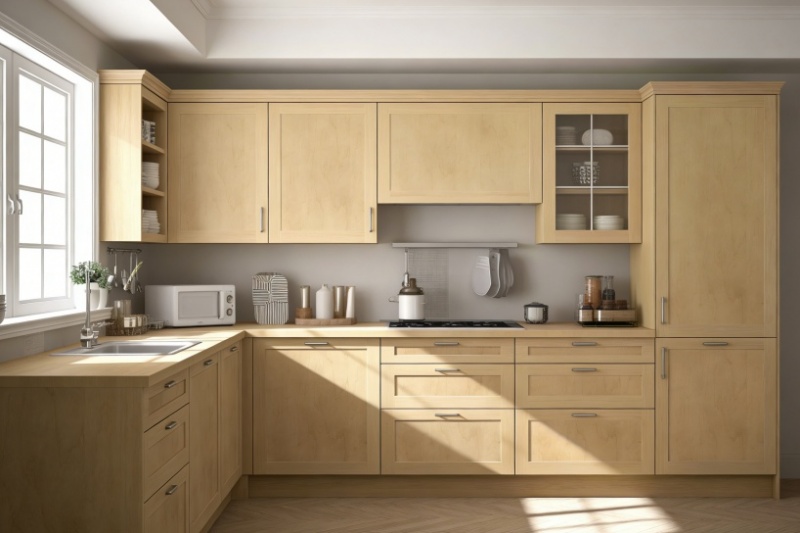
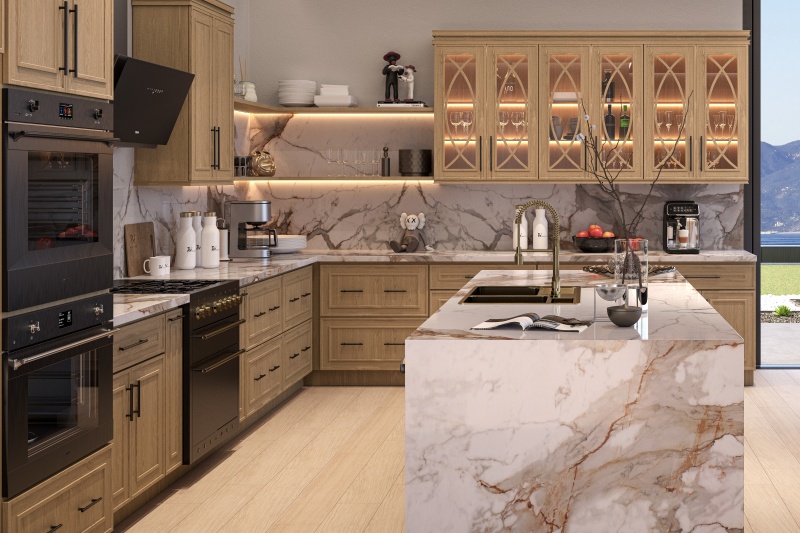
Maple is the most versatile and well‑balanced wood species for custom cabinetry, widely adopted in high‑end residential custom kitchens. Its fine, uniform grain yields flawlessly smooth surfaces, working beautifully with both paint and stain. Maple stain slim shaker framed kitchen cabinetry fits modern‑style kitchens perfectly, while shaker or double‑shaker door profiles suit other mainstream aesthetics including light luxury, farmhouse and vintage designs.
Performance‑wise, maple features high hardness and excellent dimensional stability. It resists warping from heat and moisture better than most hardwoods. Doors stay precisely aligned and drawer fronts remain flat even after years of service. It boasts strong screw‑holding power, preventing loose hinges and sagging doors under sustained load. As a mid‑range hardwood, maple offers outstanding cost‑efficiency and great workability.
2. Oak — Ideal for Humid Climates
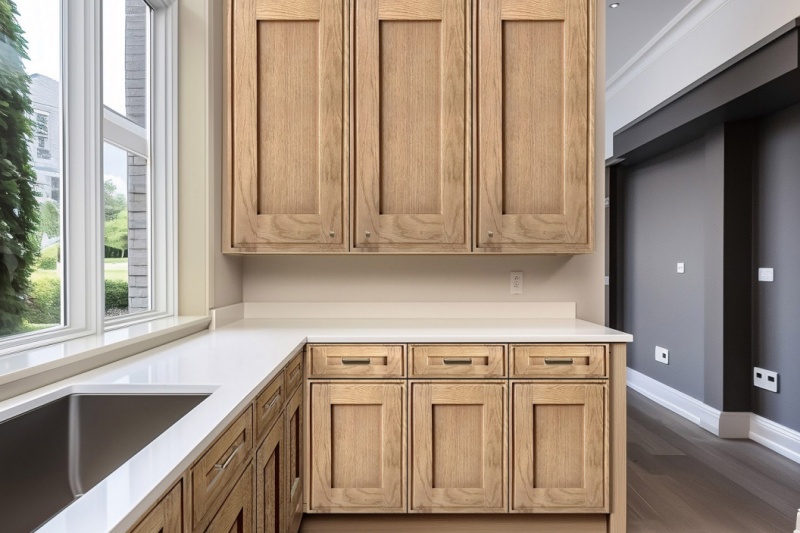
In recent years, oak has become a dominant material for modern farmhouse and Nordic‑style kitchens thanks to its elegant look and excellent environmental adaptability. Its distinctive grain cannot be replicated by engineered wood. White oak’s closed‑pore structure greatly boosts moisture and rot resistance, making it the optimal pick for coastal humid zones and high‑humidity kitchen spaces.
Mechanically, white oak tolerates seasonal temperature‑humidity fluctuations with minimal thermal expansion and contraction. It features exceptional structural stability and low risk of warping or cracking. Hard‑wearing and scratch‑resistant, it holds up well under tough kitchen conditions. Matte clear coats or light‑toned stains maximize depth of its natural grain, though durable natural light oak framed kitchen cabinetry comes at a relatively higher price point.
3. Cherry — Premium Aesthetic Option
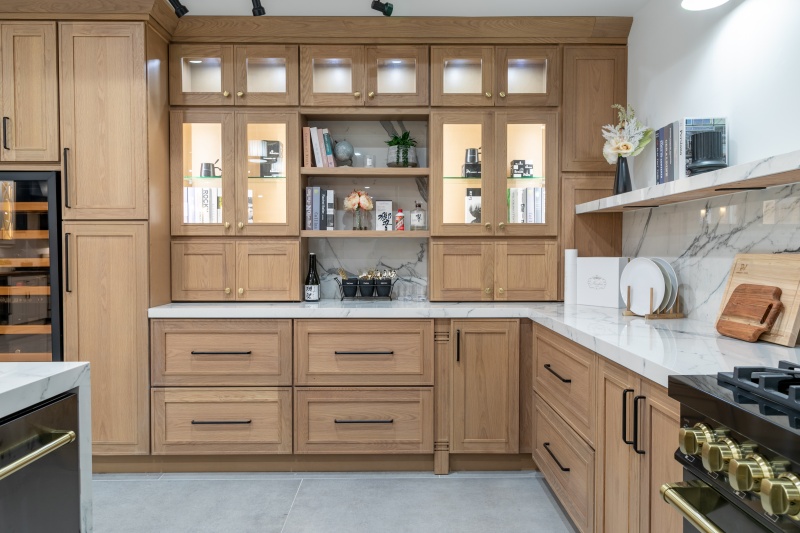
Cherry wood is highly sought‑after for high‑end light‑luxury and vintage‑themed kitchens. Its refined reddish‑brown hue deepens gradually under natural light over time, developing richer character. Unlike other timbers that fade and degrade with age, cherry develops one‑of‑a‑kind vintage patina impossible to duplicate with factory‑applied paint finishes.
From a processing perspective, cherry is highly malleable and yields silky‑smooth surfaces post‑sanding. Its downside is lower hardness compared with maple and oak, so minor dents and scratches occur more easily, calling for more careful routine maintenance. Natural color variation exists across raw lumber, requiring grade sorting during production, which raises costs. If you desire cherry’s visual appeal without demanding upkeep, stained cherry solid‑wood kitchen cabinets use maple as base material with stain mimicking cherry’s appearance while delivering durability and low‑maintenance convenience.
4. Birch — High‑Cost‑Performance Material
Birch features straight, fine grain with pale, warm‑toned coloring, creating a clean, bright visual effect. It pairs wonderfully with light‑colored countertops or dark kitchen appliances and elevates overall kitchen aesthetics. Boasting high mechanical strength and flexibility, birch wood framed kitchen cabinets show excellent bend‑resistance and deformation resistance. Reliable screw‑holding strength avoids loose cabinet bodies and distorted door frames under long‑term loading.
Birch machines exceptionally well, yielding smooth, clean cut surfaces. Solid‑color baked enamel, light‑toned stained natural‑wood finishes and closed‑coat paint systems all produce refined, upscale appearances. Easy to cut, carve and sand, birch suits intricately styled cabinet doors, ideal for high‑end custom kitchen projects with elaborate design requirements. As a mid‑tier hardwood, it delivers excellent value for money.
Selection Criteria for Top‑Tier Solid‑Wood Kitchen Cabinets
1. Material Authenticity: Confirm whether products are *full solid wood* (frames and center panels share identical wood species) or *solid‑wood composite* (veneer over substrate). Full solid‑wood delivers superior texture yet higher cost; balance against your budget. Avoid overpaying for veneered imitations. Source from trustworthy cabinet suppliers to obtain genuine high‑quality solid‑wood kitchen cabinets.
2. Craftsmanship & Finishing: Inspect tightness of cabinet joints, surface sanding smoothness, and even, defect‑free paintwork. These factors directly govern service life and visual quality. Fine dovetail joinery for drawers and door frames marks premium craftsmanship, vastly superior to simple butt joints and nail‑fastened construction.
3. Hardware Specifications: Cabinet doors undergo constant opening‑closing cycles, so hinge and slide quality is critical. Premium hardware substantially extends cabinet service life. Top‑grade solid‑wood kitchen cabinets are fitted with soft‑close hinges and full‑extension silent drawer slides certified for 100,000 opening‑closing cycles, eliminating looseness, rattling and misalignment.
Recommended Preferred Brands
1. Union Wood: One of Vietnam’s large‑scale modern cabinet manufacturers, specializing in kitchen and bathroom vanities. Its product portfolio covers residential and commercial‑project requirements. Equipped with state‑of‑the‑art machinery and automated production lines, it supplies premium solid‑wood kitchen cabinets at factory wholesale prices with stable output and competitive pricing.
2. IKEA: Globally renowned home brand famous for affordable, minimalist‑modern design. It supplies extensive modular kitchen solutions targeting mass‑market consumers.
3. KraftMaid: One of North America’s oldest cabinet brands (established 1920), benchmarking North‑American semi‑custom American‑style cabinetry. It offers thousands of color, material and finish selections and supports online design tool configuration.
Solid‑Wood Cabinet Care Guide
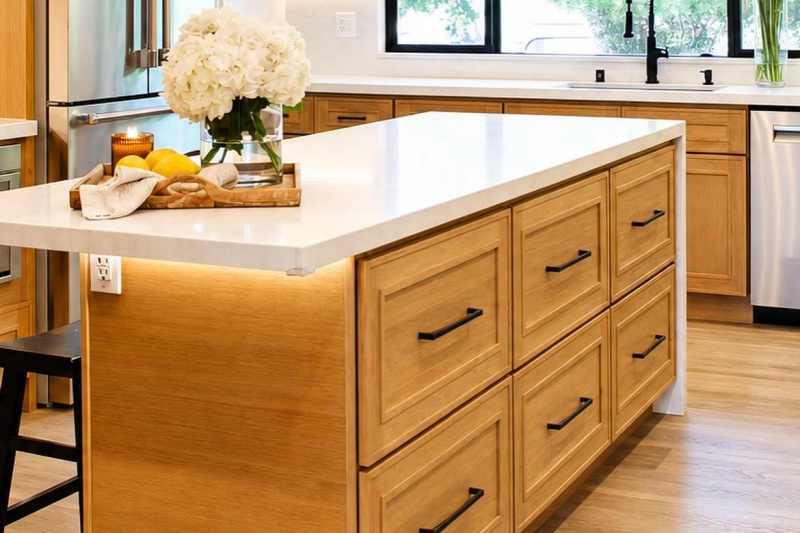
With proper day‑to‑day care, high‑quality solid‑wood kitchen cabinets can last over 30 years, far outliving engineered‑wood alternatives. Follow this maintenance guide to prevent premature aging and damage.
Final Purchasing Advice
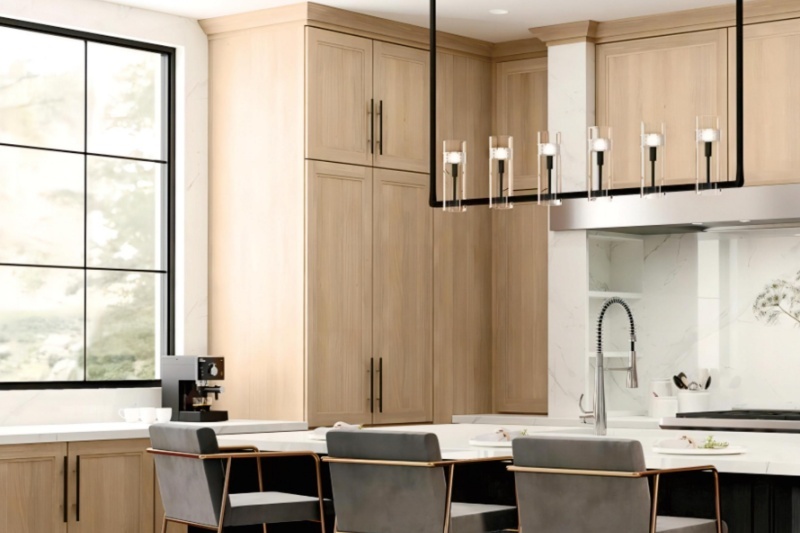
For most households, the most well‑rounded, safe and cost‑effective solution combines plywood cabinet boxes with maple cabinet doors. It adapts to all decorating styles and usage intensities. Plywood offers wood‑like performance at lower cost and avoids the thermal‑expansion‑contraction issues of all‑solid‑wood cabinet bodies, ensuring cabinet structural stability.
For humid‑zone or modern‑style kitchens, upgrade to white‑oak construction for enhanced moisture resistance. If you are renovating solid‑wood cabinetry on a limited budget, birch delivers the best value. When shopping for premium solid‑wood kitchen cabinets, do not judge solely by wood species. Craftsmanship, finishing quality and hardware specifications carry equal weight. Evaluate all these factors together to confidently select your ideal solid‑wood cabinets.


 Newsletter
 Español
 IPv6 network supported