
What Are You Looking For?
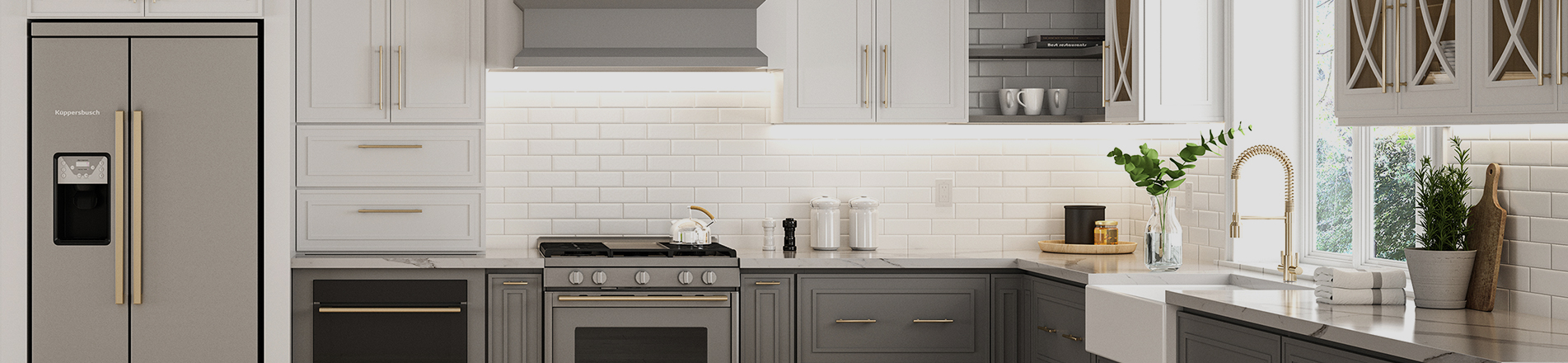
Dark wood cabinets encompass a wide range of tones including deep coffee, black walnut and black oak. They carry a natural warm texture and rich grain depth, creating a sophisticated, luxurious aesthetic. As a timeless staple in both contemporary and traditional kitchen designs, they elevate the overall style of a kitchen. Once you have settled on your ideal cabinet style, the key question remains: what countertop color goes best with dark wood cabinets?
Unlike light wood or white cabinetry, dark wood cabinets have low light reflectance and lean toward a calm, vintage feel. A poorly matched countertop can make premium dark wood cabinetry look cramped, gloomy and visually disjointed. A carefully curated pairing, however, balances tones, amplifies natural light and accentuates material depth, fully realizing the design potential of your kitchen.
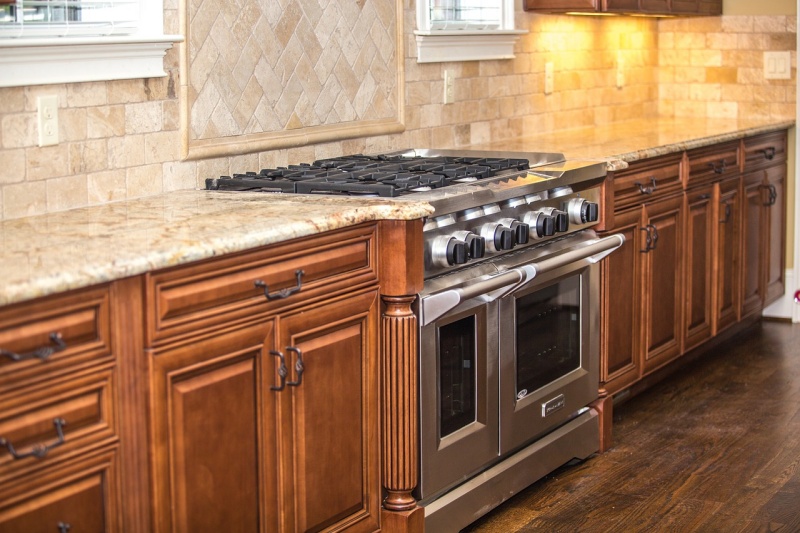
White / Off‑White Countertops
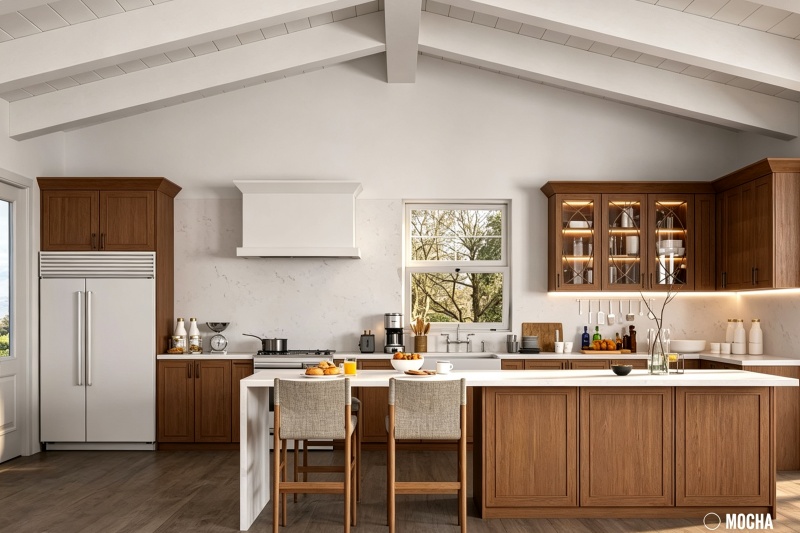
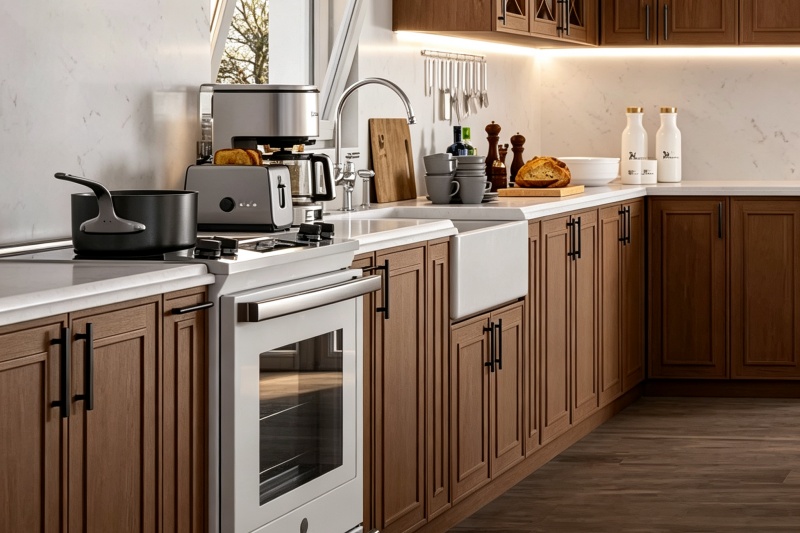
Effect: White countertops create a classic light‑dark contrast with dark wood cabinets. This striking pairing works beautifully for exclusive design black oak kitchen cabinets. The bold visual contrast offsets the heaviness of dark wood, brightening the space and delivering a contemporary look. It suits both organic timber styles and modern layouts, remaining timeless and appealing for years.
Beige / Cream White Countertops
Beige and cream white are neutral warm hues, gentler than stark white. Paired with dark wood cabinets, they produce a soft warm‑cool contrast that preserves the richness of the wood while infusing the room with warmth and comfort. Solid white countertops can create harsh separation from dark timber, which is why many designers prefer cream white surfaces with pale beige or ivory bases. These tones echo the brown and amber undertones of dark wood, enabling a smooth, natural visual transition. Walnut stain double shaker wood kitchen cabinets are particularly well suited to beige countertops.
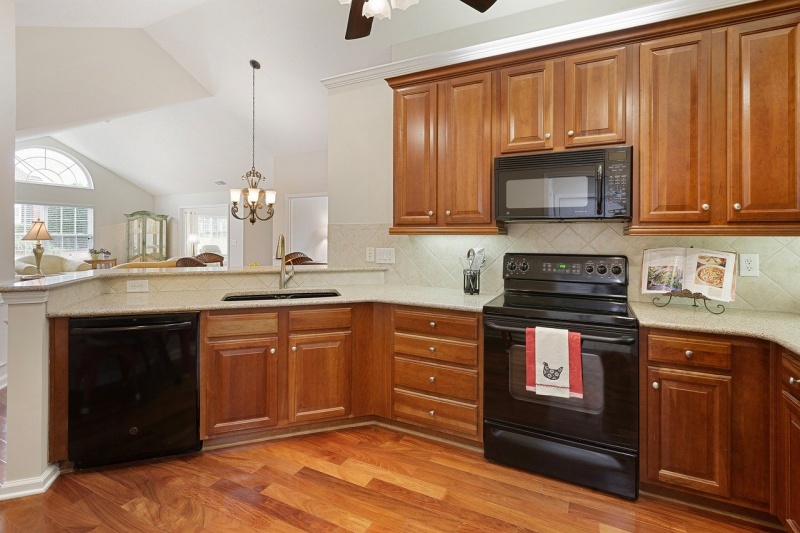
Muted Warm Grey / Greige Countertops
These tones balance warmth and minimalist modernity, avoiding the cloying sweetness of cream while harmonizing with dark wood textures to craft a low‑saturation, high‑end contemporary kitchen. Grey comes in cool and warm variants: cool grey with blue undertones clashes with the warm base of dark wood and creates visual fragmentation. Warm grey and greige carry subtle brown and beige undertones. They soften the substantial weight of dark timber without disrupting the room’s cohesive warm palette.
Light Wood / Natural Timber Countertops
Light wood belongs to the same color family as dark wood, delivering consistent tonal flow. It maximizes the innate warmth of timber and builds a natural, cozy, rustic atmosphere. This is one of the most cohesive matches for stained cherry solid‑wood farmhouse kitchen cabinets. The tones echo one another in a gentle gradient. Unlike high‑contrast white schemes, this low‑difference pairing avoids abrupt visual shifts and puts the inherent quality of dark wood cabinets front and center.
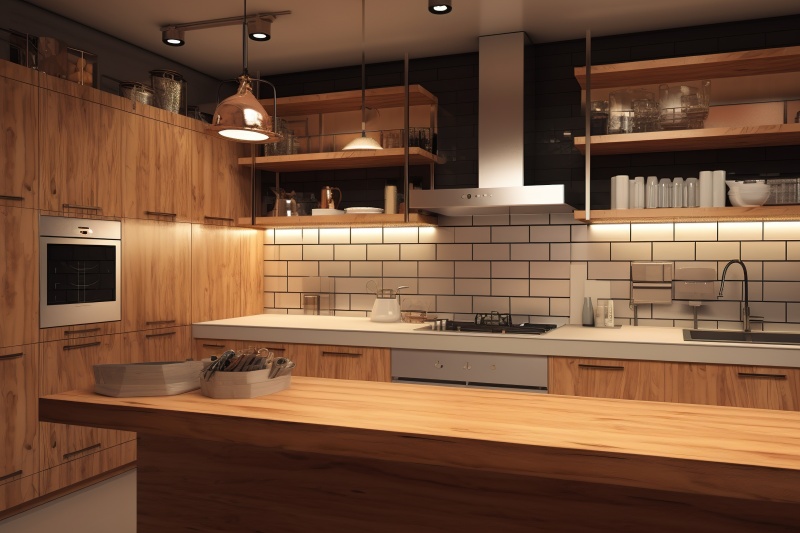
Matching Dark‑Tone Combinations
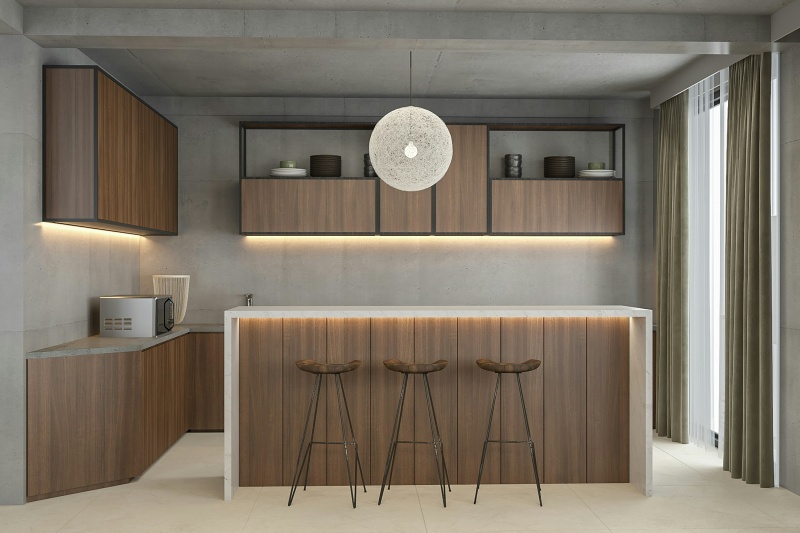
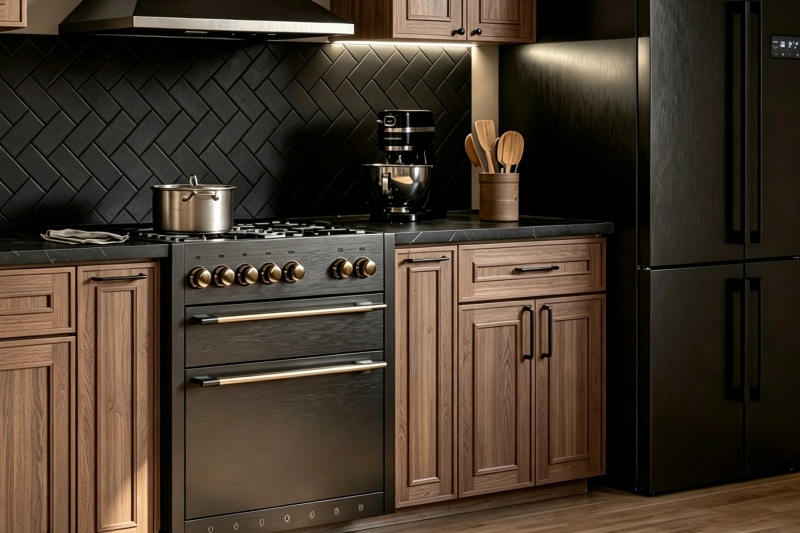
An all‑dark palette creates an immersive, dramatic luxury kitchen. This is an advanced styling technique with strict spatial requirements and is not suitable for every kitchen. Many homeowners assume dark countertops paired with dark wood cabinets will darken the kitchen excessively, yet thoughtful design can achieve a streamlined, minimalist premium look. The core of this approach lies in textural contrast and sufficient lighting: pick dark countertops with a surface finish distinct from cabinet grain and supplement the space with ample natural and artificial lighting to prevent a confining feel.
Gold‑Veined and Caramel Brown Flow‑Veined Stone
Built upon the warm base of dark wood, subtle gold and flowing caramel brown veins act as focal details that boost refinement and add multi‑dimensional depth to dark wood kitchens. This accent pairing is widely used in mid‑to‑high end renovation projects. Solid countertops risk appearing monotonous; irregular natural veining resonates organically with wood grain, lending effortless high‑end appeal without extra ornamentation.
Poor Combinations to Avoid
Certain countertop choices can undermine the refined look of dark wood kitchens, so these pairings should be avoided to protect the premium character of dark cabinetry.
1. Ice Blue Countertops
Ice blue and blue‑grey countertops feature strong cool undertones that clash sharply with the red, brown and orange warm bases of dark wood. They make the space fragmented and heavy, erasing the inherent warmth of timber and contradicting the original design intent.
2. High‑Saturation Bright Countertops
Vibrant orange, bright yellow, vivid blue and other saturated hues create jarring, excessive contrast against dark wood cabinets. The result looks visually busy and cheap, disrupting the calm, upscale quality of dark cabinetry.
3. Mottled, Murky Dark Stone with Chaotic Speckles
Dark stone with messy speckling and muddy hues overlaps and competes with dark wood grain, rendering the kitchen dim, disordered and lacking depth, and drastically lowering the perceived value of the space.
Key Tips to Prevent Styling Mistakes
Advantages of Choosing Dark Wood Kitchen Cabinets
1. Enhanced Texture and Visual Depth
Richly hued dark wood greatly elevates kitchen aesthetics, cultivating a luxurious, elegant and grounded mood while adding visual layers that light wood and solid‑color cabinets struggle to deliver. Paired with gold‑veined and caramel flow‑veined stone, the kitchen gains exceptional refinement.
2. Practicality and Durability
Dark surfaces hide daily cooking grime, water marks and fingerprints well, easing visual maintenance and reducing frequent cleaning pressure. When crafted as solid wood, dark wood cabinets are robust, wear‑resistant and built for a long service life.
3. Versatile and Timeless
Dark wood cabinetry integrates smoothly with modern minimalist and industrial styles, and complements vintage and European classical designs equally well. It is a versatile, enduring kitchen element that pairs effectively with light or dark countertops to amplify overall design quality.
4. Calming Atmosphere
Dark tones project stability and quietness, helping create a focused, soothing cooking environment, ideal for people who prefer reserved, tranquil spaces.
Final Summary
For most residential renovation projects with dark wood cabinets, fine‑veined cream beige quartz and greige countertops offer the highest tolerance, broad applicability and space‑friendly qualities, suiting roughly 90% of home layouts. Spacious, well‑lit high‑end custom kitchens can experiment with matching dark stone or gold‑veined natural stone for dramatic luxury. Traditional dark wood cabinets with strong warm undertones work best with gradient dark matching schemes for the softest, most cohesive texture.
The core principle of countertop pairing for dark wood cabinets is not merely color selection, but aligned undertones, balanced brightness and differentiated textures. By following these color and spatial design rules and steering clear of incompatible countertop hues, you can maximize the unique warmth, luxury and depth of dark wood kitchens, crafting comfortable, attractive interiors that resist trends over time.


 Newsletter
 Español
 IPv6 network supported