
What Are You Looking For?
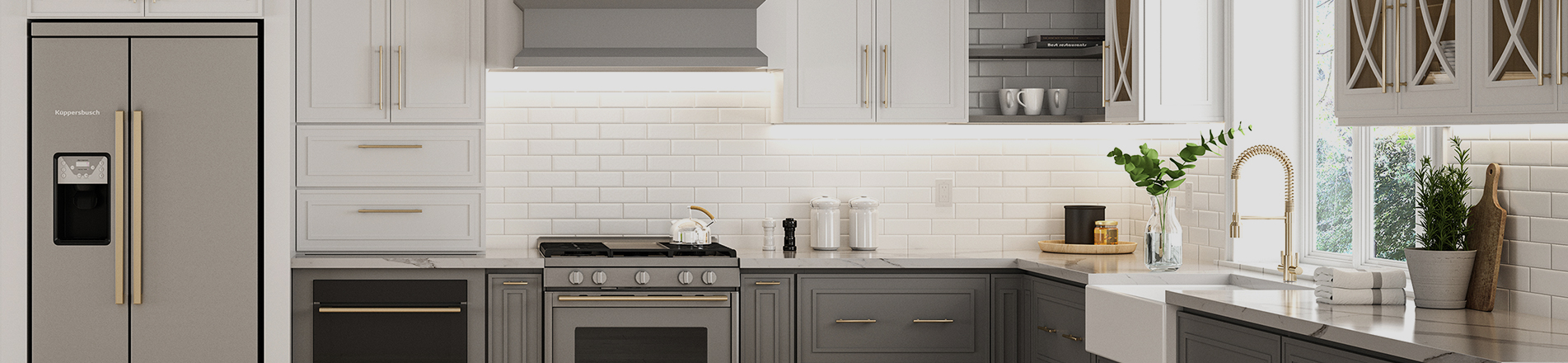
Kitchens are exposed to constant temperature fluctuations, persistent steam, oil splatters, corrosion from acidic and alkaline cleaning agents, and frequent physical abrasion. Therefore, kitchen cabinets with storage and functional purposes must meet stringent standards. A high-quality cabinet coating forms a functional protective barrier, which directly determines the service life, maintenance difficulty and long-term aesthetic performance of cabinets.
So what is the best coating for kitchen cabinets? The selection should be analyzed based on criteria including chemical resistance, environmental performance and coating adhesion. The ideal coating needs to deliver superior stain resistance, easy cleaning, moisture resistance and wear resistance. UV coating possesses all these merits and fully meets the requirements for the optimal coating. When purchasing kitchen cabinets, avoid inferior spray finishes. Choosing the right coating can effectively extend cabinet service life.
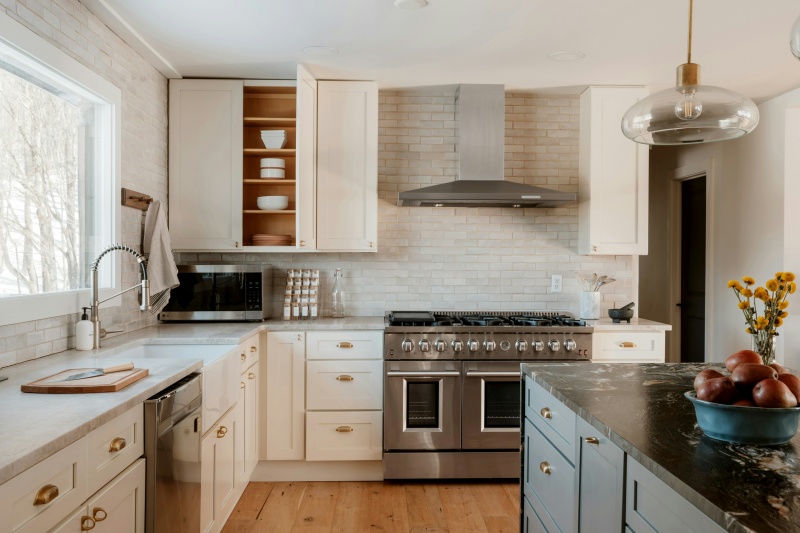
Professional Evaluation Criteria for Cabinet Coatings
Before comparing different coatings to identify the best option for kitchen cabinets, it is necessary to understand industry-wide evaluation benchmarks. Widely adopted by leading cabinet coating brands such as Sherwin-Williams and Benjamin Moore, these standards are used to grade coating performance:
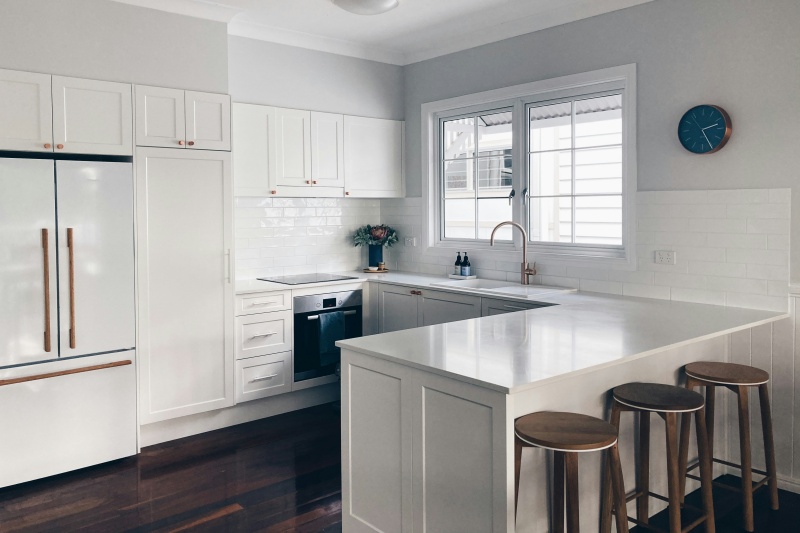
Common Types of Kitchen Cabinet Coatings
Each cabinet coating features a unique curing mechanism, molecular structure and performance ceiling. By reviewing the pros and cons of mainstream coatings, you can select the most suitable finish for your project.
1. Paint Coatings (for solid wood, plywood and MDF cabinets)
Offers balanced overall performance with thick, tough film, excellent abrasion resistance, chemical resistance, superior waterproof and moisture-proof properties, and high gloss that effectively conceals wood defects.
Drawbacks: Relatively long drying time and potentially high VOC emissions; market share has declined amid tighter environmental regulations (improved eco-friendly PU variants available).
Suitable for projects prioritizing cabinet durability and gloss with sufficient budget, especially custom orders requiring vintage or natural wood texture.
Instantly cures under ultraviolet light, delivering extremely hard, scratch-resistant surfaces with low VOC emissions. Widely adopted in modern furniture factories, it ranks among the best coatings for kitchen cabinets.
Drawbacks: Relatively brittle film, high requirements on substrate flatness, and difficult surface repair.
Recommended for projects demanding maximum scratch resistance and high-gloss mirror finish: kitchen cabinets with UV coating.
Outstanding environmental performance with ultra-low VOC levels, vibrant colors and smooth surfaces. It resists yellowing and delivers a soft tactile feel, mostly available in matte or soft-touch finishes that preserve natural wood grain for an elegant, low-reflection appearance.
Drawbacks: Comparatively thinner film, strict requirements for construction environment (temperature & humidity), and slightly lower abrasion resistance than PU paint.
Ideal for households with strict eco-friendly requirements and moderate cabinet usage frequency.
Fast-drying, scratch-resistant and easy to clean, with rich color options and relatively thin film. Acrylic paint produces low odor, while alkyd paint forms tougher coatings.
Suitable for budget wholesale & engineering projects or homes with low demand for surface gloss.
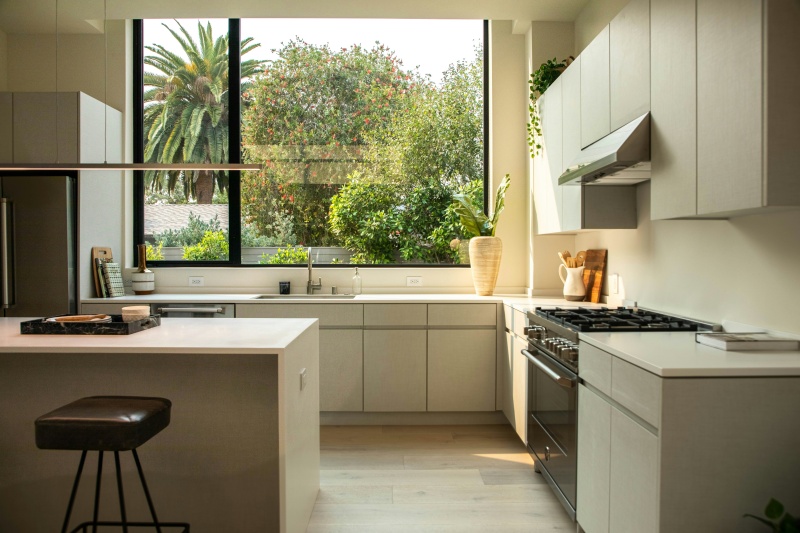
2. Film Laminates (for particleboard and MDF cabinet doors)
Soft-touch PET film boasts premium texture and delicate handfeel yet easily retains fingerprints and oil stains, requiring frequent cleaning. It fits minimalist-style kitchens with regular maintenance.
High-gloss PET film is stain-resistant, easy to wipe, anti-fingerprint and creates a mirror effect, though prone to light reflection and visible scratches.
You may select gloss grades based on demands: high-gloss PET film is the top pick for heavily greasy kitchens and families valuing effortless maintenance. Soft-touch PET film works for customers pursuing premium texture who can maintain a dry kitchen environment.
Good waterproof and moisture resistance, extensive color choices and capability for complex moulded profiles. Limitation: poor heat resistance; long-term exposure to high heat (near ovens) leads to deformation and surface scratches.
Suited for projects requiring elaborate profiles with moderate budget and placement away from heat sources: white thermofoil framed kitchen cabinets are available for projects.
3. Veneer Finishes (for plywood, particleboard and MDF substrates)
Surfaced with melamine-impregnated paper, delivering great scratch resistance and dimensional stability, yet average water resistance and inability to form intricate moulded shapes.
Perfect for large-scale commercial projects without custom profiling demands, focusing on cost efficiency and wear resistance. Our Vietnam-made RTA frameless kitchen cabinets with melamine finishes are supplied directly from the factory at wholesale prices for greater cost savings.
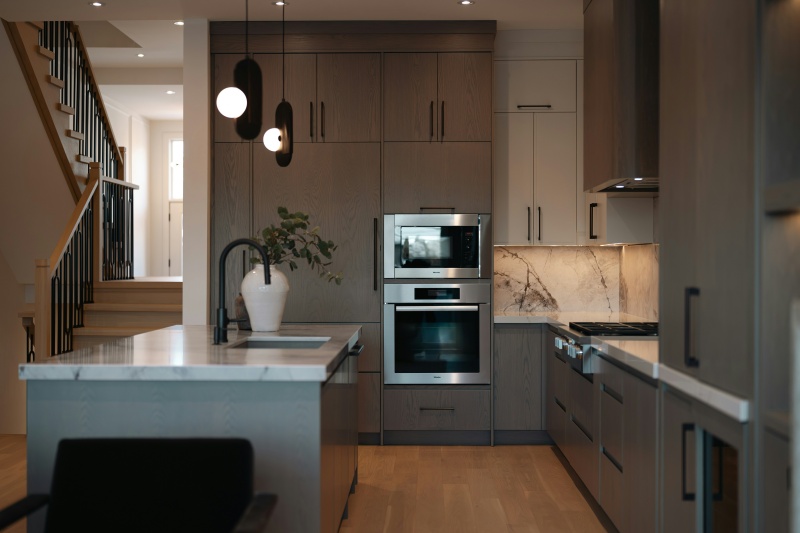
Selection Guide: Choose the Optimal Cabinet Coating as Required
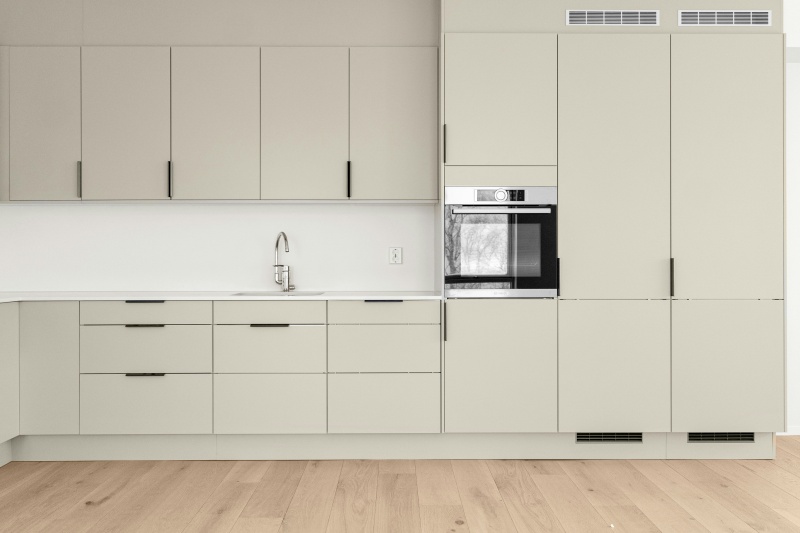
Construction & Maintenance Guidelines
To maximize the performance of premium coating materials, standardized construction procedures are indispensable. Industry statistics show that 60% of coating failures on kitchen cabinets stem from non-standard construction rather than inferior raw materials.
As a professional cabinet wholesaler, Union Woods operates a mature production line in Vietnam with more than 300 professionally trained employees. Technical risks are fully eliminated. Dedicated quality inspectors ensure kitchen cabinets achieve optimal coating results.
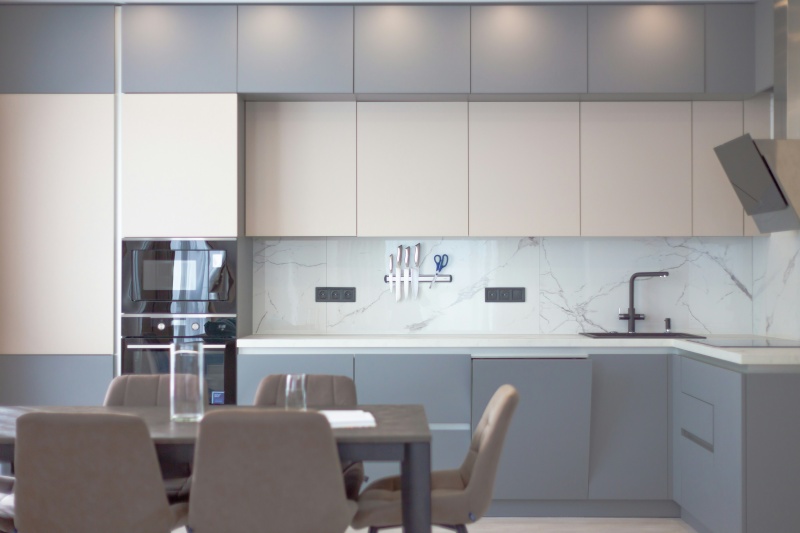
Conclusion
Based on the above analysis, UV coating delivers the best overall performance for cabinet finishes. It offers top-tier durability, chemical resistance and anti-aging properties, matching high-end commercial projects. For on-site renovation and mid-range residential projects, water-based paint provides the best cost-performance ratio. For economical flat-panel cabinets, melamine finish is the most practical and stable solution.
The core principle of cabinet coating selection is not simply chasing high-priced products. Instead, accurately match coatings according to substrate type, usage frequency and budget. Combined with standardized construction techniques, you can fully unlock the coating’s protective and decorative value.


 Newsletter
 Español
 IPv6 network supported