
What Are You Looking For?
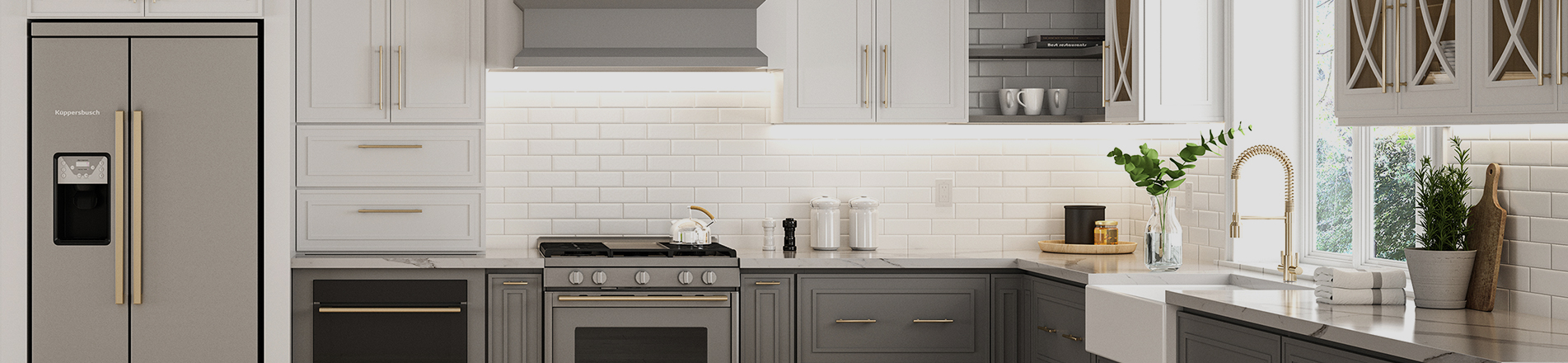
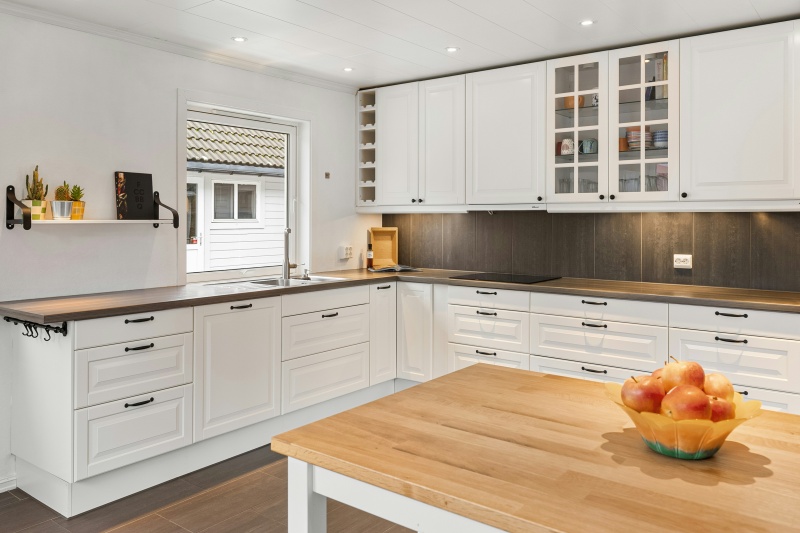
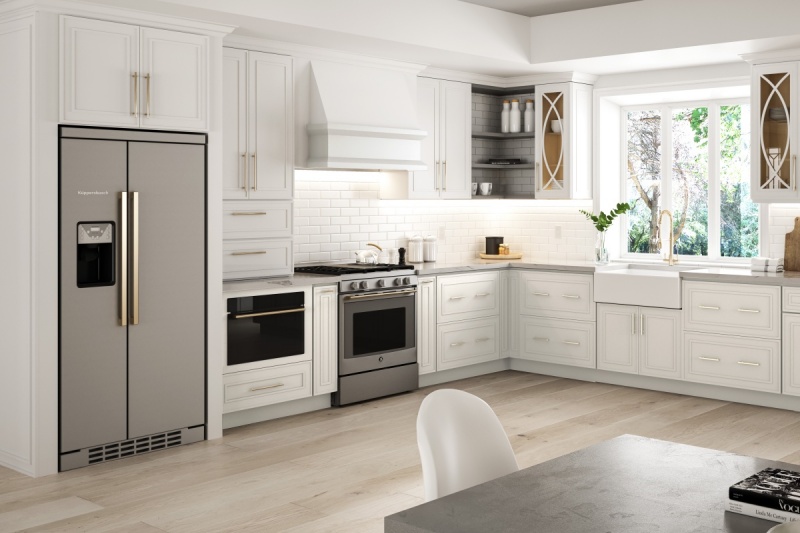
Pure, luminous white cabinetry has become an extremely popular choice nowadays. In the past, most kitchen cabinets featured dark, traditional wood tones such as dark walnut and cherry. Though these are timeless styles, they can look out of place in many modern kitchens and only suit select retro kitchen renovations. White cabinets, by contrast, complement nearly all kitchen design styles, which explains why white wooden cabinets are widely favored by homeowners.
So, can wood kitchen cabinets be painted white? The answer is yes. Nearly all wooden kitchen cabinets can be coated with white paint, fully concealing the original wood grain to deliver a solid, crisp white finish. Repainting old cabinets white is the most cost-effective kitchen renovation solution, cutting costs by roughly 70% compared to a full cabinet replacement.
Types of Wooden Kitchen Cabinets Suitable for White Paint
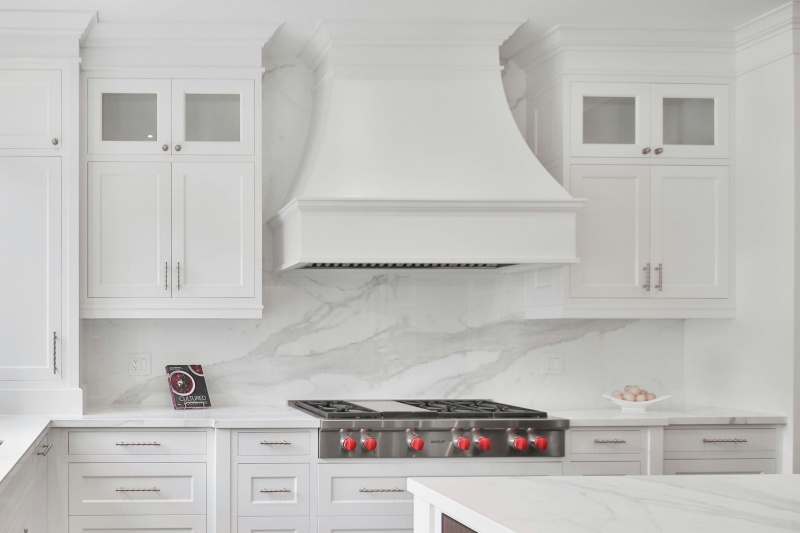
Wooden kitchen cabinets are crafted from a wide range of materials, each with varying paint adhesion properties. Solid wood features naturally porous textures that deliver exceptional bonding strength for primers and topcoats, making it the ideal material for white cabinet transformations. Several other wood varieties also perform well when painted white.
Best Wood Species for White Finishes
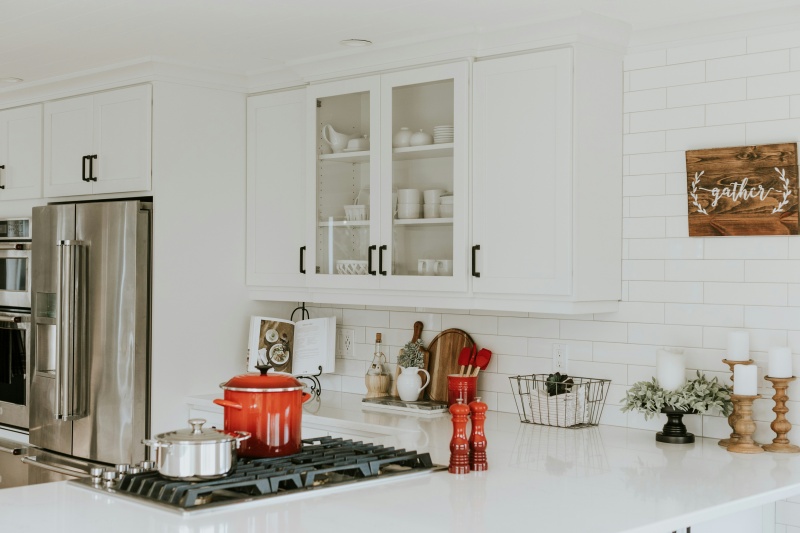
Wood Types Not Recommended for Painting
Wooden Cabinets That Must Not Be Painted White
When purchasing new cabinets, you must check whether the base material is paint-friendly. The same caution applies to cabinet remodelling: certain cabinet types should never be repainted white, as the paint will crack and peel off shortly after application.
1. Damaged, rotted solid wood cabinet frames
Cabinets with water damage, mould, warped panels, cracked doors, or broken framing require professional restoration before painting. Directly applying white paint to deteriorated surfaces will cause blistering and peeling, ruining the aesthetic.
2. Veneer cabinets with peeling wood veneer
Thin wood veneers are glued onto MDF or plywood. If veneers are lifting, splitting, or bubbling, repainting white is prohibited—new paint will pull the loose veneer off entirely. Cabinets with intact, firmly bonded veneers can be safely painted.
3. Thermally laminated film cabinets
These feature synthetic wood-look plastic surface films. White paint cannot bond to plastic laminates and will chip, flake, or peel off after minor impacts once finished.
Pros and Cons of Painting Wooden Kitchen Cabinets White
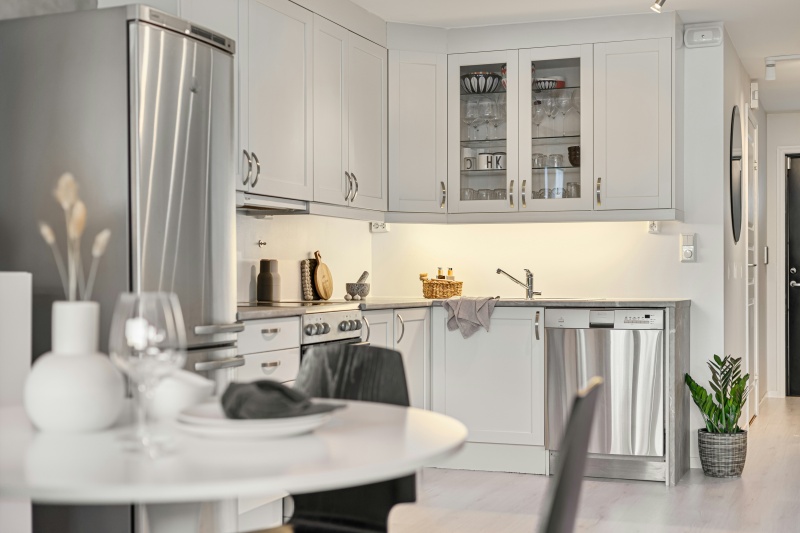
Before buying brand-new white kitchen cabinets or repainting your existing cabinets white, it is important to understand the full spectrum of characteristics white cabinetry offers. While white cabinets come with numerous benefits, they also have drawbacks to consider before committing to this style.
1. Advantages
2. Disadvantages
Causes of Peeling and Failing White Paint on Wooden Kitchen Cabinets
Many homeowners enjoy repainting their cabinets white by themselves. However, insufficient hands-on experience often leads to unsatisfactory finishing on white-painted wooden cabinets, mainly due to the following key factors:
1. Unremoved Cooking Grease Residue
Invisible solidified cooking grease builds up on the surface of wooden cabinets. It cannot be eliminated without thorough deep cleaning.
2. Expansion and Contraction of Solid Wood
Kitchens feature drastic fluctuations in temperature and humidity, causing solid wood to expand with heat and contract with cold. Low-cost latex paint with poor flexibility will crack and split as the wood deforms.
3. Tannin Bleed-through & Yellowed Paint Film
Without professional blocking treatment, natural wood tannins easily seep through and stain white paint. Budget oil-based white paint resins oxidize and turn amber yellow under high heat from stoves and ultraviolet radiation.
All the above issues can be avoided by following standardized degreasing procedures, applying a sealing primer, and using eco-friendly water-based paint specially formulated for cabinets, allowing you to achieve a flawless white cabinet finish.
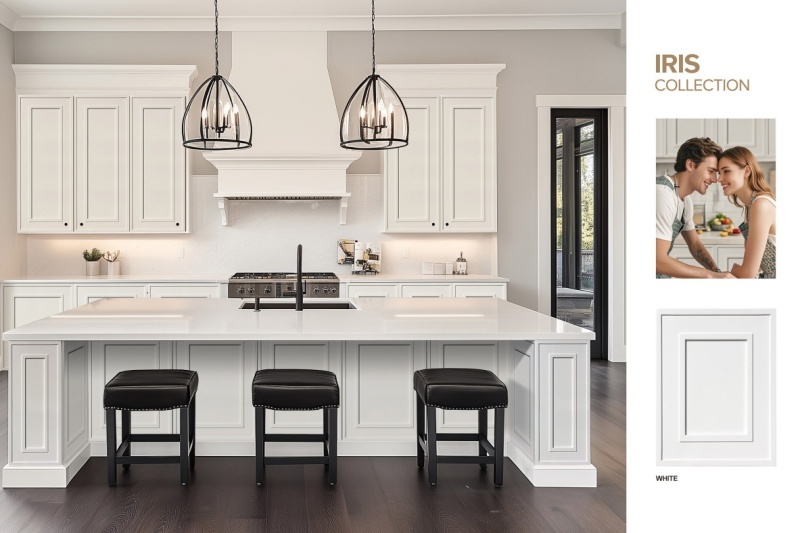
Comparison of Sprayed Wooden Cabinets: White vs. Other Popular Colors
| Cabinet Color | Visual Space Effect | Suitable House Types | Compatible Design Styles | Cleaning & Maintenance |
| Pure White Cabinets | Creates a spacious, bright atmosphere with excellent light reflection | Top choice for small kitchens and poorly lit cooking spaces | Versatile and matches all interior styles | Stains show up immediately; requires frequent cleaning |
| Natural Wood-Tone Cabinets | Delivers a warm, natural vibe full of homely charm | Ideal for medium-to-large kitchens with moderate natural light | Restricted to specific styles (country, vintage, American) | Moderate stain resistance; regular cleaning and maintenance suffice |
| Grey Cabinets | Elegant aesthetic; dark grey visually shrinks space | Best for medium-to-large kitchens with ample lighting | Cool-toned modern style; incompatible with warm interior palettes | Dust and grease are barely noticeable, low upkeep |
| Pure Black Cabinets | Dark and heavy, easily making spaces feel cramped | Suitable only for well-lit open-concept kitchens | Limited styling potential; hard to match warm or country aesthetics | Conceals scratches and stains effectively for easier cleaning |
| Navy Blue Cabinets | Cool, deep shade with strong visual weight | Exclusive to large open-plan kitchens | Highly distinctive; demands coordinated overall soft furnishings | Scratches and stains are not prominent; periodic maintenance is enough |
Is Painting Wooden Kitchen Cabinets White Worth It?
Wooden kitchen cabinets can certainly be painted white. As for whether this renovation is worthwhile, choosing white cabinetry is a wise decision. Repainting cabinets white is a low-risk, visually appealing, and cost-effective kitchen renovation solution perfect for homeowners with tight budgets.
Nevertheless, if you want long-lasting, stain-resistant white wooden cabinets that resist discoloration, it is recommended to purchase finished products from reliable cabinet suppliers. As a Vietnamese cabinet wholesaler, Union Woods supplies competitively priced, high-quality pre-sprayed white wooden kitchen cabinets worthy of your purchase.


 Newsletter
 Español
 IPv6 network supported