
What Are You Looking For?
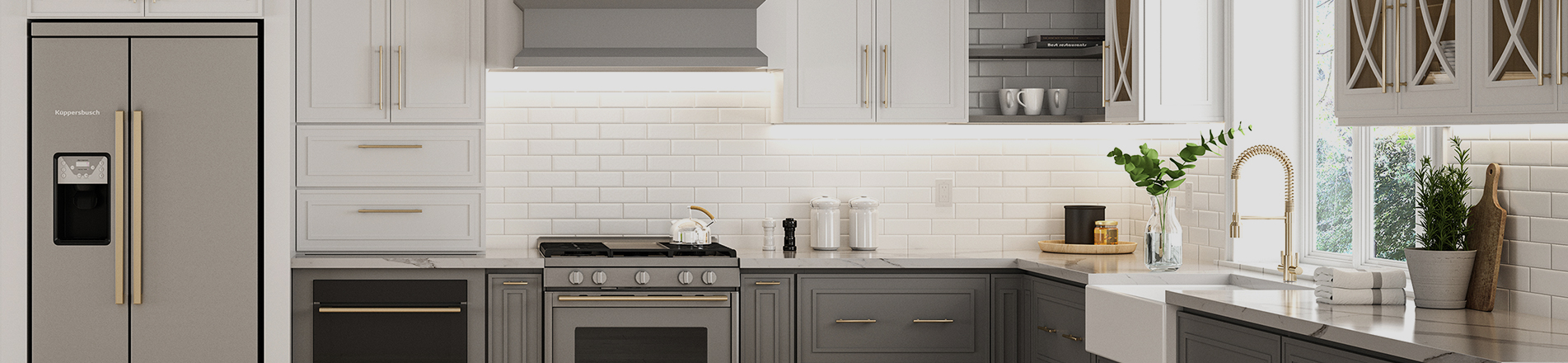
Cabinets serve as the functional core and visual focal point of an entire kitchen renovation. Therefore, beyond aesthetic appeal, the material selection of cabinets is equally critical, as it dictates their functional performance. Solid wood cabinets come with a far higher price tag than engineered wood panels, sparking a key question: are solid wood cabinets truly superior to other composite wood materials such as plywood, MDF, and particleboard?
In truth, solid wood cabinets boast unique structural advantages and aesthetic value that engineered boards cannot replicate, making them the preferable option in multiple regards. Nevertheless, they also present several factors that require careful consideration. This article breaks down all evaluation dimensions to help you make a scientific, forward-thinking, and cost-effective decision when purchasing kitchen cabinets.
What Qualifies as a Genuine Solid Wood Cabinet?
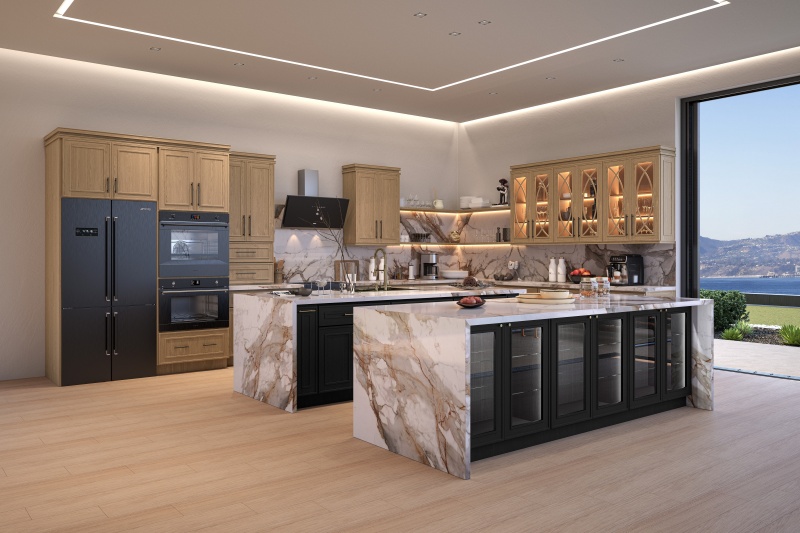
Within the cabinetry industry, authentic solid wood cabinets adhere to strict manufacturing standards that clearly distinguish them from veneered cabinets imitating natural timber. Per industry specifications, a full solid wood cabinet uses 100% natural solid wood for all structural components and exposed surfaces, including cabinet doors, drawer fronts, drawer boxes, cabinet frames, and the entire cabinet carcass.
1. Comparison of Structural Stability
Structural stability determines a cabinet’s practicality, which is especially vital for kitchens—high-traffic spaces subject to year-round fluctuations in temperature and humidity, plus frequent friction and bumps. Solid wood features an intact, continuous network of natural wood fibers, completely eliminating common defects found in engineered panels such as delamination, glue separation, and substrate warping. From this perspective, solid wood kitchen cabinets hold a clear advantage. Drawers, cabinet doors, carcasses and frames crafted from solid wood maintain rigid structural integrity and resist deformation or loosening under long-term static load (holding cookware and tableware) and sudden dynamic impact (unintentional kitchen collisions).
2. Durability and Service Life
Cabinets represent a 20-year or even longer-term investment rather than short-term decorative fixtures, so service life ranks as a top priority for many buyers. A cabinet’s lifespan depends on the timber species, manufacturing techniques, and regular maintenance.
When weighing durability and longevity, solid wood kitchen cabinets outperform all alternative materials. A unique benefit exclusive to solid wood is its repairable and refinishable surface. Scratches, dents and wear on solid wood can be restored repeatedly over decades via sanding, color touch-ups and repainting. In contrast, local damage to MDF or particleboard exposes inner wood particles that are extremely difficult to repair.
Solid wood also boasts superior adaptability to high-temperature and high-humidity kitchen environments, effectively resisting cracking from heat and swelling from moisture. Compared with engineered panels, it maintains consistent structural performance through seasonal temperature and humidity shifts.
3. Aesthetics and Tactile Texture
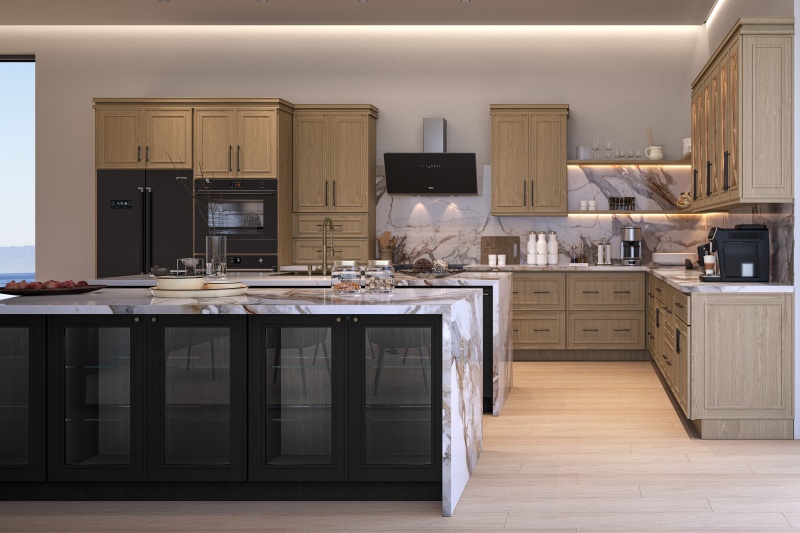
From a design standpoint, solid wood cabinets deliver natural grain patterns and layered visual depth unachievable with engineered wood cabinetry. The grain texture, grain flow, and color tone of every solid wood plank form one-of-a-kind markings shaped by the tree’s natural growth cycle, turning each set of solid wood cabinets into an irreplaceable piece of home furnishing art.
While customized wood-grain melamine flat frameless kitchen cabinets utilize advanced faux wood veneers, their repetitive, rigid patterns lack authentic natural layering and cannot rival genuine solid timber. If you desire a kitchen with rich, premium texture, solid wood cabinets are the optimal choice. Compatible with a full spectrum of high-end finishing techniques, solid wood seamlessly complements vintage, light luxury, pastoral and other kitchen design styles.
Solid wood cabinets possess timeless, enduring appeal. Moreover, when interior design trends shift or personal aesthetic preferences evolve, solid wood cabinets can be fully refreshed through sanding, recoloring and repainting to align with new decor styles. This eliminates the substantial cost of full cabinet replacement amid style updates.
4. Low-Carbon Environmental Protection & Sustainable Development
Indoor air quality is often overlooked during cabinet material selection, yet it merits extra attention in kitchens—confined spaces used daily. Engineered wood production relies heavily on industrial adhesives and synthetic resins. Low-grade panels manufactured with cheap inferior glues continuously release volatile organic compounds (VOCs) and formaldehyde post-installation, failing to meet premium residential air safety standards.
Even reputable manufacturers using eco-friendly adhesives cannot eliminate formaldehyde emissions entirely. Genuine solid wood cabinets, however, feature zero-formaldehyde natural timber substrates. Paired with water-based environmentally safe paint, they reliably safeguard household health.
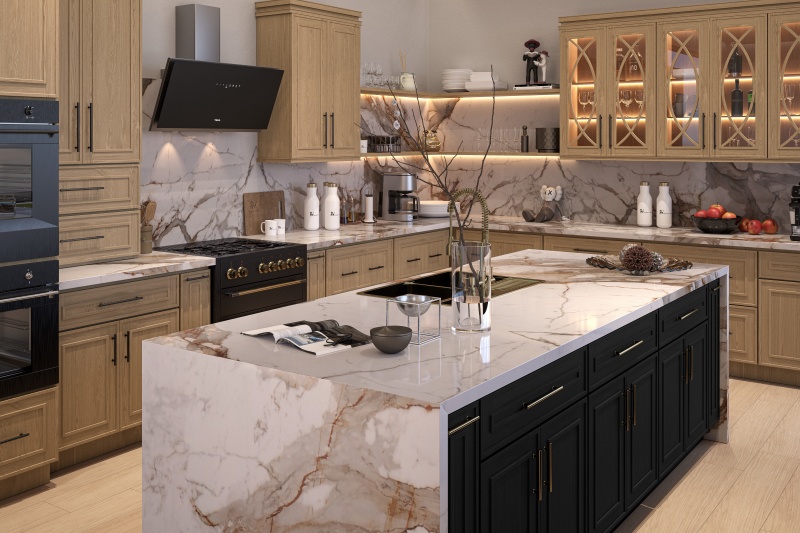
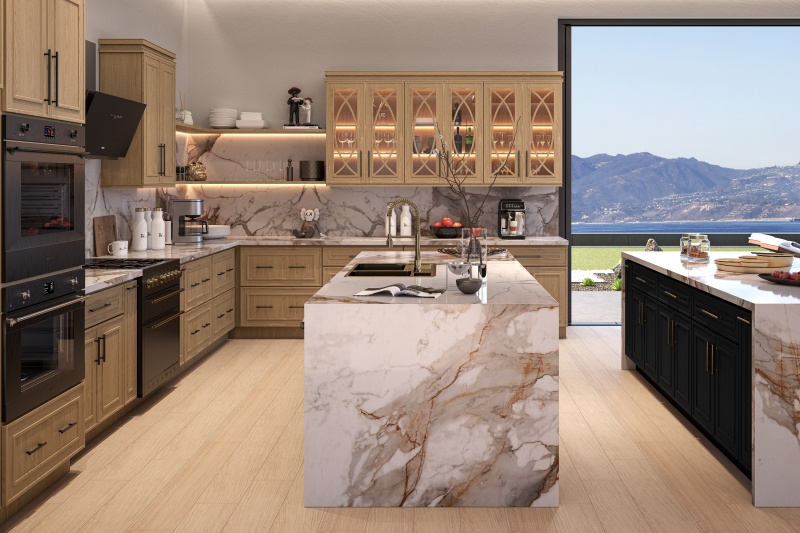
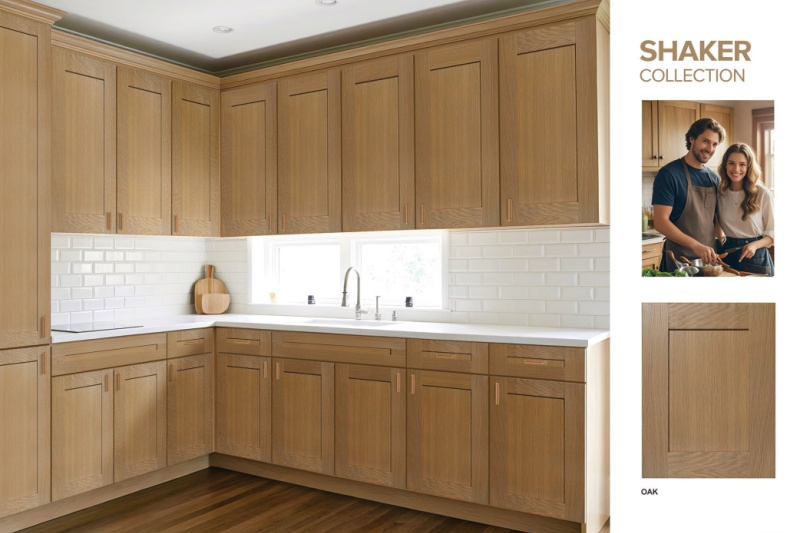
Our bulk-supplied eco-friendly light oak shaker framed kitchen cabinets meet CARB and E0 certification standards, ensuring safe use within enclosed kitchen spaces. Additionally, solid wood is a renewable, biodegradable natural material requiring minimal chemical processing and generating a lower carbon footprint, aligning with modern sustainable development principles.
5. Cost and Value Retention
The steep upfront cost dissuades many buyers from solid wood cabinets, which cost 2 to 4 times as much as particleboard alternatives. While engineered wood appears budget-friendly in terms of short-term expenditure, solid wood cabinets deliver far greater long-term return on investment.
Built to withstand damage and deformation with an extended service life, solid wood cabinets justify their higher initial cost over time. For homeowners seeking cabinetry that retains its value, solid wood is the superior option. When reselling a property, buyers factor kitchen quality heavily into their valuation, and premium solid wood cabinetry significantly boosts the home’s overall market worth.
Disadvantages of Solid Wood Kitchen Cabinets
Although solid wood kitchen cabinets outperform engineered wood panels in most aspects, they still have inherent drawbacks. You need to weigh these downsides to determine if solid wood cabinets are a suitable choice for you.
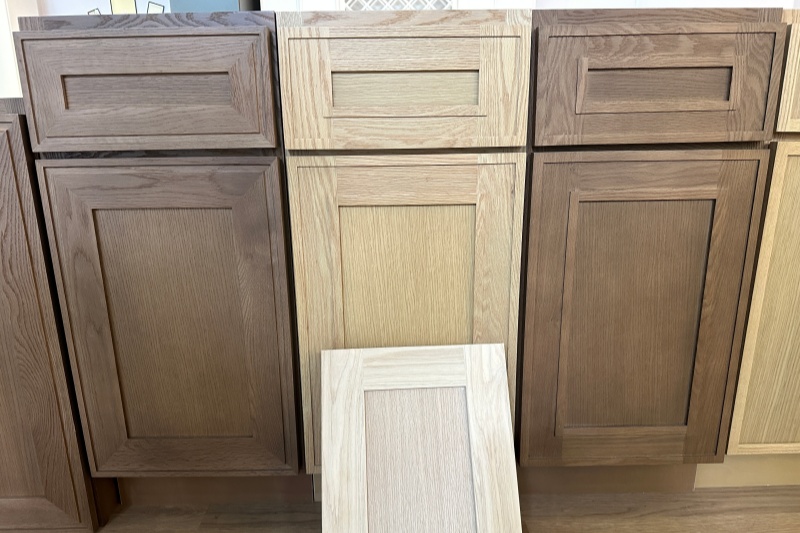
Solid wood cabinets are crafted from premium rare timber varieties. Take natural white oak kitchen cabinets as an example—they are made of American imported white oak, which drives up raw material costs. Complicated solid wood processing techniques further raise overall expenses. Such cabinets are ideal for high-end projects with ample budgets, yet unsuitable for budget-restricted renovations.
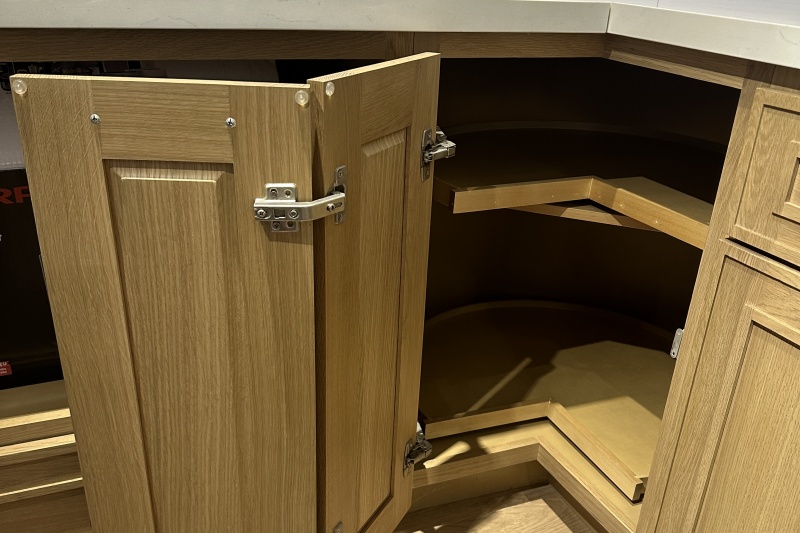
Natural solid wood is hygroscopic and highly sensitive to temperature and humidity fluctuations in kitchens. Without professional stabilizing treatment, the timber easily absorbs moisture and swells or warps, causing issues such as ill-fitting cabinet doors and stuck drawers. Mould growth may even occur in damp surroundings. When exposed to prolonged direct sunlight or high heat, solid wood loses moisture and shrinks, resulting in cracks.
Solid wood cabinets feature weak resistance to acid, alkali and water. Harsh acidic, alkaline or corrosive chemical cleaners will erode the surface paint film. Any water stains on the surface must be wiped off promptly, and regular waxing is required for upkeep. A stable ambient temperature and humidity must be maintained daily, making maintenance rather cumbersome.
Comparison Between Solid Wood Cabinets and Other Mainstream Cabinet Materials
| Comparison Dimension | Solid Wood Cabinets | Plywood Cabinets | MDF / Particle Board Cabinets |
| Service Life | 20–50 years, refinishable and reusable multiple times | 15–20 years, prone to veneer peeling and damage | 10–20 years, non-repairable and non-refinishable |
| Structural Strength | Strong load-bearing capacity, resistant to warping and impacts | Stable structure, decent load-bearing performance | Low density; substrate prone to sagging and deformation |
| Environmental Performance | Zero added formaldehyde, low VOC emissions | Extremely low formaldehyde emission | Releases trace amounts of formaldehyde over time |
| Aesthetic Texture | Unique natural wood grain with three-dimensional organic texture | Monotonous wood grain, lacking depth and texture | Flat printed grain, artificial and unrealistic appearance |
| Repairability | Partial touch-ups and full cabinet refinishing available | Surface damage can be repaired | Full replacement required upon any local damage |
| Upfront Cost | High | Medium-High | Medium |
| Maintenance Difficulty | Annual dedicated upkeep required | Simple routine maintenance | Virtually maintenance-free |
Who Should Choose Solid Wood Cabinets, and Who Should Not?
Suitable Scenarios for Solid Wood Cabinets
Unsuitable Scenarios for Solid Wood Cabinets
Final Verdict: Why Solid Wood Cabinets Are Superior
When evaluated across structural stability, durability, service life and other metrics, high-quality solid wood cabinets surpass all engineered wood alternatives, serving as a premium long-term kitchen solution for owner-occupied homes. Solid wood stands far above all man-made panels in authentic natural grain texture and eco-friendly safety standards.
As a Vietnam-based cabinet wholesaler, Union Woods supplies premium solid wood cabinets, plywood cabinets with performance comparable to solid wood, and cost-effective bulk MDF/particle board cabinet options for mass orders.


 Newsletter
 Español
 IPv6 network supported