
What Are You Looking For?
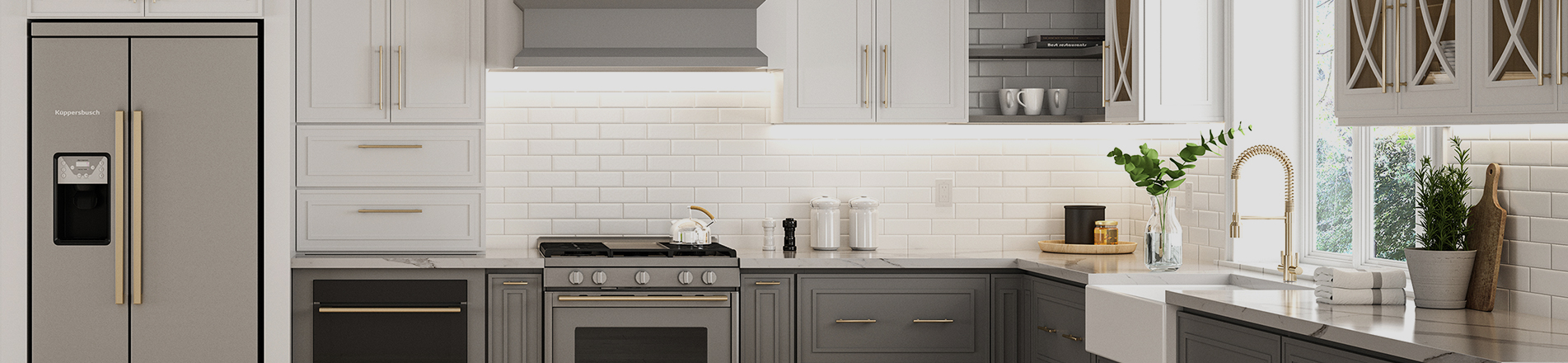
Selecting cabinet material is one of the core decisions that define overall finishing quality during kitchen renovation. A wide array of cabinet surface finishes is available on the current market. Thanks to its well-rounded performance, melamine-finished cabinets have become a mainstream option for residential and commercial kitchen projects. Still, many buyers wonder: are melamine kitchen cabinets of good quality?
High-grade melamine cabinets feature stable construction and outstanding durability, making them ideal for long-term kitchen use. By contrast, low-grade alternatives have notable flaws in durability and safety. For this reason, partnering with a reputable cabinet manufacturer is essential. Union Woods prioritizes product quality above all else, delivering robust, long-lasting cabinets whether finished in melamine or alternative surfacing materials.
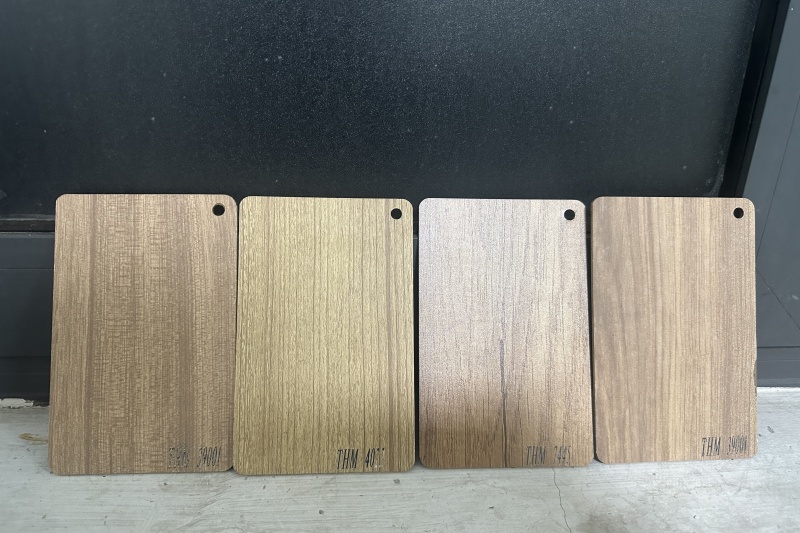
What Are Melamine Cabinets?
Melamine cabinets refer to paint-free cabinetry thermally bonded with melamine-impregnated decorative paper on the surface, consisting of two core components: a base substrate layer and a top melamine resin finish layer.
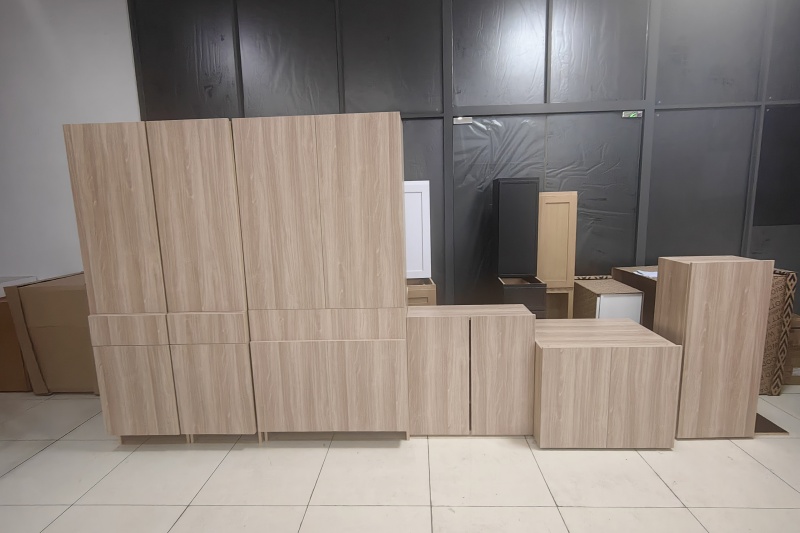
Physical & Chemical Properties of Melamine Cabinet Panels
The physical and chemical traits of melamine cabinet boards stem from both their top finish and underlying substrate.
Physical Properties
Melamine panels boast smooth, flat surfaces with strong anti-deformation and abrasion-resistant properties. Particleboard or MDF substrates deliver superior screw holding power, compression resistance and load-bearing capacity, while plywood substrates excel in moisture resistance, maintaining stable dimensions without bulging or swelling in humid kitchen environments.
Chemical Properties
The protective film formed on melamine surfaces endows panels with exceptional resistance to corrosion, acid, alkali, heat damage and staining. Additionally, melamine boards consume relatively less adhesive during production, rendering them an eco-friendly option. A key maintenance note: despite the stain and chemical resistance of melamine veneers, cabinet panels must never be left submerged in standing water for extended periods, as prolonged water exposure triggers edge banding splitting and exposes the raw inner substrate.
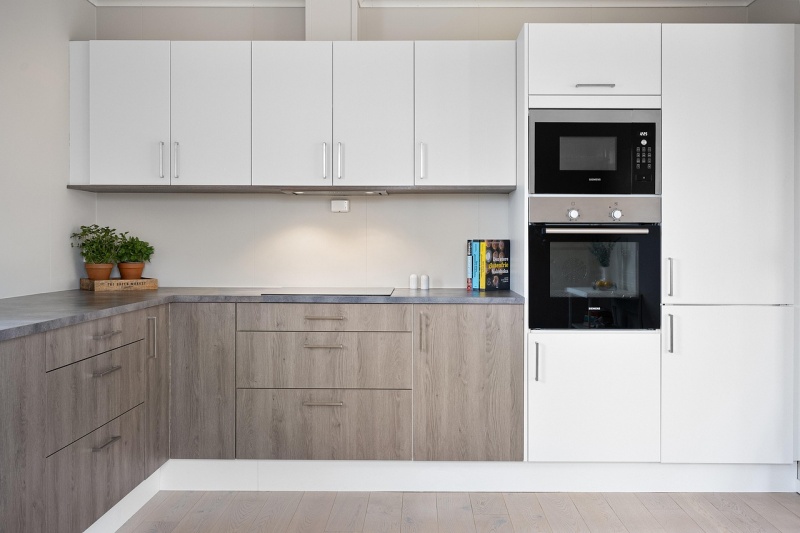
Advantages & Disadvantages of Melamine Cabinets
With a clear understanding of melamine’s core properties, its inherent pros and cons help accurately assess the overall quality of melamine kitchen cabinetry.
Key Advantages
Primary Disadvantages
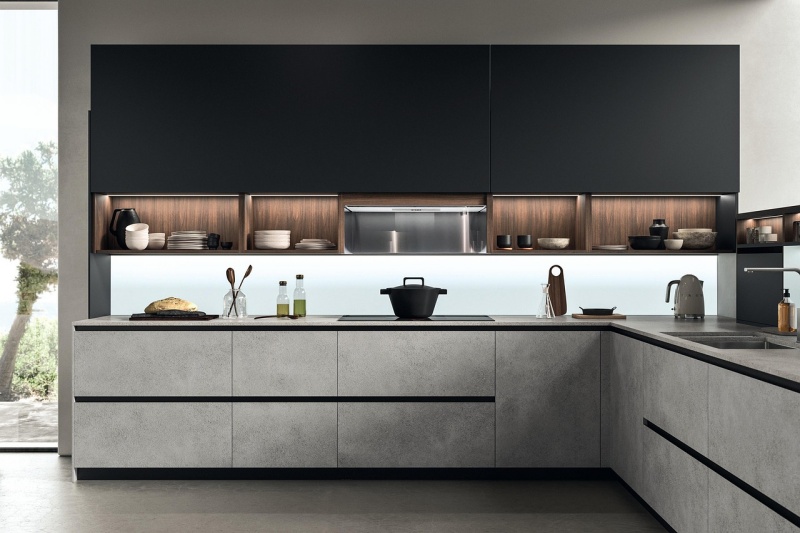
Comparison Between Melamine Cabinets and Alternative Cabinet Types
To intuitively evaluate melamine cabinet quality, we conduct a comprehensive side-by-side comparison against cabinetry crafted from solid wood, UV-coated boards and thermofoil boards.
| Material | Wear Resistance | Moisture Resistance | Service Life | Cost Performance | Maintenance Difficulty |
| High-grade Melamine Board | Excellent | Good (fully edge-sealed construction) | Over 15–20 years | Highest | Extremely low |
| Solid Wood | Moderate | Poor (prone to moisture-induced warping & deformation) | 20–30 years | Relatively low | Extremely high (requires regular waxing maintenance) |
| Lacquered Board | Moderate (susceptible to scratches) | Good | 15–20 years | Medium-low | Moderate (prone to color fading) |
| Thermofoil Board | Below average | Depends on edge sealing quality | 10–15 years | Relatively high | Low |
Comparative Summary: Among mid-range cabinet materials, melamine cabinets deliver the best overall quality and cost-performance ratio. Though certain individual properties fall slightly short of solid wood alternatives, they outperform other mainstream materials significantly in structural stability and practicality, making them ideal for mid-budget commercial developments and bulk renovation projects.
How to Identify High-Quality Melamine Cabinets
The quality of melamine cabinets hinges heavily on raw material selection and manufacturing craftsmanship. Many low-grade laminated sticker panels on the market are fraudulently sold as premium melamine boards, hence proper identification skills are essential to source qualified products.
1. Edge Banding Inspection: Premium melamine cabinets adopt laser or PUR seamless edge sealing technology, yielding smooth, gap-free, burr-free fully enclosed cut edges. Inferior counterparts mostly rely on manual edge sealing, marked by conspicuous joint lines and frequent glue delamination.
2. Environmental Certification Check: Request formaldehyde emission test reports from suppliers and prioritize boards certified to E0 standard, which boasts lower formaldehyde emissions than E1 and E2 grades for superior environmental performance. All melamine veneer kitchen cabinets supplied by our Vietnam-based cabinet factory comply with E0 emission requirements.
3. Surface Flatness & Grain Observation: Top-tier melamine cabinet surfaces are free of blisters, pits, bulges and uneven coloration with a dense, sleek touch and crisp consistent grain patterns. Counterfeit sticker panels feature hidden glue lines and irregular, messy wood grain.
4. Abrasion Resistance Test: Scratch the surface gently with hard objects such as coins or keys. Qualified panels remain scratch-free, while inferior alternatives easily sustain permanent scrape marks.
Maintenance Tips for Melamine Cabinets
Service life of melamine cabinets is determined not only by material and workmanship but also routine maintenance; standardized upkeep prevents common material faults and extends product lifespan:
Final Verdict: Are Melamine Cabinets Reliable in Quality?
Comprehensive analysis covering material composition, production craftsmanship, performance metrics and practical application draws a definitive conclusion: melamine kitchen cabinets manufactured by legitimate manufacturers with standardized raw materials and compliant workmanship deliver outstanding practicality and durability, serving as an excellent kitchen renovation option. Their inherent merits of wear resistance, moisture proofing, eco-friendliness and stable construction fully satisfy long-term residential usage demands.
Poor-quality melamine cabinets available commercially stem exclusively from shoddy raw materials and sloppy production. Reach out to Union Woods, your professional cabinet supplier, to access competitive pricing. Melamine cabinets eliminate the exorbitant maintenance expenses of solid wood cabinets and avoid the fragility flaws of low-end lacquered cabinets, striking an optimal balance among quality, cost and functionality.
Suitable Users & Application Scenarios: Private household installation, rental property refurbishment, cost-effective custom cabinet projects, and mid-budget engineering construction programs.
Unsuitable Application Scenarios: High-end luxury interior design requiring authentic natural solid wood texture, and commercial kitchens with continuous high-temperature intensive operation.


 Newsletter
 Español
 IPv6 network supported