
What Are You Looking For?
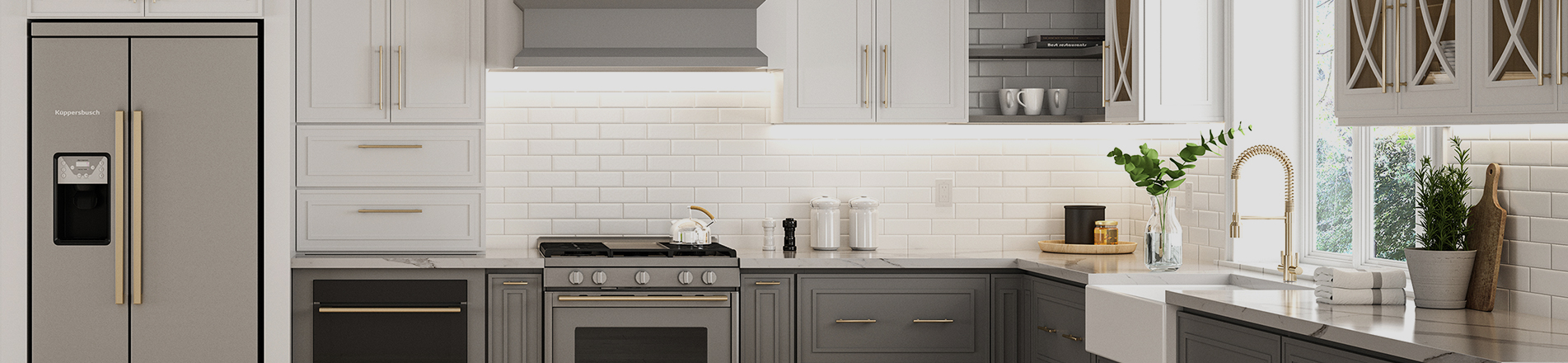
Hardware accessories serve as decorative accents for kitchen cabinets. While the performance of kitchen cabinets is undoubtedly important, handles, as key hardware components, hold equal significance and directly impact the convenience of daily use. There is a wide variety of cabinet handle options on the market, with knob handles and bar pull handles being the two most mainstream styles. When matching cabinet handles, apart from personal preference, you can also make choices based on ergonomics, design principles and practicality. Is it okay to mix knobs and pulls on cabinets?
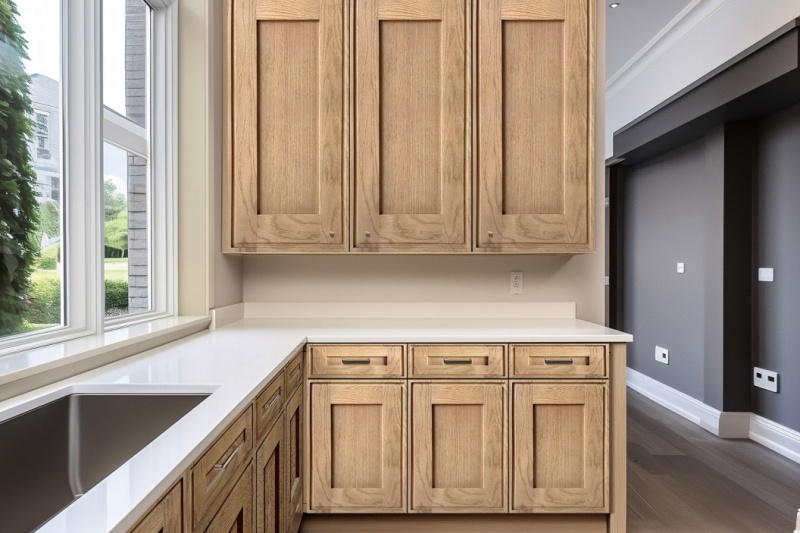
Concept of Knobs and Pulls
Before discussing whether knobs and pulls can be mixed and matched, it is essential to first understand their design features and usage methods. Only by clarifying the definition and core advantages of these two types of hardware can you make selections according to your actual needs, instead of merely focusing on appearance.
A cabinet knob is a compact piece of hardware, usually fixed in place with a single screw. It comes in a rich variety of shapes, with round being the most common, alongside square, oval and decorative styles. It also offers an extensive range of color options, with its defining features being a compact and minimalist design.Using a knob requires precise gripping with the thumb and fingertips to open cabinet doors. It is ideal for lightweight cabinetry and is commonly paired with classic, traditional and transitional interior styles.
A cabinet pull is an elongated hardware piece secured by two screws. It provides a larger gripping surface, allowing for effortless pushing and pulling. Available in multiple lengths and styles, pulls perfectly align with ergonomic design for heavy-duty or frequently used cabinets. They are the most widely adopted hardware option for modern-style kitchens. With proper color and style selection, pulls can also complement traditional kitchen spaces beautifully.
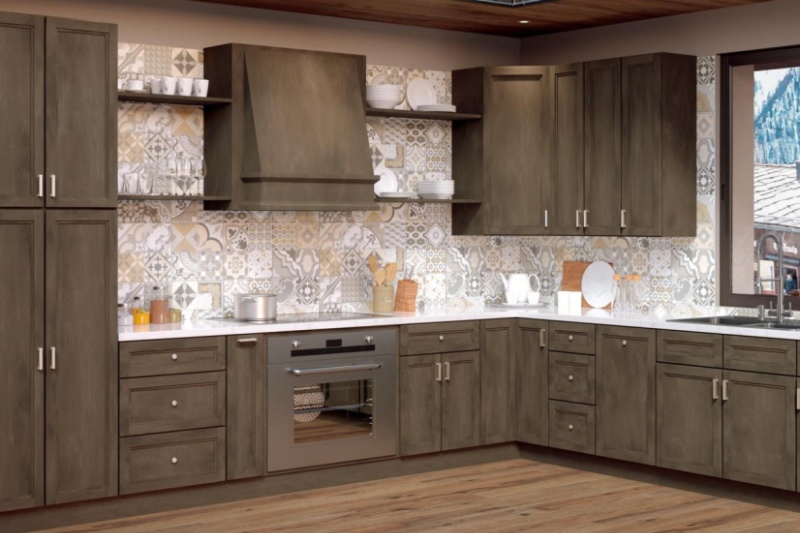
Mixing Knobs and Pulls Is Feasible
Many homeowners worry that mixing knobs and pulls will make cabinets look messy and disrupt the overall design unity. In fact, the opposite is true: strategic mixing and matching can not only enhance functionality but also elevate aesthetic appeal. Following the matching suggestions below will often deliver a better effect than using a single style uniformly.
1. Prioritize Functionality
The core reason for mixing knobs and pulls on cabinets lies in ergonomic suitability, as both gripping methods fit the natural movement of human hands. When prioritizing functionality, you can choose hardware based on the installation position on cabinets. This helps reduce physical strain, improve comfort, and extend the service life of cabinets.
Detailed application by usage scenario:
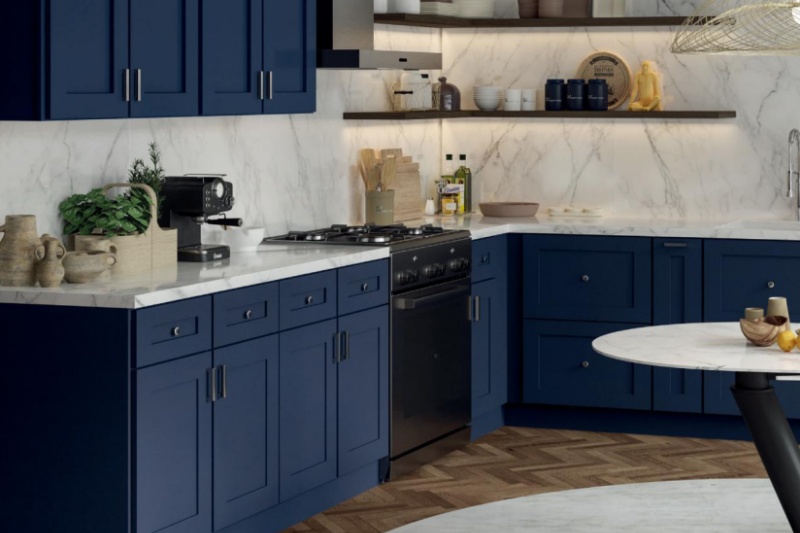
2. Prioritize Aesthetics
If you prioritize the overall aesthetic of kitchen design, mixing knobs and pulls adds visual interest without compromising overall harmony. When all cabinets adopt identical handle styles and colors, large kitchens tend to look monotonous and plain — unified in vision yet lacking design highlights. Mixed matching creates a layered design effect, adding unique character to the space instead of a rigid, template-style layout.
Practical application guidelines:
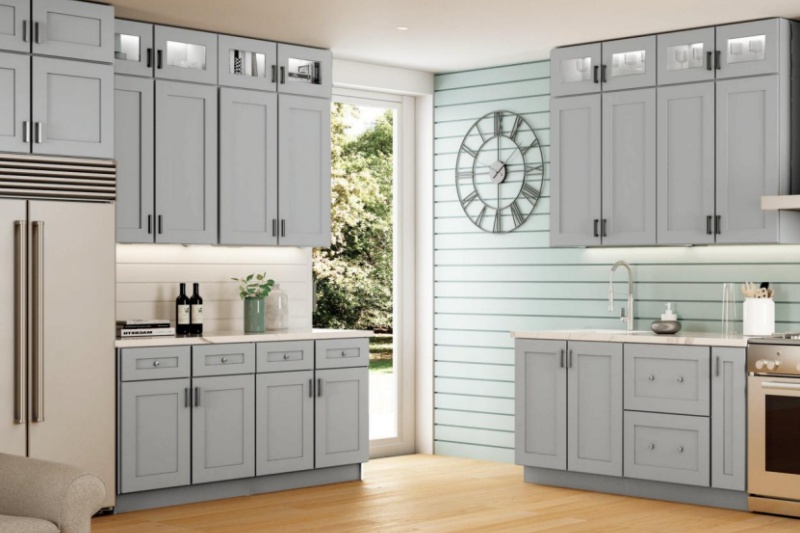
Principles of Mixing Knobs and Pulls on Cabinets
It is acceptable to mix knobs and pulls on kitchen cabinets, but only by following proper methods can your cabinet hardware look cohesive and well-planned. Avoid random combinations and abide by the following principles.
Principle 1: Keep the Same Finish
The key to overall harmony lies in consistent surface finishes. Knobs and pulls do not need to be identical in style; they only require a matching finish. The finish includes not only color, but also texture (such as brushed and polished) and tone (warm tone, cool tone).
Coordinated Finish Matching Examples
Tip: Avoid mixing more than two types of hardware finishes. Using three or more finishes (such as brass, nickel, and chrome) will make the space look messy instead of deliberately styled.
Principle 2: Set Clear Installation Rules
Consistency in installation positions is essential. It is necessary to set simple installation rules and follow them strictly — this is the key to making mixed pairings look intentional rather than random.
Tip: Do not mix knobs and pulls on cabinets with the same function (e.g., adjacent wall cabinets with random use of knobs and pulls). This breaks visual fluency and looks unplanned.
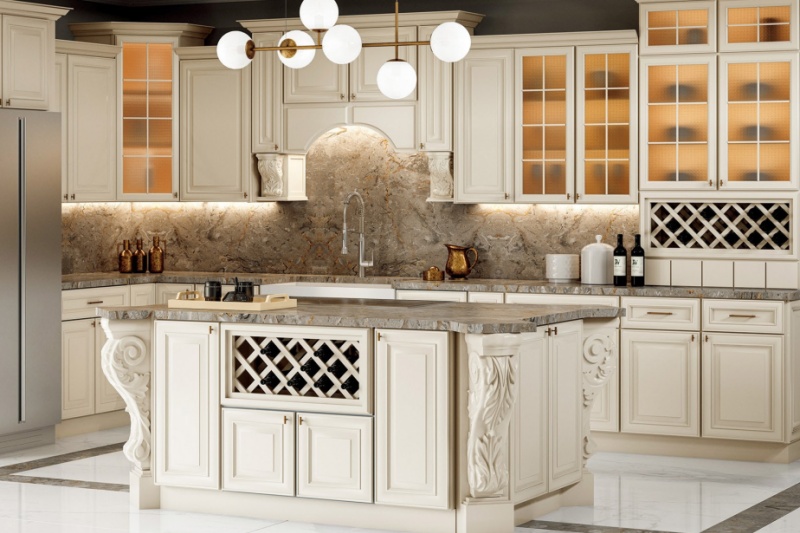
Principle 3: Limit Style Differences
Though knobs and pulls can be mixed, avoid blending multiple styles within the same hardware category. Do not use ornate decorative knobs together with minimalist round knobs on the same set of cabinets. Stick to one knob style and one pull style to ensure cohesion while creating subtle visual contrast.
Coordinated Style Combinations
Principle 4: Match Hardware with Cabinet Style
Knobs and pulls must align with the overall cabinet design. No matter how well planned the layout is, mismatched hardware will always look out of place. Below are hardware matching suggestions for common cabinet styles:
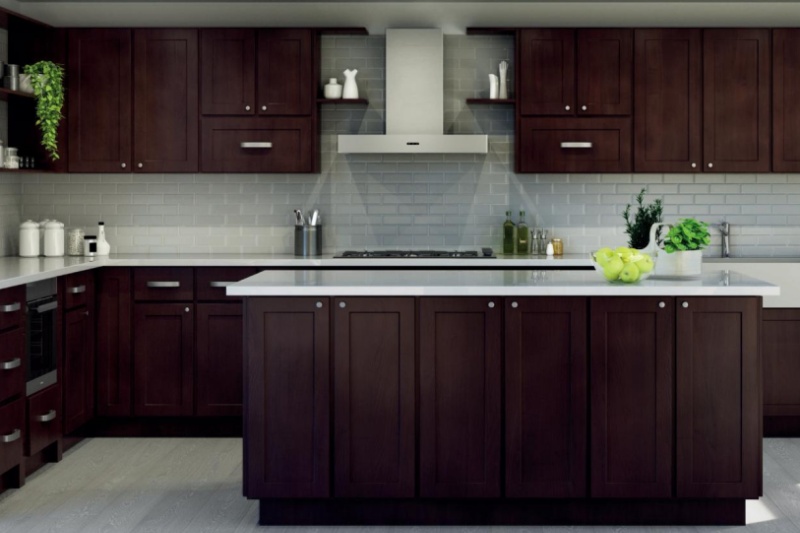
Final Summary: Mix with Intention and Design Boldly
So, can you mix knobs and pulls on kitchen cabinets? The answer is absolutely yes — as long as you pair them with clear intention. The best cabinet hardware design strikes a perfect balance between functionality and aesthetics, and combining knobs and pulls is an ideal way to achieve this harmony.
Follow professional principles: consistent finishes, clear installation rules, restrained stylistic differences, and coordination with the overall cabinet style. By doing so, you can create a space that is refined, practical, and full of personal taste.
Keep in mind: Hardware is far more than just a decorative touch; it is a functional element you use every single day. Do not hesitate to mix knobs and pulls to make your cabinets better serve you and your space. When styled properly, this is not only a viable option, but also a design choice that elevates the overall texture of the entire room.


 Newsletter
 Español
 IPv6 network supported