
What Are You Looking For?
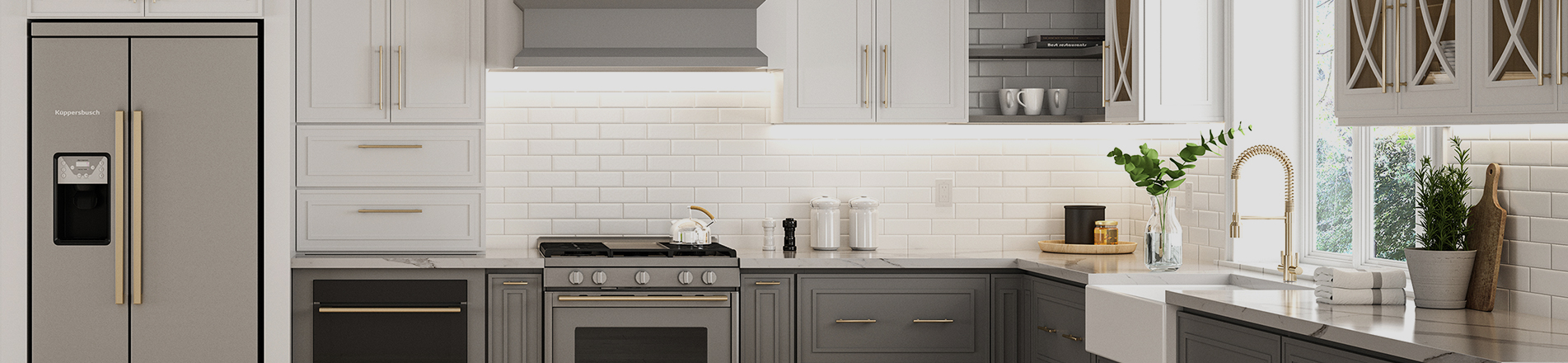
A suitable cabinet style not only adds character to the kitchen but also enhances functionality. In terms of cabinet categorization, two popular types are inset cabinets and regular cabinets (commonly known as overlay cabinets in the industry). There are significant differences between them in terms of structure, construction, and aesthetic appearance. So, what exactly sets inset cabinets apart from regular cabinets?
Cabinet Structure & Design Philosophy
First, let’s clarify the concepts of inset cabinets and regular cabinets.
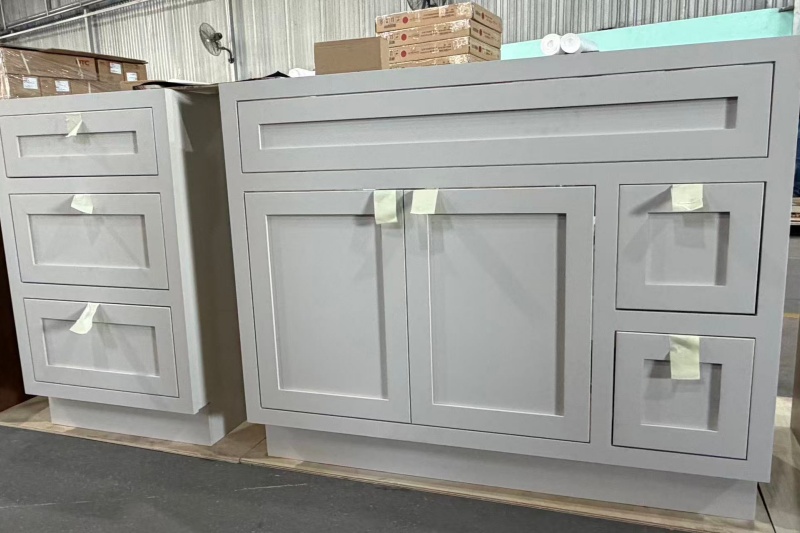
Inset cabinets represent a high-end style, where cabinet doors and drawers fit flush within the cabinet frame, creating a seamless, integrated visual effect.
Regular (overlay) cabinets have doors and drawers that cover the cabinet frame, and are further divided into full-overlay and partial-overlay cabinets. Among them, full-overlay cabinets completely conceal the frame and are the most common style on the market today.
Structural Design of Inset Cabinets
Inset cabinets are built around a face frame—a wooden frame surrounding the front of the cabinet box. At Union Wood, we use solid wood for the frame to ensure overall structural sturdiness.
Doors and drawers are custom-sized to fit precisely inside the frame, sitting perfectly flush with the frame when closed. This design delivers a smooth, uniform appearance with extremely narrow gaps between doors, drawers, and the frame, highlighting symmetrical beauty and exquisite craftsmanship.
Structural Details of Inset Cabinets
Structural Design of Regular (Overlay) Cabinets
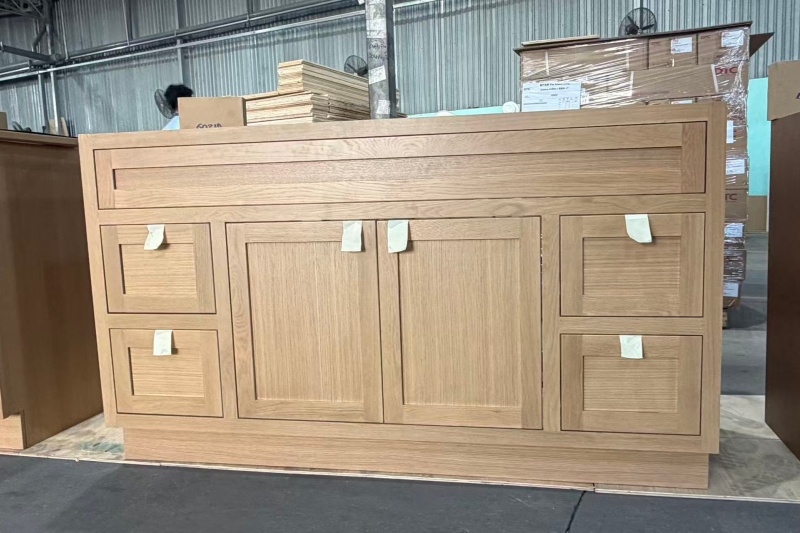
Regular cabinets focus on practicality and ease of installation. Unlike inset cabinets, doors and drawers mount over the cabinet frame. They are mainly divided into two types:
For framed cabinets, the doors and drawers completely cover the cabinet frame, leaving only extremely narrow gaps between adjacent doors, creating a clean, modern look where the frame is barely visible.For frameless cabinets, the doors and drawers fully cover the cabinet box, with only the door panels visible from the front.
These cabinets must have a frame. The doors and drawers cover only part of the frame, leaving portions of the frame edges exposed. This style is more traditional.
Structural Details of Regular Cabinets
1. Aesthetic Differences: Elegant & Refined vs. Versatile & Flexible
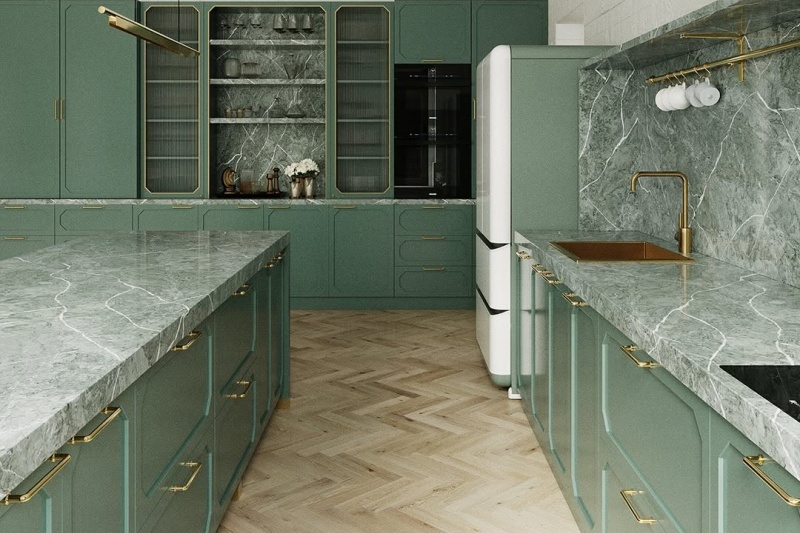
Appearance is often the top consideration when choosing cabinets. Inset cabinets and regular (overlay) cabinets offer completely different visual effects to meet diverse design needs. You can choose according to your ideal kitchen or bathroom style.
Inset Cabinets: Exquisite & Sophisticated
Inset cabinets feature a flush, seamless design that creates a clean, neat, and high-end look. Their symmetrical, refined appearance is ideal for spaces that emphasize order and elegance, such as traditional kitchens, high-end restaurants, and luxury bathrooms.
The exposed frame surrounding doors and drawers adds depth and texture. Solid wood frames are durable and resistant to warping over time, balancing beauty and practicality. However, inset cabinets have limited style compatibility and work best with traditional and transitional designs.
Regular (Overlay) Cabinets: Highly Flexible & Adaptable
Regular cabinets come in diverse styles and do not require a fixed face frame. The overlay design offers great flexibility in door styles, cabinet structures, and finishes.
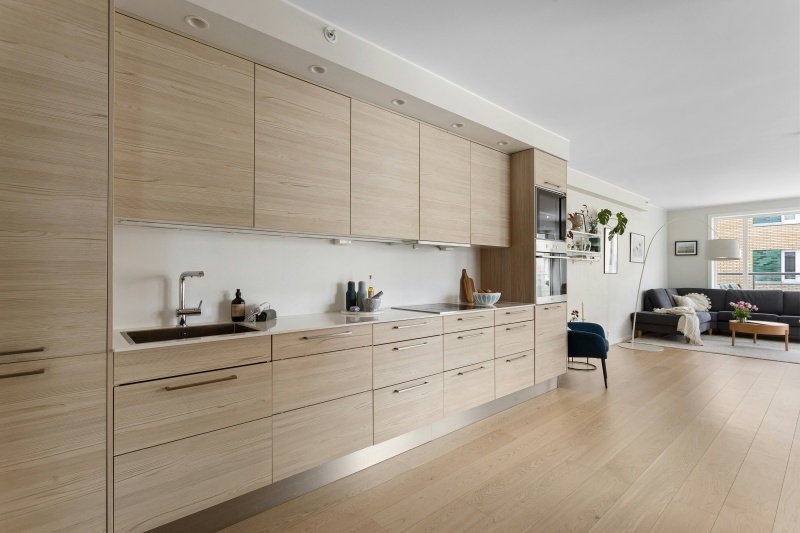
Regular cabinets work with various door styles, including flat panel, slim shaker, shaker, and double shaker doors. Full-overlay designs have narrow gaps between doors, maintaining a clean, modern look while suiting multiple kitchen styles.
2. Differences in Functionality & Practicality
While appearance matters, functionality is equally important, especially for daily heavy-use cabinets. Inset and regular cabinets differ significantly in performance.
| Features | Built-in Cabinets | Standard Cabinets |
| Storage Capacity | Doors occupy internal space, resulting in relatively smaller storage | Frameless cabinet body maximizes internal storage space |
| Door Opening & Clearance | Small opening angle, inconvenient for placing items | Large opening angle, easy to access items at the back, less collision |
| Maintenance Difficulty | Requires careful maintenance to preserve appearance | Fewer gaps, good dustproof performance, high tolerance for deformation, simple maintenance |
| Durability | Strong frame rigidity, doors not easy to deform or sag, more stable hardware installation | Good structural durability, subject to base material; frameless cabinets made of cheap wood have poor durability |
| Installation & Repair | High customization, precise adjustment of accessories & hinges, difficult installation, labor-intensive maintenance | High standardization, easy-to-source accessories, simple and convenient installation, replacement & repair |
3. Differences in Craftsmanship & Cost
Beyond aesthetics and functionality, price is a key factor. Cost variations between inset and regular cabinets are directly related to craftsmanship requirements and material quality.
Inset Cabinets: Premium Craftsmanship, Higher Price
Inset cabinets are high-end products, with prices reflecting their precision manufacturing. Strict dimensional accuracy increases material waste and labor costs. They typically use premium materials: solid wood frames, high-quality plywood boxes, and specialized hinges. These materials are durable and attractive but more expensive.
Regular Cabinets: Economical & Convenient, Widely Popular
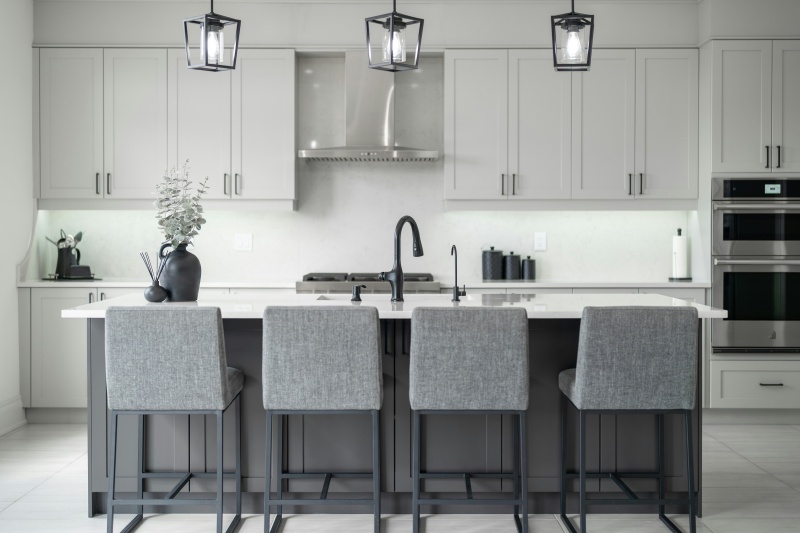
Regular cabinets are the most affordable option due to mass production and simple construction.
Professional Advice: How to Choose?
The choice between inset and regular cabinets depends on three core factors: budget, design vision, and lifestyle.
Choose Inset Cabinets if:
Choose Regular (Overlay) Cabinets if:
Conclusion
Built-in cabinets and standard cabinets are two distinct styles, each with its own advantages and disadvantages. Built-in cabinets feature timeless elegance, high-end craftsmanship and a custom finish, but come with a higher cost and greater maintenance difficulty. Standard cabinets are practical, economical, flexible and diverse, making them the top choice for most households.
Ultimately, there is no "better" option—only the one that better suits your needs. If you still have doubts, we recommend consulting Union Wood. As a Vietnamese cabinet supplier, our professional design team will help you make an informed decision based on your space layout, budget and design goals. Regardless of which cabinet type you choose, investing in high-quality materials and professional installation ensures long-term durability, while enhancing the aesthetic appeal and functionality of your home.


 Newsletter
 Español
 IPv6 network supported