
What Are You Looking For?
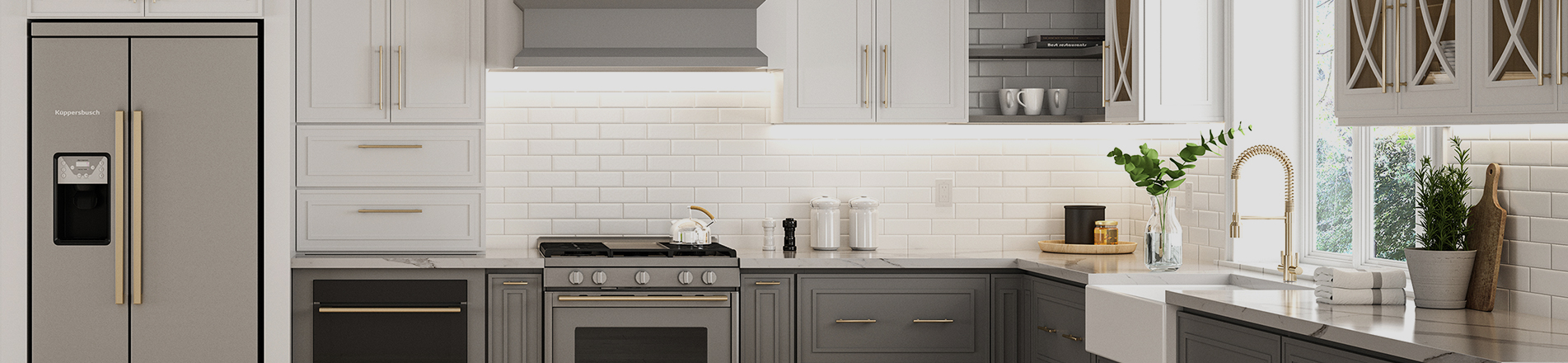
The appearance of cabinets lies in many details. Even the way cabinet doors cover the cabinet frame affects how your cabinets look. A well-chosen style can make your kitchen look more upscale. Full overlay and partial overlay cabinets are two highly popular options. While their storage functions are quite similar, they differ in design, practicality and craftsmanship. So which is better: full overlay or partial overlay cabinets? We will analyze each key aspect of these two cabinet styles.
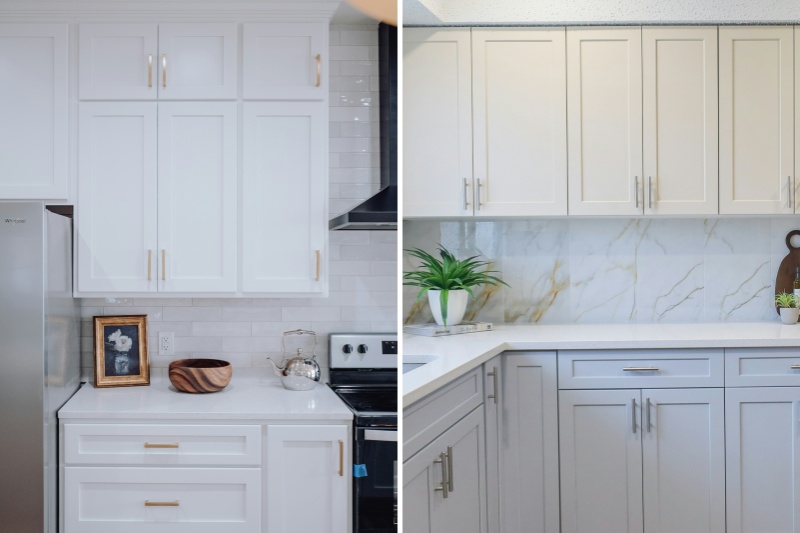
What Are Cabinet Overlay Styles?
Cabinet overlay refers to how much cabinet doors and drawer fronts cover the cabinet face frame. Besides full overlay and partial overlay, there are also inset kitchen cabinets, each offering a unique aesthetic. These subtle details may seem insignificant, but they greatly impact the overall look of the space and the daily maintenance of cabinets. Both full overlay and partial overlay cabinets fall into the overlay category (as opposed to inset cabinets, where doors are fitted inside the frame), yet they differ in coverage, style and functionality.
In short: full overlay cabinets completely cover the face frame, while partial overlay cabinets leave part of the frame exposed.
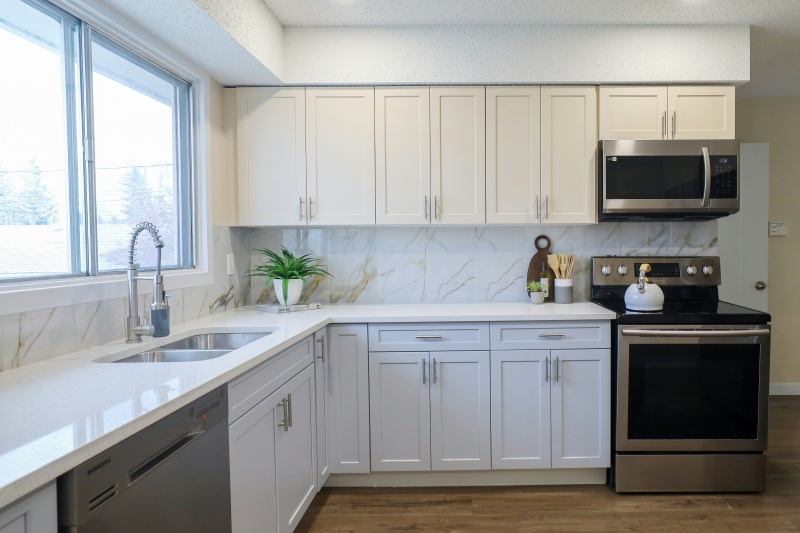
Full Overlay Cabinets – Defined as Sleek, Seamless and Modern
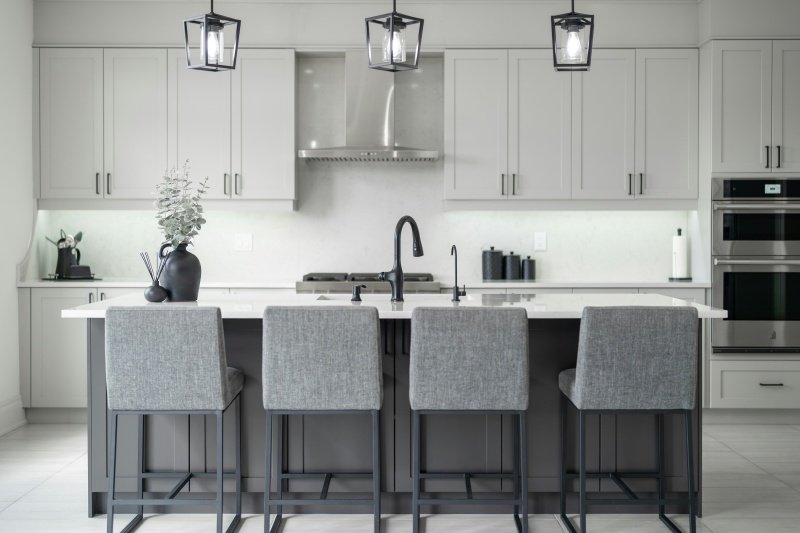
Full overlay cabinets are designed so that doors and drawer fronts cover nearly the entire cabinet face frame, or the cabinet box in frameless designs. When closed, only extremely small gaps are visible between adjacent doors and drawers, creating a smooth, continuous surface. This style highlights the cabinet material, finish and proportions rather than structural details.
Features of Full Overlay Cabinets
Partial Overlay Cabinets – Defined as Classic and Traditional
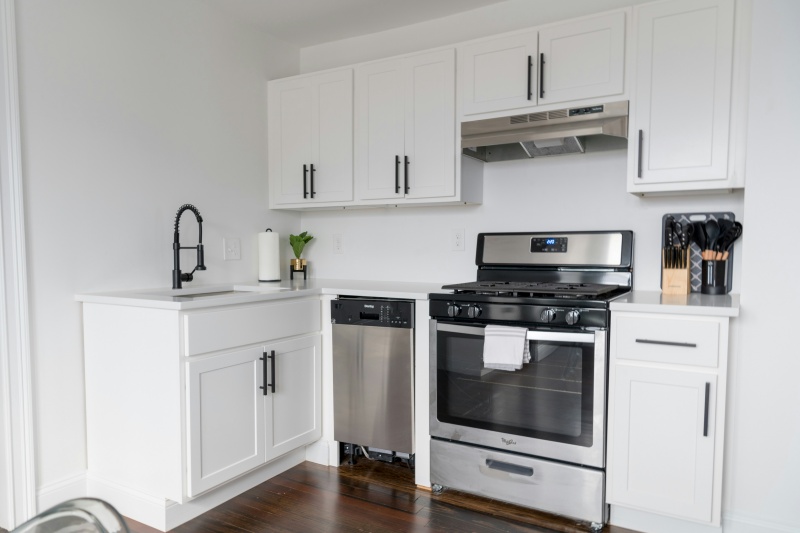
Often referred to as standard overlay cabinets, partial overlay cabinets have doors and drawer fronts that cover only part of the cabinet face frame, typically leaving a visible border around each door and drawer opening. The exposed face frame creates clear visual divisions, delivering a classic, traditional aesthetic that has long been popular in the market.
Features of Partial Overlay Cabinets
With partially covering doors, the exposed face frame adds layers and design details to cabinets, suiting decor styles that are simple yet detailed.
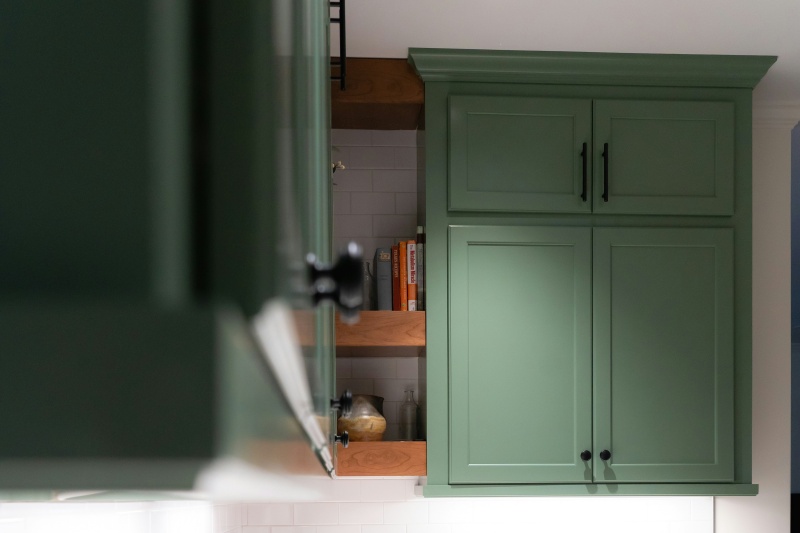
Pros and Cons: Full Overlay vs. Partial Overlay Cabinets
Advantages of Full Overlay Cabinets
Advantages of Partial Overlay Cabinets
Disadvantages of Full Overlay Cabinets
Disadvantages of Partial Overlay Cabinets
Full Overlay vs. Partial Overlay Cabinets: Feature Comparison
To truly understand which style best suits your space, we’ve compared key characteristics side by side. Analyzing these points will help you weigh tradeoffs and prioritize what matters most to you, so you can decide which is better.
| Feature | Full Overlay | Partial Overlay |
| Appearance | Covers almost the entire face frame, creating a clean, sleek, seamless look. | Covers roughly half the face frame; frame remains visible when closed, adding layered, traditional detail. |
| Storage Space | Maximized, with wider cabinet openings. | Slightly less usable space, as the exposed frame narrows the opening. |
| Installation Difficulty | Requires precision and professional installation; misalignment is highly visible. | Easier to install with higher tolerance for minor adjustments. |
| Cleaning | Minimal gaps, so dust and debris are less likely to collect; easy to clean and maintain. | Exposed frame and gaps trap dust and grime easily; requires more frequent cleaning. |
| Weight Capacity | Structurally stable with strong weight support, ideal for heavy doors or high-load applications. | Lower weight capacity; hinges may loosen over time with heavy doors or frequent use. |
| Cost | Generally higher cost | More budget-friendly, suitable for large-scale projects with limited budgets. |
| Recommended Style | Modern, minimalist, transitional, high-end designs | Traditional, farmhouse, cottage, retro styles |
| Cabinet Compatibility | Works with both framed and frameless cabinets | Only compatible with framed cabinets |
So, Which Is Better? It Depends on Your Needs
In fact, there is no absolute winner between full overlay and partial overlay cabinets. Both styles suit different users, spaces and design preferences. To help you make a decision, ask yourself these key questions:
1. What kitchen style are you going for?
If your dream kitchen is modern and minimalist, with clean lines and minimal visual clutter, full overlay cabinets are the best choice. Full overlay Shaker cabinets, in particular, have a timeless appeal. If you prefer a traditional, warm look, partial overlay cabinets are more suitable — they are ideal for farmhouse, cottage and classic American-style kitchens.
2. What is your budget?
If you are working with a tight budget, partial overlay cabinets are the more economical option, helping you save on both materials and installation. If you are willing to invest more for a high-end, elegant look, the extra cost of full overlay cabinets is worthwhile. Full overlay white cabinets are especially timeless and cost-effective in the long run.
3. How big is your kitchen space?
For a small kitchen, full overlay cabinets are recommended to avoid a cluttered, cramped appearance. For larger kitchens, both full overlay and partial overlay cabinets work well.
Final Thoughts: Making the Right Choice for Your Kitchen
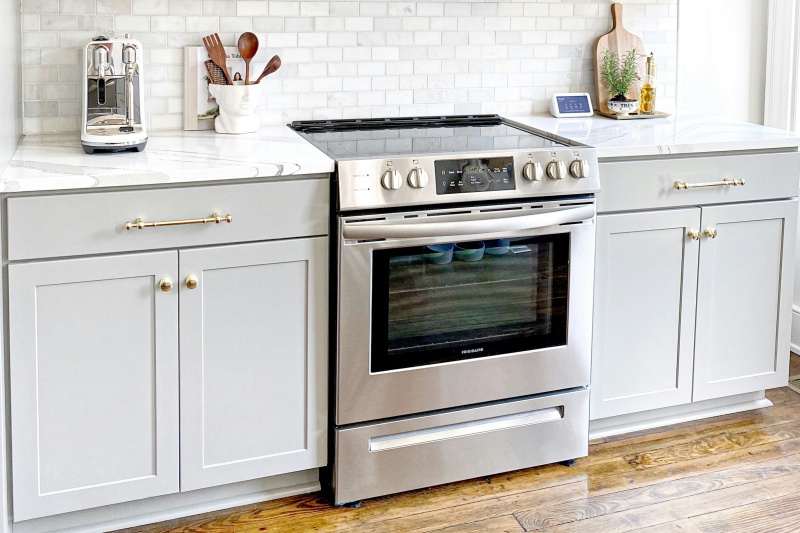
Choosing between full overlay and partial overlay cabinets ultimately comes down to balancing your aesthetic preferences, budget and lifestyle. There is no wrong choice — only the one that fits you best.
To summarize:
Whichever style you choose, remember that cabinets are a long-term investment. Take your time to consider all options, and feel free to consult us if you are unsure.Union Wood has a professional design team to help you make the right decision. We offer a wide range of cabinet styles, including the Slim Shaker series, Shaker series, Double Shaker series and more, ensuring your cabinets are not only beautiful but also highly functional for years to come.


 Newsletter
 Español
 IPv6 network supported