
What Are You Looking For?
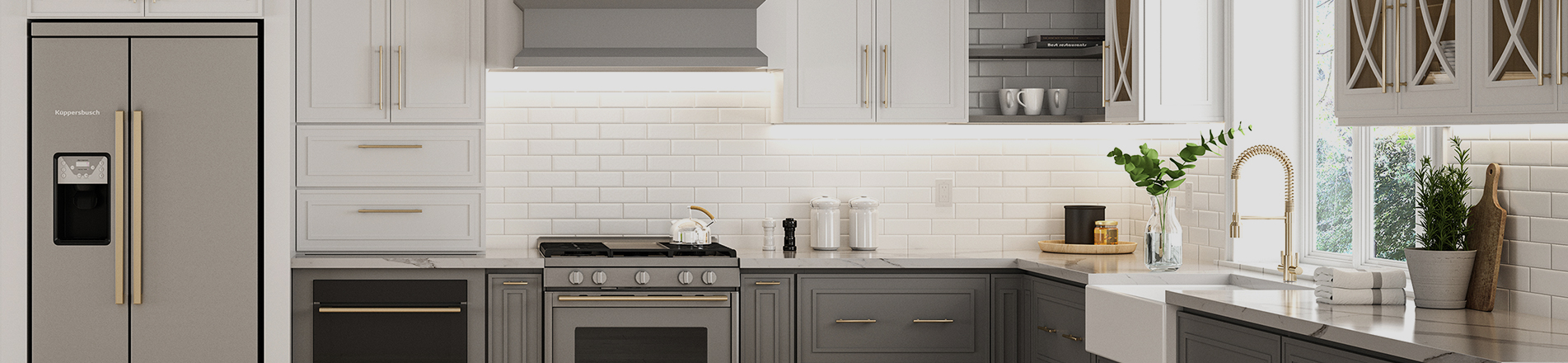
When choosing kitchen furniture, many people wonder whether they need kitchen cabinets or cupboards—and you are not alone. These two terms are often used interchangeably, but they are actually completely different things, with obvious distinctions in design and function. So it is necessary to tell them apart. Next, we will break down every detail to help you understand what is the difference between kitchen cabinets and cupboards?
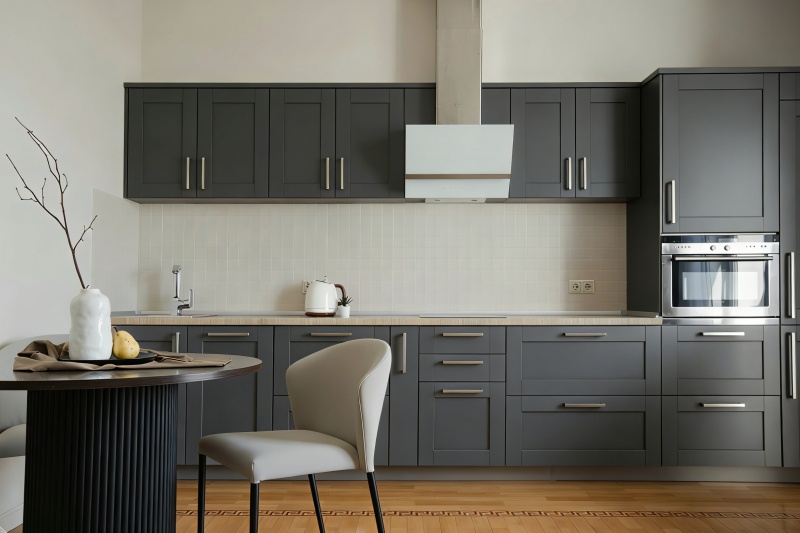
Definitions of Kitchen Cabinets and Cupboards
Before diving into the differences, let’s start with clear and simple definitions. Although both kitchen cabinets and cupboards are storage solutions, their core purposes and designs are fundamentally different from the start.
What are Kitchen Cabinets?
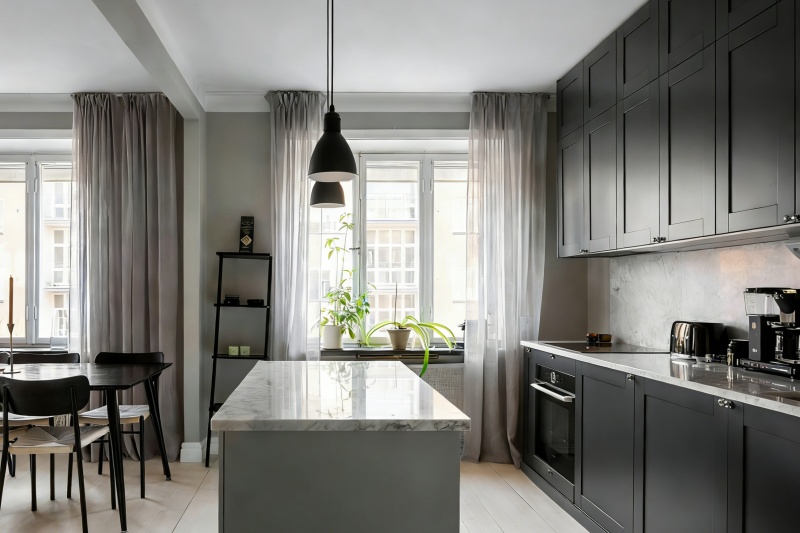
Kitchen cabinets are sophisticated built-in storage systems designed specifically for kitchens (though cabinets can also be used in bathrooms or bedroom vanities). As an integral part of the kitchen structure, they combine functionality and aesthetics, and are specially engineered to meet kitchen needs.
They store cookware, appliances, food, etc., while resisting high temperatures and moisture in the hot and humid kitchen environment, as well as daily wear and tear, to extend service life.
Cabinets are usually custom or semi-custom, so they can fit your kitchen dimensions precisely. You can choose framed or frameless cabinets, open shelves, drawer cabinets, or corner cabinets. All combinations are designed to maximize storage efficiency and accessibility.
In modern kitchens, cabinets are often integrated with appliances: built-in ovens, dishwashers, or refrigerators can blend seamlessly into cabinets, creating a clean and streamlined visual effect.
What is a Cupboard?
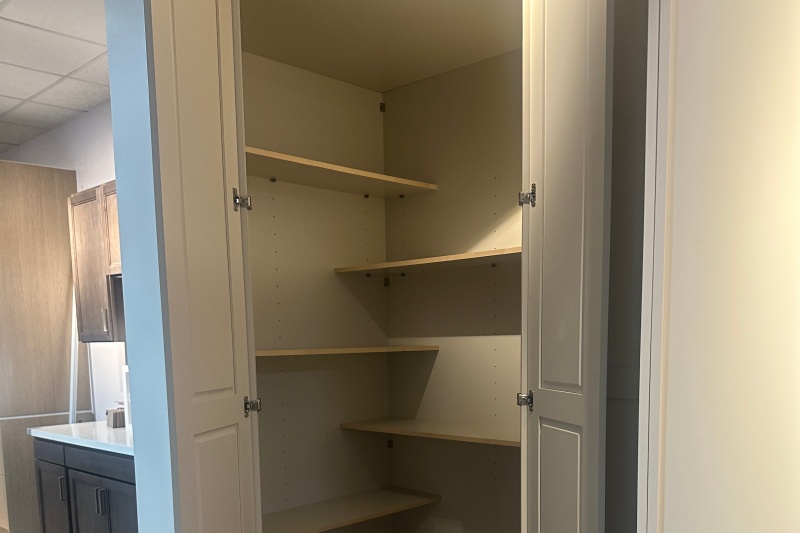
A cupboard is a simpler and more versatile storage unit, not exclusive to kitchens. Its main purpose is basic storage—with no extra decoration or integration with other structures, just a space to conceal items and keep them dust-free. Therefore, it can be placed in the kitchen, bathroom, bedroom, or living room.
Cupboards are usually freestanding, with simple internal shelves and one or two doors to enclose the space. They are generally more affordable and easier to install than cabinets, as they do not need to be built into the house structure and can be moved freely when rearranging the space. Unlike cabinets, cupboards have few or no drawers or specialized storage accessories, focusing only on simple and practical storage.
Differences Between Kitchen Cabinets and Cupboards
1. Design and Structure
Kitchen Cabinets
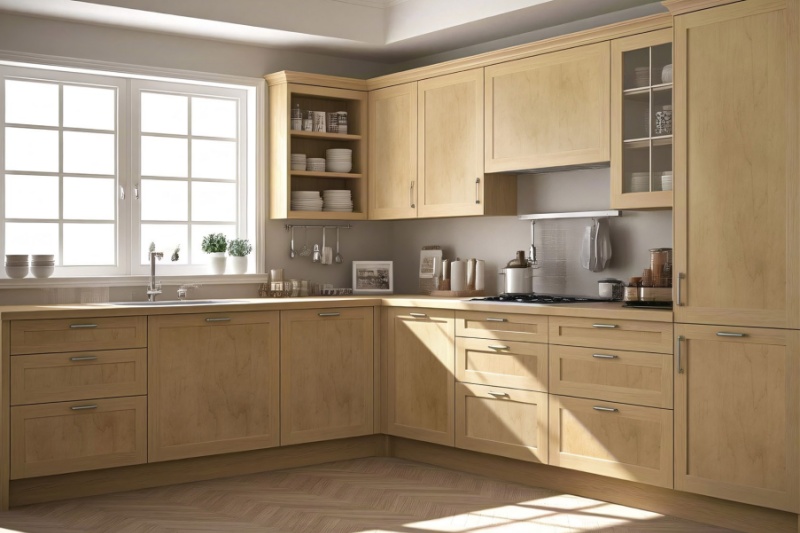
Cabinets are designed to integrate with the kitchen’s architectural structure, installed flush with the walls, with countertops laid on top of the base cabinets. Cabinet bodies come in framed and frameless styles, with a wide variety of door designs. Each cabinet supplier has its unique style, and slim shaker cabinets are one of the most popular choices in home improvement. Slim shaker cabinets feature clean, simple lines that fit modern aesthetics, and all cabinet series supplied by Union Wood can be fully customized in height, width, and depth.
Key features include:
Cupboards
Cupboards focus on practicality and simplicity. They are usually freestanding with a basic box structure and large internal space for stacking bulky items.
Design features:
2. Function and Purpose
This is the biggest difference: their actual functions and purposes vary, even though both are used for storage.
Kitchen Cabinets
Kitchen cabinets are multi-functional. They are not just storage tools, but also optimize kitchen workflow, enhance spatial aesthetics, and meet users’ specific needs. Cookware can be stored in drawers, food in wall cabinets or corner cabinets. Some appliances can be built into cabinets for a unified, coordinated look.
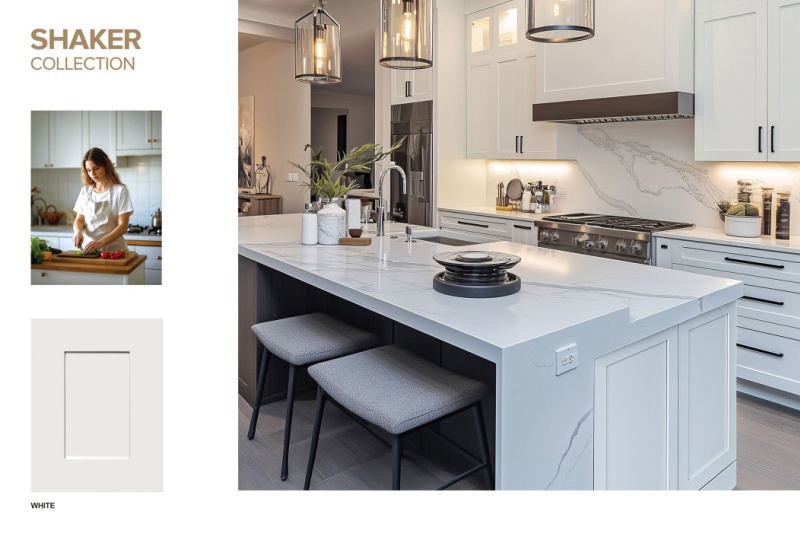
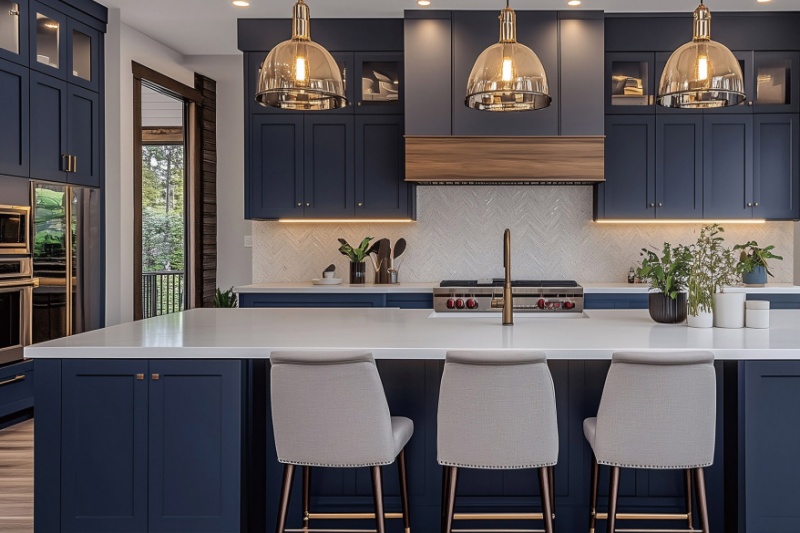
As the visual focal point of the kitchen, the style, color, and finish of cabinets set the tone for the entire kitchen. (For example, white oak shaker cabinets create a classic American style, white flat-panel cabinets achieve a modern look, and navy blue shaker cabinets build a personalized kitchen.)
Cupboards
A cupboard has only one function: basic storage. It does not optimize workflow or improve aesthetics—it is simply a space to hide items and keep them dust-free. Large, infrequently used items can be stored inside, making the home look tidier and less cluttered.
3. Placement & Versatility
Kitchen Cabinets
As the name suggests, kitchen cabinets are mainly installed in the kitchen. They are designed to fit the unique layout of the kitchen and are not easy to move. Since wall cabinets are mounted on the wall and integrated into the house structure, the most suitable place for them is the kitchen.
Cupboards
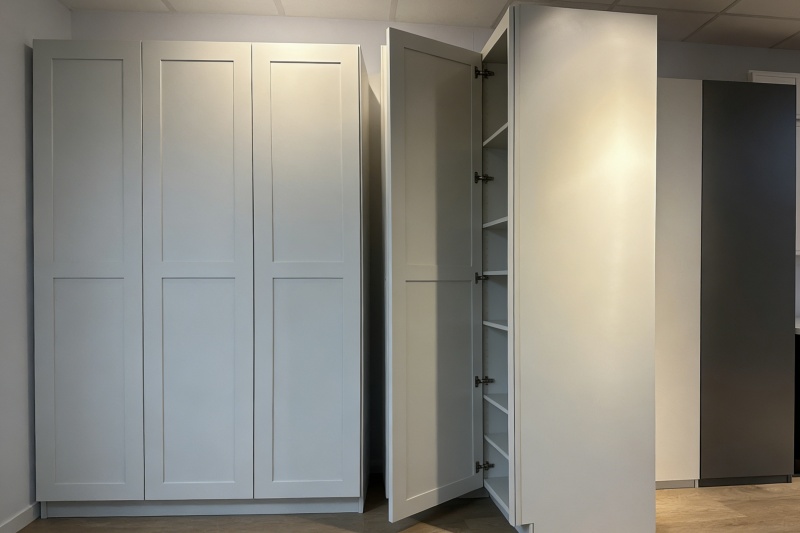
Cupboards are highly versatile and can be used anywhere in the home, not limited to a specific area. You can place a cupboard in the kitchen, bedroom, or living room for storage. As a freestanding unit, it can be moved to any needed location at any time.
4. Cost & Installation
Kitchen Cabinets
Kitchen cabinets are more expensive than cupboards, mainly because they are custom-made or semi-custom, and require professional installation experience.
The cost depends on the cabinet material: solid wood is the most expensive, and particleboard is the most affordable. You can choose according to your needs. Cost is also related to cabinet dimensions and hardware accessories.
If you want high-quality kitchen cabinets at a reasonable price, you can choose Union Wood. As a cabinet wholesaler based in Vietnam, we offer the most competitive prices.
Cupboards
Cupboards are affordable and easy to install. They are mass-produced as standard products, so the cost is lower. Installation is also simple; you can assemble them yourself by following the instructions. A basic cupboard does not cost much.
A Simple Example to Help You Remember the Difference
Imagine you are in a modern kitchen. The built-in units installed along the wall, with soft-close doors, drawers for tableware, and countertops above — these are kitchen cabinets.
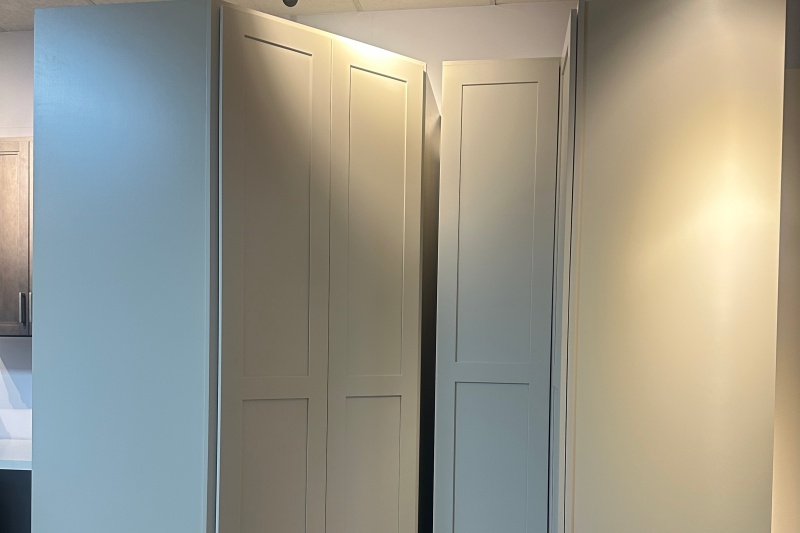
Now, picture a freestanding wooden unit in the corner with simple doors and a large size. That is a cupboard.
So Which One Do You Need?
After understanding the differences between kitchen cabinets and cupboards, you can clearly decide which one suits you best, based on your needs, budget, and kitchen layout.
Choose kitchen cabinets if you:
Cabinets are suitable for long-term use and can add value to your home.
Choose cupboards if you:
Cupboards are perfect for temporary storage.
Final Summary: Don’t Mix Them Up!
In short, the difference between kitchen cabinets and cupboards lies in design, function, and integration.
Union Wood offers both kitchen cabinets and cupboards. As a trusted Vietnamese cabinet supplier with years of experience, all our products meet strict quality and environmental standards.
If you are planning a kitchen renovation, feel free to share whether you choose cabinets, cupboards, or a combination of both — we will provide you with professional and satisfying suggestions.


 Newsletter
 Español
 IPv6 network supported