
What Are You Looking For?
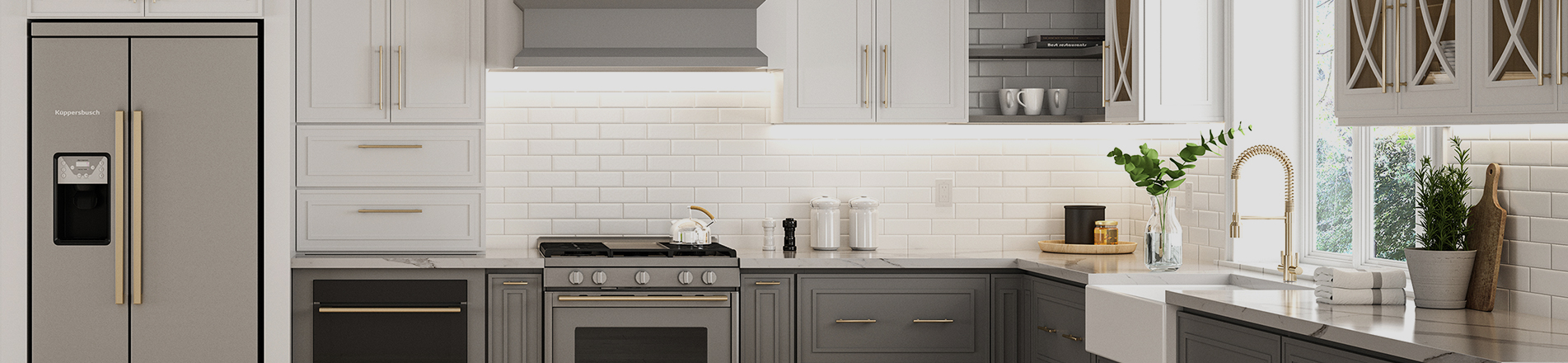
In the furniture industrial park in the new district of Ho Chi Minh City, a set of imported Austrian concealed hinges sells for five times the price of local equivalents, yet they are still in short supply and eagerly purchased by high-end custom furniture enterprises. Meanwhile, in a panel furniture factory on the outskirts of Hanoi, the production manager is scrambling to source a batch of qualified soft-close drawer slides.
These "invisible accessories" hidden behind cabinet doors are no longer insignificant supporting parts. They are becoming the key to the upgrading of Vietnam’s furniture industry.
Once merely accessories attached to panels, quietly performing basic functions of connection and fixation, furniture hardware in Vietnam is now rapidly taking center stage. It has completely shed its label as a "small component" and evolved into the "heart of the industry" that determines furniture functionality, service life, aesthetics, and even export compliance.
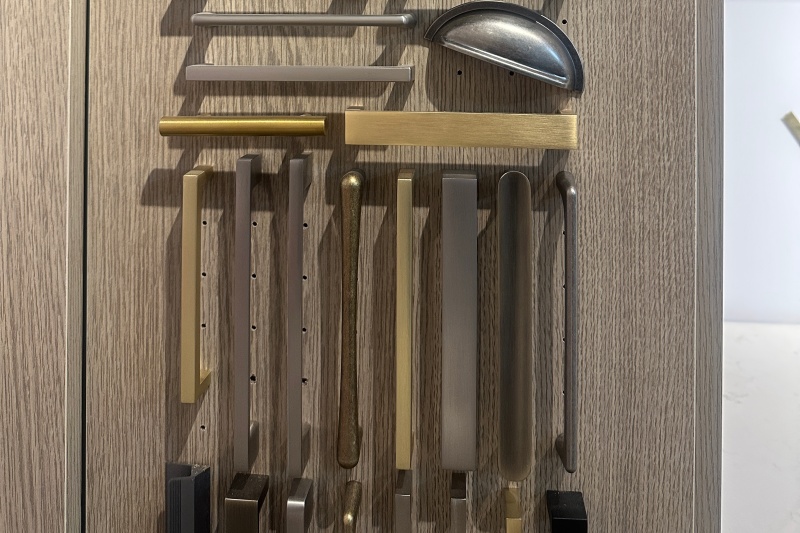
Furniture Hardware: The "Invisible Champion" Behind the Data
According to the latest industry statistics, Vietnam’s total hardware and tools market reached approximately $2.4 billion in 2025. Of this, architectural decoration and furniture hardware accounted for about 40%, with a market size approaching $1 billion.
1. A Powerful Export Engine
Vietnam is currently the world’s third-largest exporter of wooden furniture, with annual export value exceeding $15 billion. More than 70% of its products are sold to the US and European markets.
2. Booming Domestic Market
In 2025, Vietnam’s domestic household furniture market reached $474 million. It is projected to grow at a CAGR of 8.66% from 2026 to 2031.
3. Surge in Hardware Demand
As a critical supporting sector of the furniture industry, demand for furniture hardware has boomed. Vietnam’s furniture accessories market reached $125.86 million in 2024 and is expected to grow at a CAGR of 7.3% by 2032. Notably, 80% of mid-to-high-end products rely on imports.
Heavy Reliance on Imports & Scarcity of Mid-to-High-End Hardware
Striking data defines Vietnam’s hardware market: 94% of metal processing and industrial products are imported, while local production capacity accounts for less than 10%.
Whether basic hinges and slides, or high-end concealed connectors and smart sensor handles, more than 80% of mid-to-high-end products must be imported. This heavy dependence stems from multiple market drivers:
1. Manufacturing Upgrading Forces Quality Improvement
As Vietnam’s furniture exports shift from traditional OEM to ODM and OBM, European and American buyers impose stricter requirements on hardware durability and environmental certifications. International certifications such as FSC and PEFC have become mandatory standards.
High-quality hinges that pass 100,000 opening-and-closing tests have become the "ticket" for export orders.
2. Rise of Custom Furniture
Vietnam’s urbanization rate has exceeded 40%, and a growing middle class has spiked demand for personalized, modular furniture.
Custom hardware — including detachable connectors, concealed slides, and adjustable shelf supports — has become standard in furniture design.
3. Accelerated Penetration of Smart Homes
Vietnam’s smart furniture market grew by over 35% in 2024. Electric standing desks, smart mirror cabinets, and sensor lighting hardware have grown rapidly, directly boosting demand for electronic hardware and widening the supply-demand gap for mid-to-high-end products.
Breakdown of Vietnam’s Four Core Furniture Hardware Categories
1. Hinges: Quality Upgrading
Hinges are the most widely used item in furniture hardware, holding over 30% of the market share.
The Vietnamese market is quickly phasing out ordinary hinges in favor of high-end types: hydraulic soft-close hinges, concealed hinges, 165° wide-angle hinges, etc.
2. Drawer Slides: Surge in High-End Demand
The drawer slide market is growing at 8.5% annually. Three-section ball-bearing slides, concealed under-mount slides, and electric sensor slides are the fastest-growing products.
Vietnamese furniture manufacturers prioritize load capacity and silent performance — core competitive advantages for high-end cabinets and office furniture.
At our Vietnamese cabinet factory Union Wood, we only use premium slides with strong load-bearing performance and excellent silent operation for a superior user experience.
3. Connectors: The "Skeleton" of Custom Furniture
Basic hardware such as cam-lock connectors, eccentric wheels, and shelf supports have low unit prices but massive usage volumes.
Amid Vietnam’s custom furniture boom, quick-install connectors, invisible hole-free connectors, and adjustable shelf systems are emerging as new growth areas. These products demand high precision and consistency: a tolerance over 0.1 mm can cause installation failure.
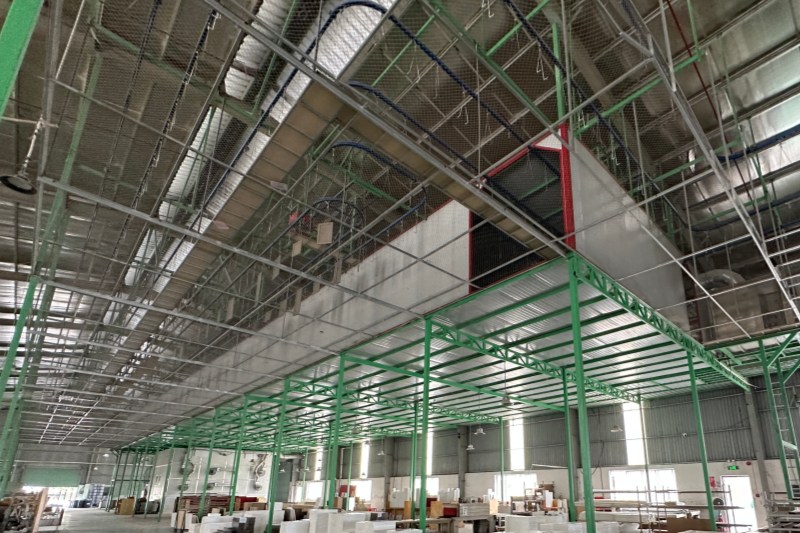
4. Decorative Hardware: Defining Home Aesthetics
Handles, casters, and other decorative hardware make up only 5%–8% of total furniture costs but determine more than 30% of visual quality.
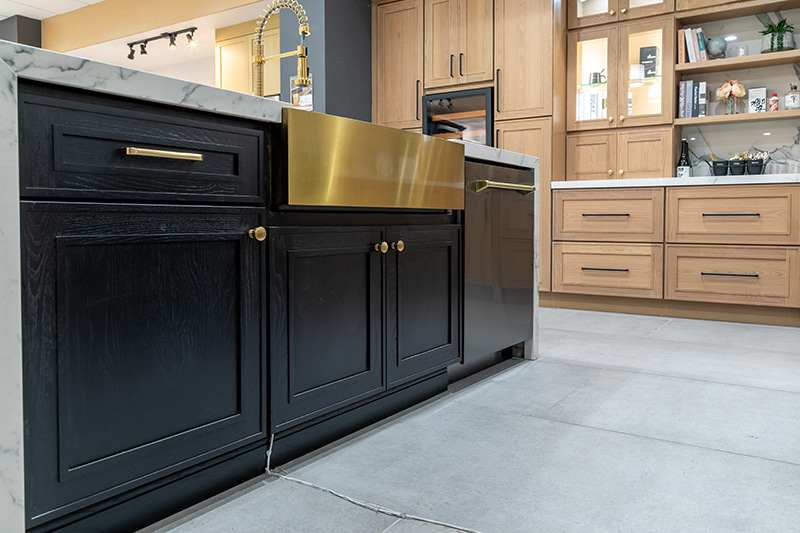
Young consumers prefer minimalist, brass-finish, and geometric-designed decorative hardware. Such products generally have a gross margin 20%–30% higher than basic hardware, offering substantial profit potential.
Why Now Is the Best Time to Enter the Market?
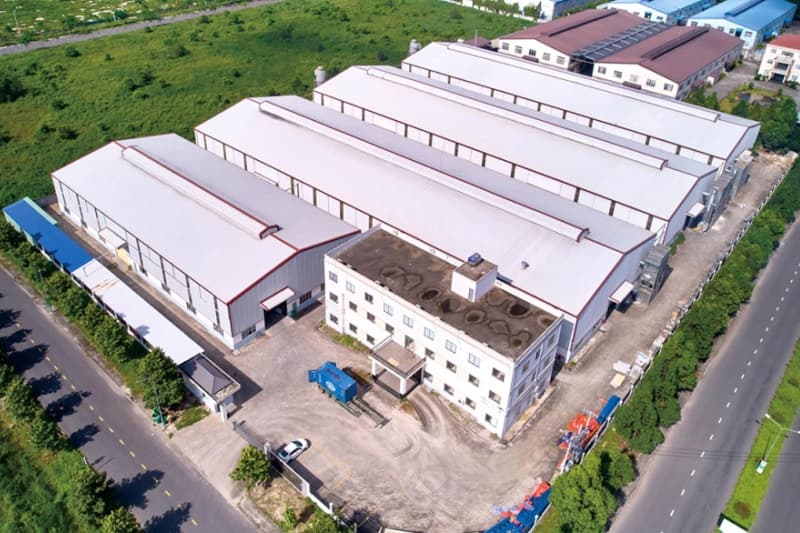
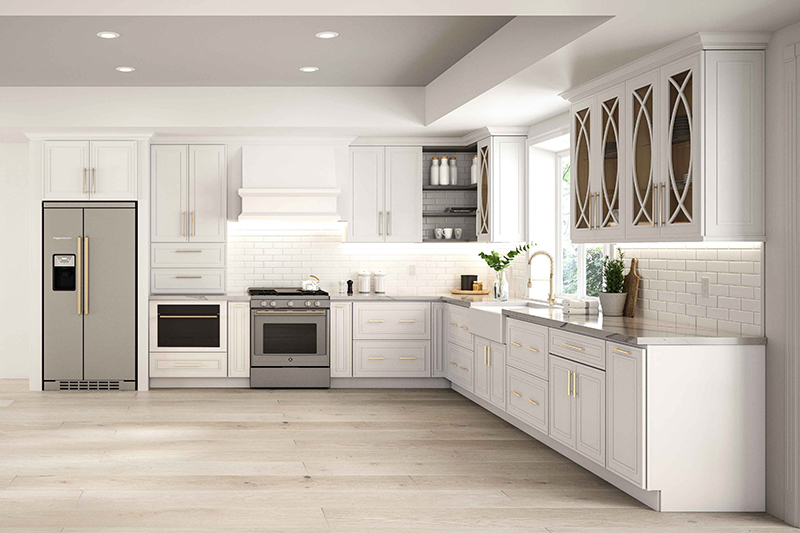
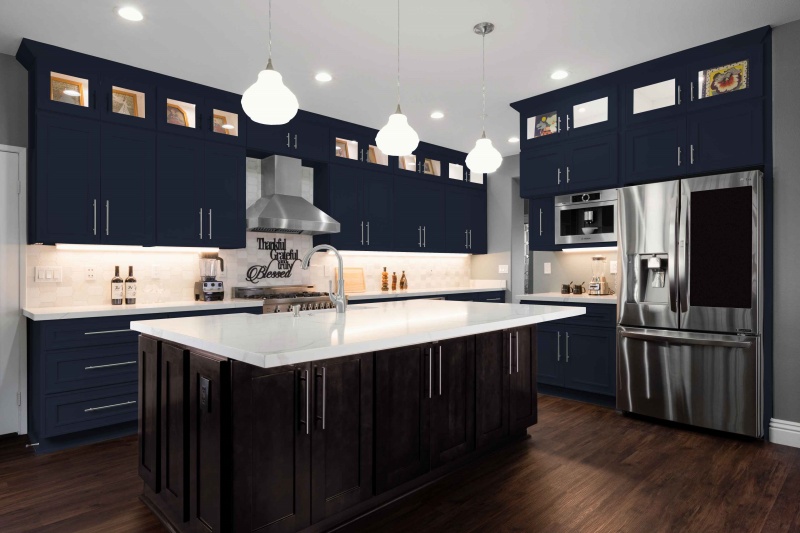
As a Vietnamese kitchen cabinet wholesaler, we effectively address these challenges. All hardware we use is high-quality, durable, and user-friendly.
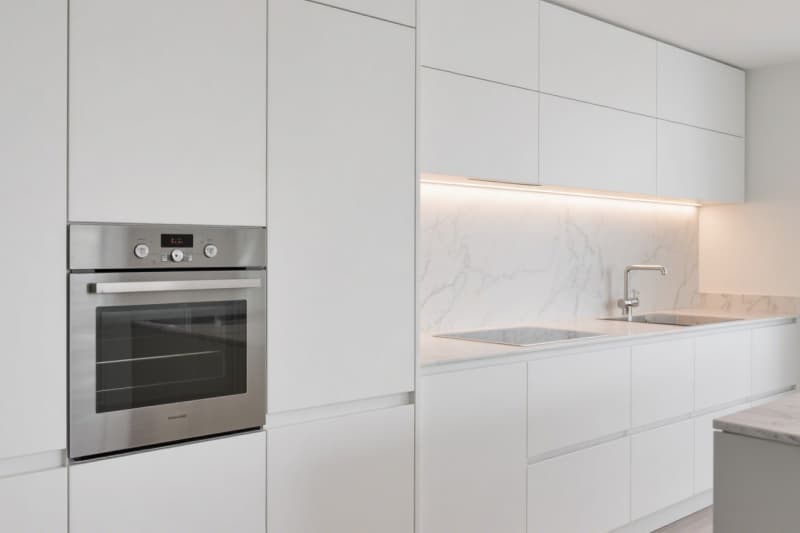
The adoption of premium hardware ensures the superior quality of our kitchen cabinets, bathroom vanities, and wardrobes, greatly extending their service life.


 Newsletter
 Español
 IPv6 network supported