
What Are You Looking For?

On July 24, 2026 (U.S. local time), under Section 301 of the Trade Act of 1974, the United States rolled out new tariff measures targeting 60 economies including Vietnam. Vietnam was placed in the highest‑tariff bracket subject to a 12.5 % duty rate. This tariff is far more than a mere figure; it directly erodes the competitiveness of Vietnamese export enterprises. Notably, the 2.5‑percentage‑point tax gap between Vietnam and its competing economies may become a critical variable determining order flows.
As the United States represents Vietnam’s top export market, the core challenge brought by this new tariff policy is not tariffs per se, but the competitive disadvantage versus economies such as Indonesia, Malaysia and India subject to a 10 % tariff rate. For the same batch of orders, why would U.S. buyers opt for Vietnamese suppliers saddled with higher tariffs over competitors from countries with lower duties?

What Does the 12.5 % Tariff Mean for Vietnamese Exporters?
At the corporate‑operation level, who ultimately bears the extra 12.5 % tax burden hinges on bargaining power between Vietnamese suppliers and U.S. purchasers. The cost may fall solely on U.S. importers or Vietnamese vendors, or be shared jointly by both sides. For low‑margin sectors such as textiles & apparel, footwear, furniture and wood products, however, this additional levy can easily squeeze profit margins, render quotations uncompetitive, alter order outcomes, and even turn originally profitable contracts into loss‑making ones.
Small‑and‑medium‑sized enterprises (SMEs), which account for roughly 98 % of Vietnam’s total businesses, are hit especially hard. Most SMEs suffer from limited cash reserves, weak risk resilience, shortages of international‑trade legal talent, and heavy reliance on a small number of major clients. Shrinking U.S. orders deliver shocks to upstream firms, with ripple‑on effects across downstream supply chains. There is therefore genuine concern that orders that would otherwise go to Vietnam may divert to countries in the 10 % tariff bracket.
Future Response Strategies for Vietnamese Export Enterprises
Vietnam’s exports to the United States reached approximately USD 86.5 billion in the first six months of 2026, accounting for nearly one‑third of its total exports. Faced with U.S. tariff pressure, Vietnamese firms must abandon passive wait‑and‑see attitudes. Combining policy‑driven advocacy with internal capability upgrading, they should build a multi‑pronged response system aimed at narrowing competitive gaps and strengthening supply‑chain resilience.
Policy‑Level Initiatives
Associate Professor Vu Chi Hao from the Vietnam International Arbitration Centre (VIAC) argues that the most urgent objective is securing inclusion in the 10 % tariff bracket. Three parallel lines of action are required:
Enterprise‑Level Measures
U.S. tariffs test not merely how much tax Vietnamese companies must pay, but what advantages “Made‑in‑Vietnam” goods hold against rival foreign‑manufactured alternatives within the U.S. marketplace. Global trade competition has shifted from chasing the lowest production costs toward building more transparent, reliable and rule‑compliant supply chains. For Vietnamese businesses, this tariff pressure may also serve as a catalyst for industrial upgrading.
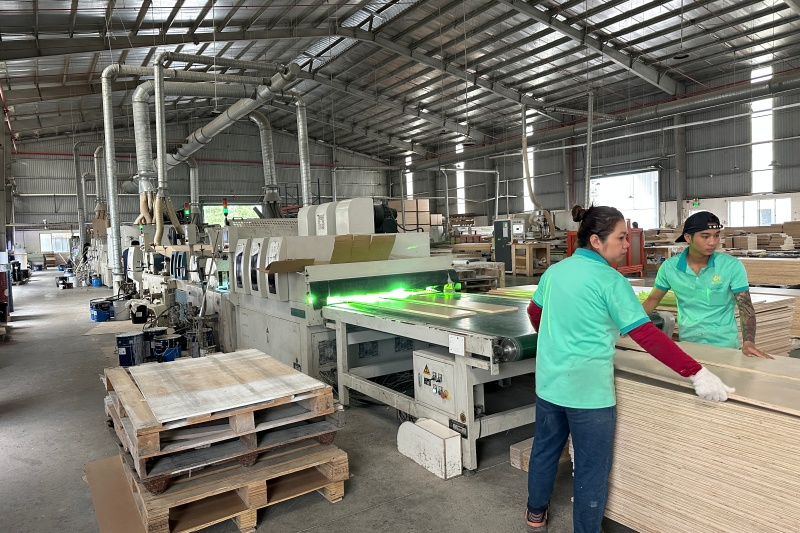
First, enterprises cannot simply wait for policy changes. They must proactively absorb part of the added costs by streamlining production workflows and lifting automation levels.
Second, reinforce supply‑chain compliance and transparency. Map every link across supply chains, retain detailed documentation covering raw‑material origins, production‑site records and logistics records, achieve product‑and‑batch‑level traceability, mitigate risks of illegal transshipment and labeling violations, and boost purchaser confidence through robust compliance.
Third, pursue industrial upgrading and market diversification. Reduce over‑reliance on the single U.S. market and actively tap emerging‑market opportunities. Accelerate deep‑processing and quality improvements to move up the global value chain, competing via higher product value‑added rather than low prices. Meanwhile, deepen cooperation with U.S. partners by importing premium raw materials and technologies to sharpen international competitiveness.
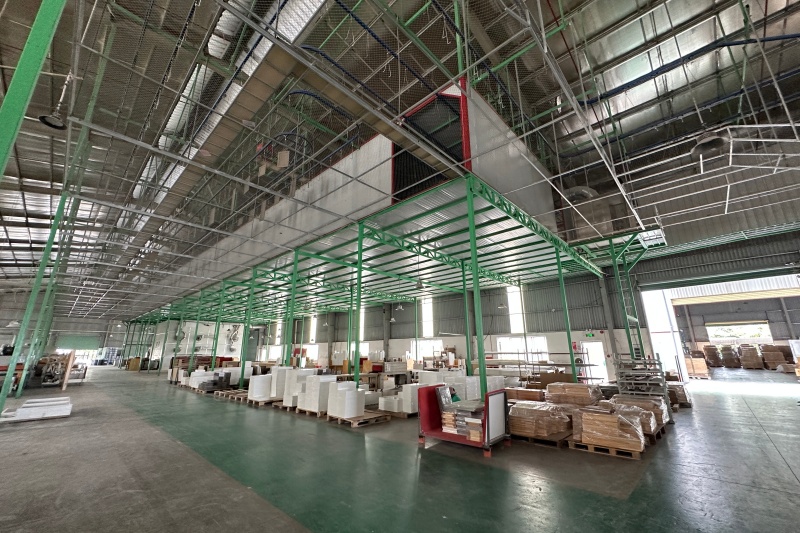
Going forward, order allocation will be determined not by price alone, but by overall supply‑chain credibility. As a Vietnamese cabinet supplier, Union Wood has already embarked on proactive transformation to consolidate its footing amid the evolving global‑trade landscape.


 Newsletter
 Español








 IPv6 network supported