
What Are You Looking For?

On July 23, the Vietnam Chamber of Commerce and Industry (VCCI), together with Doanh Nhân Diễn Đàn (Business Forum) Magazine, hosted a dedicated industry forum in Hanoi. Multiple speakers stated that Vietnam’s timber processing sector must accelerate transformation and upgrading, adopt sustainable, high-quality timber production and advanced deep processing, and strive to hit the development target of USD 25 billion in timber export turnover by 2030.
Amid mounting global trade barriers and rising logistics costs, the forum zeroed in on key pain points facing the industry. Titled Breaking Development Bottlenecks to Promote Sustainable Raw Material Supply for the Deep Timber Processing Industry, the event aims to build a sustainable raw material supply system for Vietnam’s high-end timber processing sector.
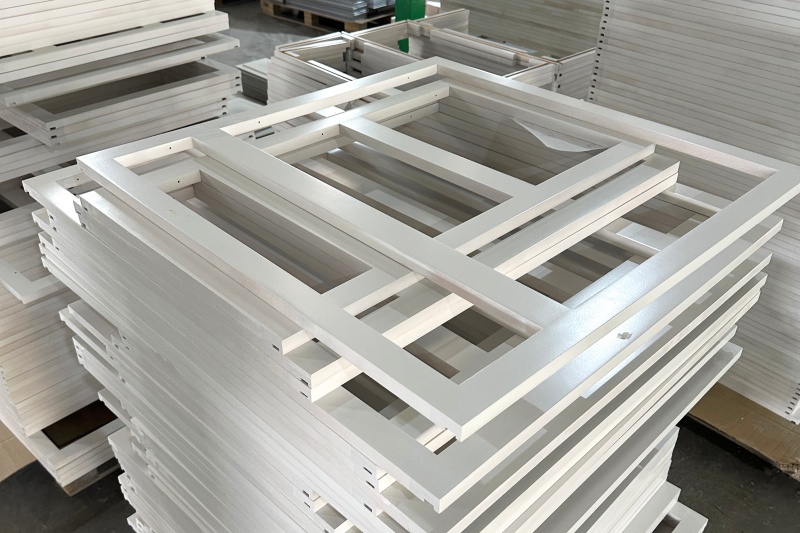
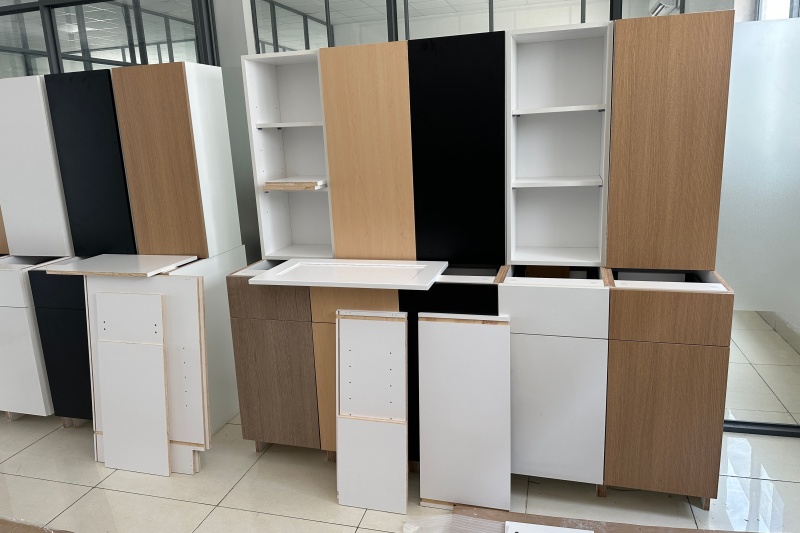
Vietnam has firmly secured its position as Southeast Asia’s leading timber exporter. In 2025, timber product exports hit a record high of USD 17 billion, ranking first among ASEAN nations. Locally processed goods account for 54% of Vietnam’s total timber export volume. Nevertheless, the vast majority of output remains OEM manufacturing, lacking core competitiveness stemming from independent domestic brands.
Ngo Sy Hoai, Secretary-General of the Vietnam Timber and Forest Products Association, remarked that the sector’s long-standing competitive edges — low-cost raw materials and cheap labour — are gradually eroding. New global green environmental standards require full product traceability and reduced carbon footprints, aligned with the prevailing trend of sustainable consumption.
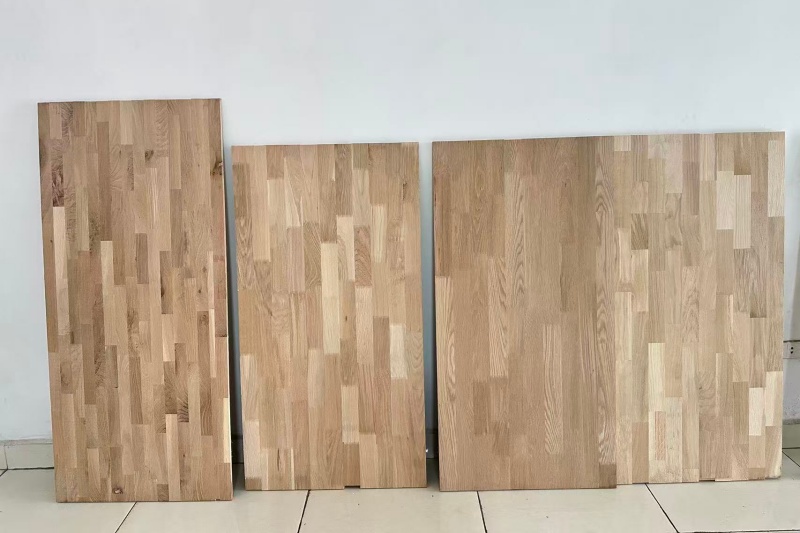
He further explained that timber from Vietnam’s planted forests mostly consists of small-diameter logs, which are poorly suited for high-end processing. The share of forestlands certified under sustainability standards remains low. In addition, nationwide digitalisation of planted forest data is incomplete, weakening industrial chain links between tree growers and processing enterprises. While global demand for furniture, green building materials and premium wooden goods keeps rising, Vietnam still primarily exports low-value raw logs.
Nguyen Van Dien, Deputy Director General of the Forestry and Forest Ranger Administration under the Ministry of Agriculture and Environment, argued that the domestic timber industry must overhaul its development mindset instead of merely securing raw material supplies. He urged the sector to prioritise building legal, transparent, environmentally responsible timber supply chains. Export strategies should shift from chasing volume to boosting value, moving beyond simple raw material exports to exporting complete furniture industrial systems and nurturing homegrown Vietnamese brands.
At the forum, experts put forward solutions for the industry’s long-term sustainable growth. They recommended stronger coordination between authorities, businesses and forest growers to upgrade traditional short-rotation forestry into an intelligent, modern forestry system. Proposals also included rolling out long-term credit financing and forest insurance, increasing investment in raw material bases, signing long-term stable procurement contracts, moderately extending harvesting cycles, and comprehensively improving the quality of domestic timber resources and the sector’s sustainability.


 Newsletter
 Español








 IPv6 network supported