
What Are You Looking For?
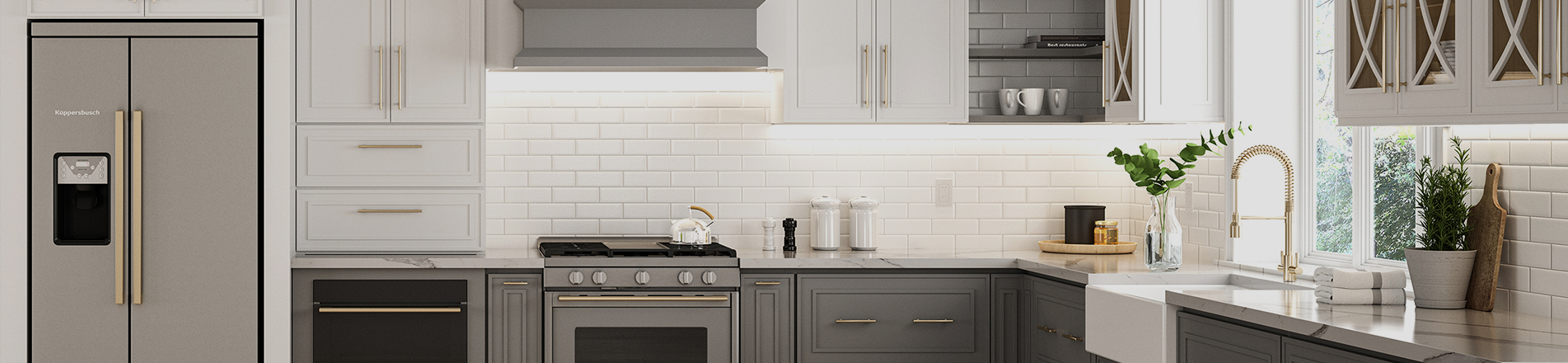
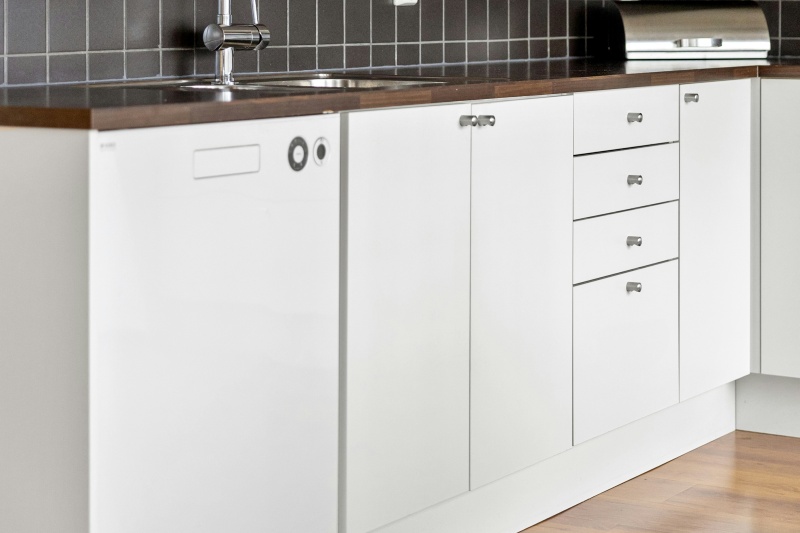
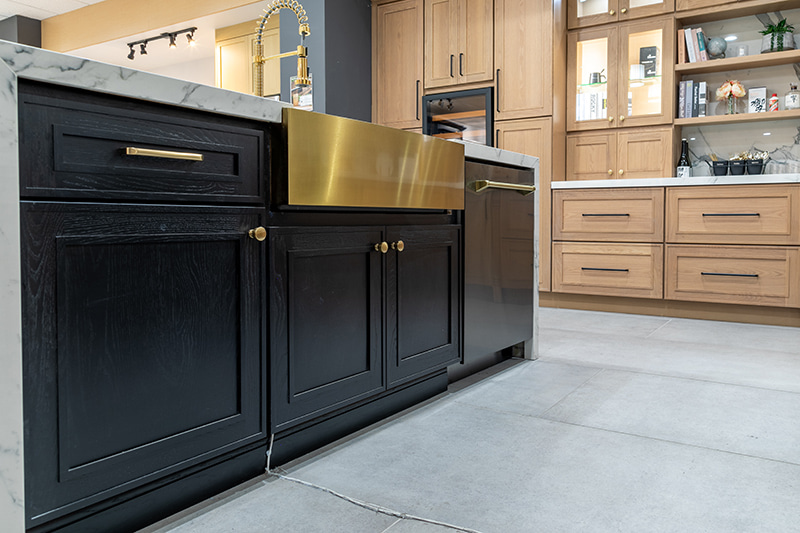
Most people rarely notice the toe kick at the bottom of cabinets, yet it comes standard on nearly all kitchen and bathroom cabinetry. A staple feature for these spaces, the toe kick is a recessed cutout at the base of cabinets that creates extra room for your toes.
This feature was originally designed for practicality. When you stand close to countertops while working in the kitchen or bathroom, the recess keeps you from stubbing your toes and prevents scuff marks along the cabinet base. Still, many interior designers are now asking one question: is a toe kick really necessary?
Is a Toe Kick Mandatory?
Lily Walters, residential designer at Elter Studios, recently raised this question on social media. She acknowledges the practical function of toe kicks but finds them visually unappealing. She also brings up an interesting observation: we never hit our toes when standing next to bookshelves or washing machines. Her post drew more than 1,600 comments, with people holding strongly divided opinions.
We reached out to other designers for their take and found no consensus. Kailee Blalock from House of Hive Design Co. believes toe kicks are not a must-have. “Design rules should not be treated as absolute,” she says. “We need to think about how the space will actually be used. For a busy kitchen used daily for cooking, I would not sacrifice comfort just to remove the toe kick.”
Strategic Design by Zone
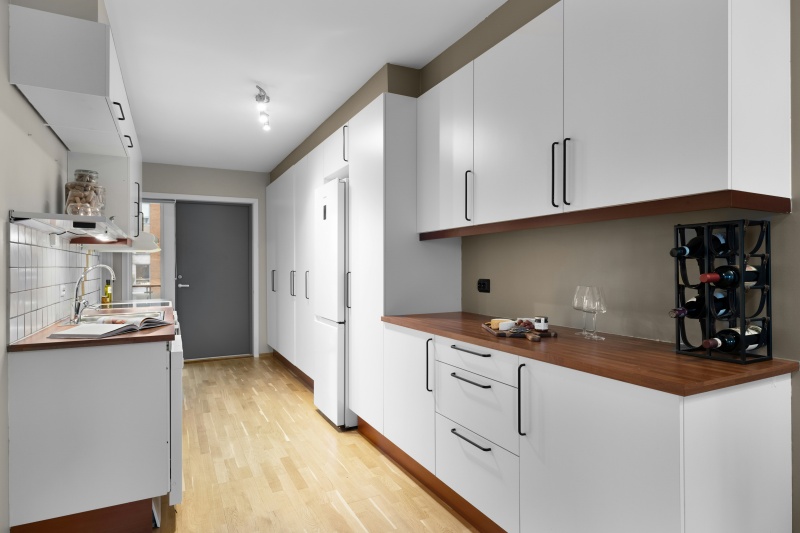
She adds that she prefers full-floor cabinetry in certain spots. This approach helps cabinets break away from the generic look of standard cabinet units and appear more like fine custom furniture. Toe kicks can be omitted on low-use secondary pieces such as bathroom vanities, kitchen islands and coffee bars to achieve that furniture-style aesthetic. For high-traffic work zones like the sink area, however, she always keeps the toe kick.
Many designers share this mindset. Deciding whether to include a toe kick depends on multiple factors, starting with the client’s habits. If homeowners tend to stand right up against the countertop, a toe kick remains essential. Zoned design helps deliver a better user experience for kitchen cabinets.
Keep the Toe Kick Without Sacrificing Style
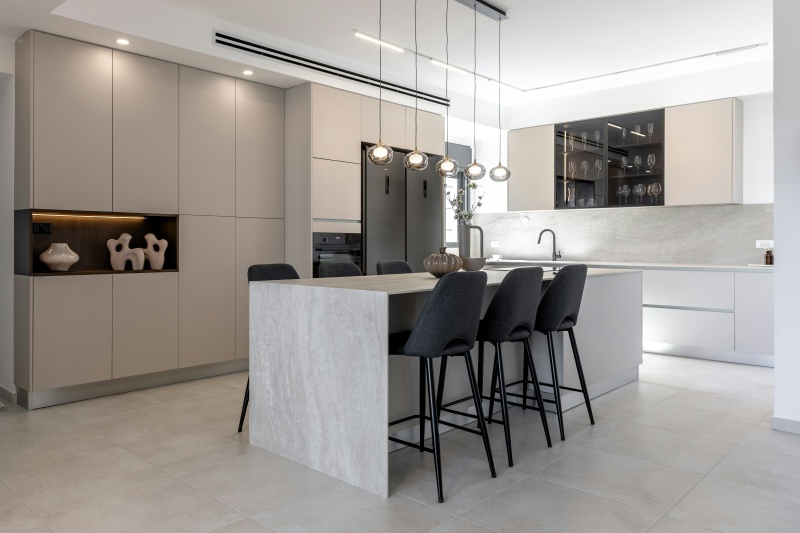
If you do not want to skip toe kicks entirely, they can still be styled beautifully. At Union Wood, a Vietnam-based kitchen cabinet supplier, our professional design team works closely with your preferences and project requirements. We offer a wide range of toe kick profiles to help you build your ideal kitchen.
At the end of the day, toe kicks are no longer a default cabinet feature. Though widely popular in the past, modern cabinet design centers on user needs. You get to decide where to install toe kicks — or leave them out completely.


 Newsletter
 Español

 IPv6 network supported