
What Are You Looking For?
As a pillar of Vietnam’s export economy, the country’s timber and forest products sector is undergoing a strategic transformation. Amid mounting uncertainty in the global market, export-oriented enterprises are focusing on integrating into global supply chains and achieving balanced development through strategic adjustments.
In an exclusive interview with Vietnam News & Law Review, Vo Si Hoai, Vice Chairman and Secretary-General of the Vietnam Timber and Forest Product Association (Viforest), shared his unique insights on current market opportunities, trade barriers, digital transformation, and the industry’s shift toward sustainable growth.
What are the core strengths and challenges of Vietnam’s timber and forest products in both domestic and international markets?
In recent years, Vietnam’s timber and forest products industry has achieved remarkable growth, with exports reaching 168 countries and regions. In 2025, total export value exceeded $18 billion, underscoring Vietnam’s position as a major global processing and export hub for timber and bamboo products. However, this rapid expansion has also drawn stricter regulatory scrutiny.
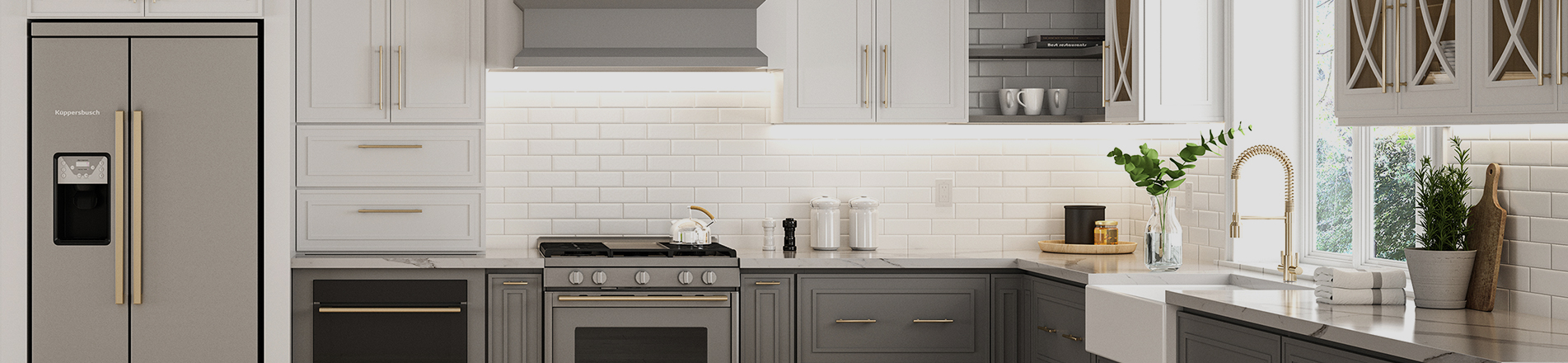
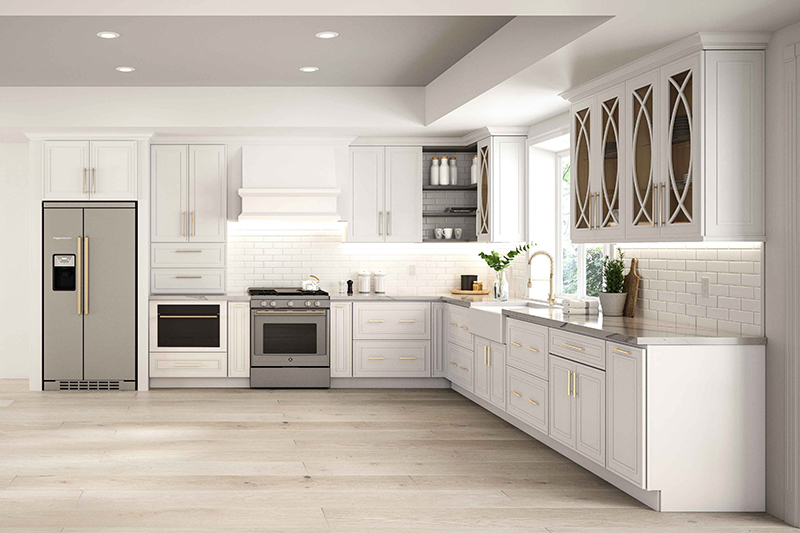
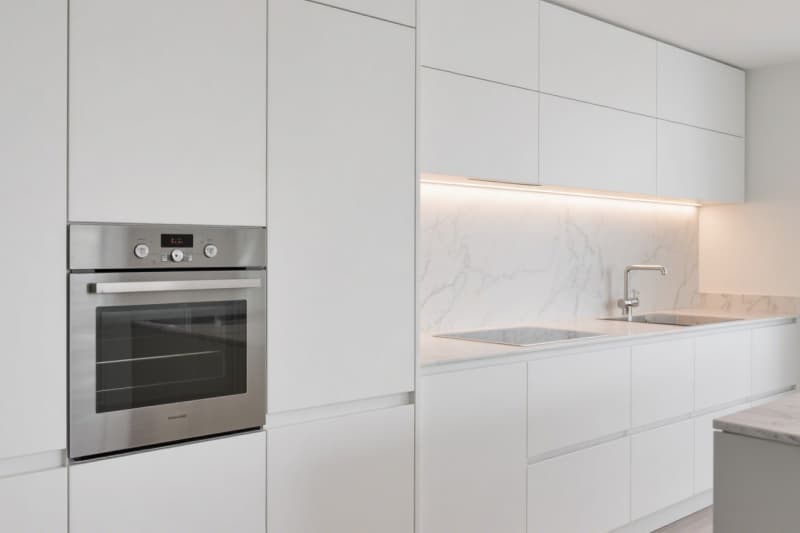
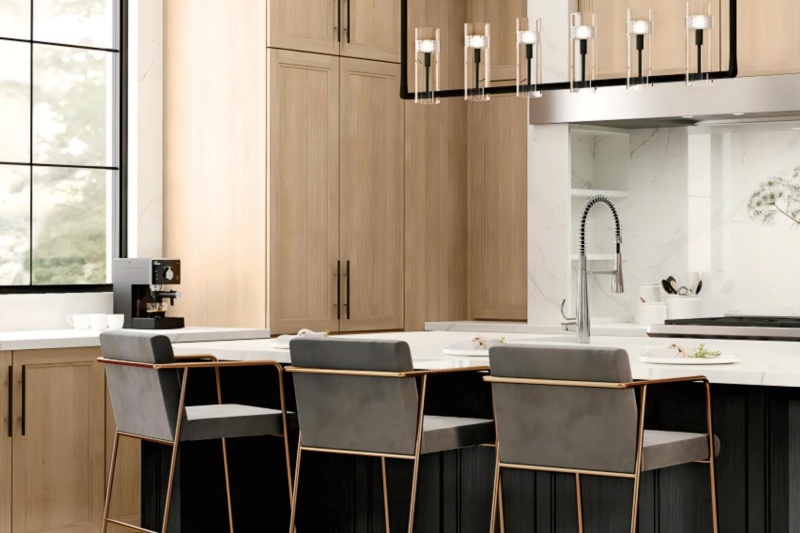
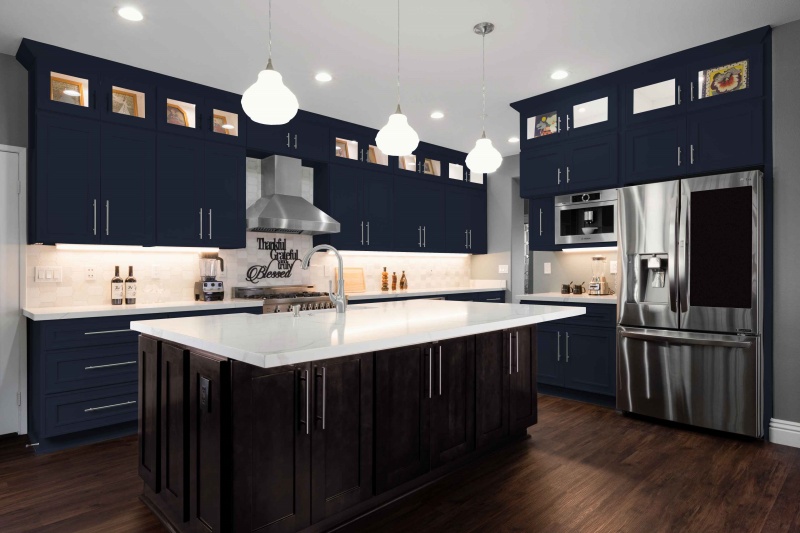
Notably, key export markets, particularly the United States, are continuously tightening trade measures. Currently, certain Vietnamese wood products — including cabinet components and finished kitchen cabinets — are subject to a 25% tariff under Section 232 of the U.S. Trade Expansion Act of 1962. If a bilateral trade agreement is not reached, there is a risk of further tariff increases.
Additionally, the ongoing conflicts in the Middle East have exerted direct and far-reaching negative impacts on various industries, including the timber sector. They have disrupted cost structures, delivery schedules, and overall market demand, posing challenges for enterprises reliant on stable global supply chains. Many companies now prioritize survival over expansion, maintaining steady operations amid market volatility rather than pursuing aggressive growth targets.
Nonetheless, export-oriented enterprises have long been deeply embedded in global supply chains. Faced with global headwinds, the industry is shifting toward a dual development strategy: sustaining export businesses while tapping into Vietnam’s domestic market of over 100 million people, where demand for high-quality furniture — including kitchen and bathroom cabinets — remains strong.
What measures are Vietnamese timber enterprises taking to strengthen their position in domestic and international markets?
The industry has reached a critical turning point. It must transition from a growth model dependent on low-cost labor and raw materials to one driven by innovation, digitalization, and sustainable development. Buyers in high-end markets such as the U.S., Europe, and Japan closely monitor whether products are linked to deforestation or forest degradation. As a result, environmental compliance has become a decisive factor for product access, and adherence to green standards is a prerequisite for wholesalers seeking long-term partnerships.
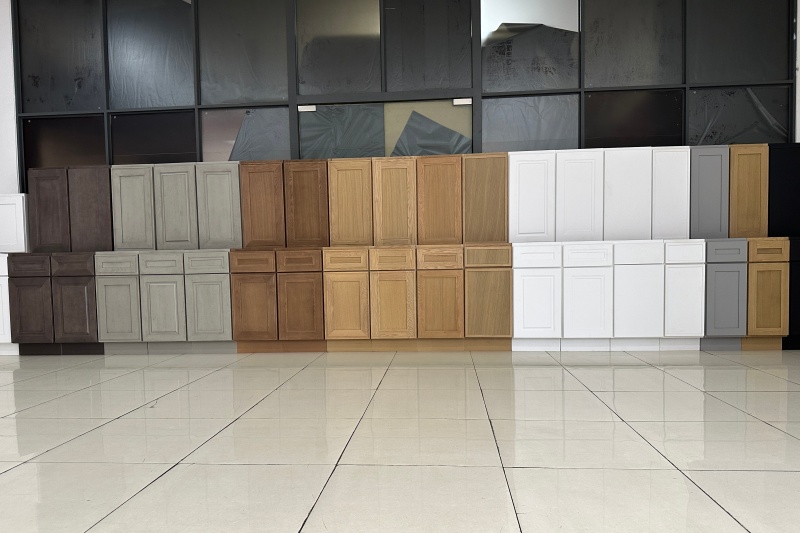
Accordingly, Vietnamese enterprises — including Union Wood, one of Vietnam’s large-scale modern cabinet factories — have clearly stated that the industry will firmly pursue sustainable and green growth to support global emission reduction efforts. By continuously meeting stringent international standards such as the EU’s Deforestation-Free Supply Chain Regulation, businesses aim to retain existing markets and expand their market share.
The industry is also increasing investment in the domestic market. Vietnamese consumers are becoming increasingly sophisticated, especially in the high-end residential segment, with growing demand for stylish, high-quality products. Furniture now serves not only functional needs but also reflects lifestyle and design taste. Leveraging their expertise in serving high-standard export markets, local enterprises are fully capable of meeting domestic demand.
How is technology adoption and digital transformation viewed within the industry?
Technology has become an essential requirement across multiple sectors. At the corporate management level, enterprises — including cabinet wholesalers and manufacturers — must implement modern management and accounting systems to ensure transparency. For instance, the EU market mandates electronic traceability systems to verify that timber sources comply with anti-deforestation regulations.
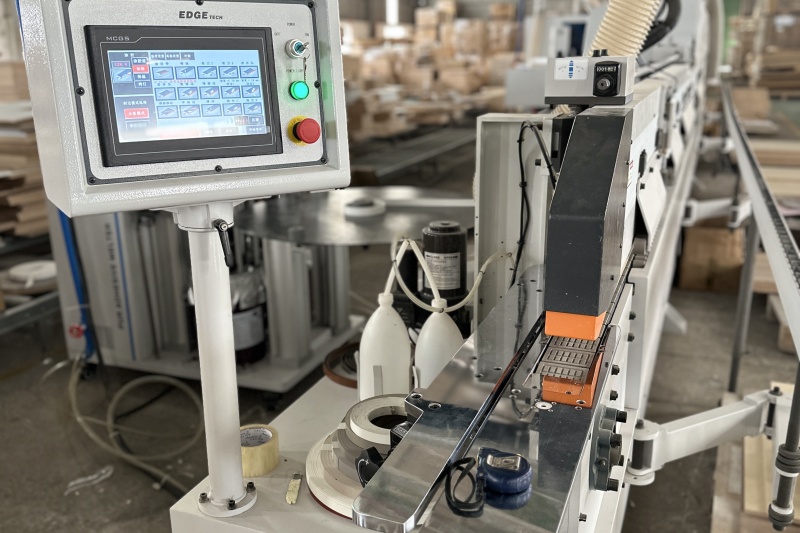
Automation upgrades are also becoming increasingly urgent. Rising labor costs and labor shortages are forcing companies to invest in machinery and equipment to maintain competitiveness. Vietnamese enterprises have long provided OEM production for overseas brands with slim profit margins. Going forward, they must gain greater control over the value chain — from design and production to logistics and distribution — by building their own brands and improving profitability.
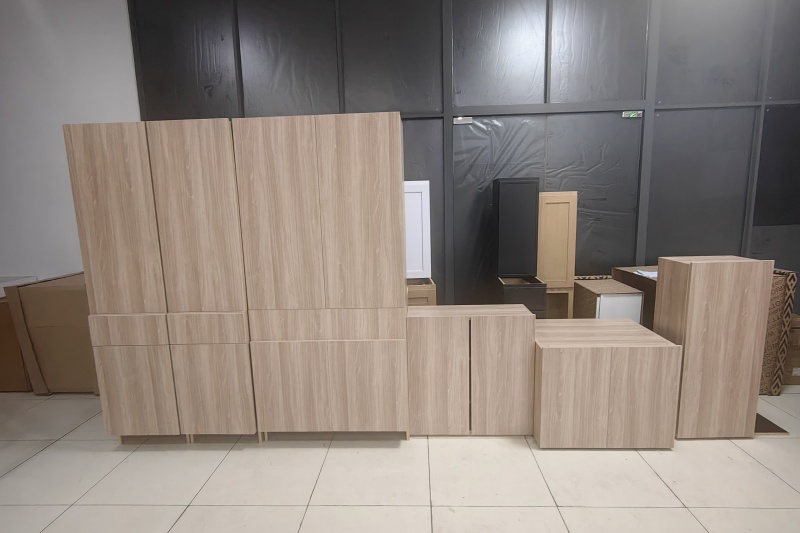
Union Wood, a Vietnam-based wooden cabinet manufacturer specializing in kitchen cabinets, bathroom vanities, and bedroom wardrobes, offers products for both residential and commercial projects. Our offerings are particularly popular among U.S. consumers and buyers in other global markets. We take great pride in holding ISO 9001 and FSC certifications, assuring customers of our superior quality and environmentally responsible manufacturing practices, enabling a seamless transformation.


 Newsletter
 Español

 IPv6 network supported