
What Are You Looking For?

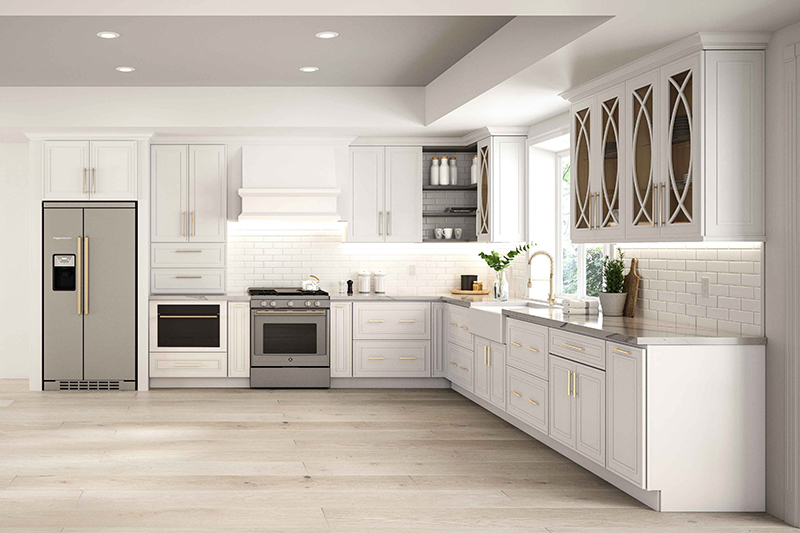
Recently, President Trump signed a proclamation invoking Section 232 of the Trade Expansion Act of 1962, delaying the planned tariff increase on upholstered furniture, kitchen cabinets, and bathroom vanities for an additional year. The implementation, originally scheduled for January 1, 2026, has been postponed until January 1, 2027. While this policy adjustment does not eliminate existing tariffs, it provides a valuable buffer for Vietnam's wood export industry, which is heavily reliant on the U.S. market.

This tariff adjustment is not an exemption from duties, but rather a reprieve to allow time for bilateral trade negotiations and the optimization of global supply chains. Under current policy, the tariff rates of 10% on imported logs and 25% on processed wood products remain unchanged. The underlying rationale—President Trump's aim to boost U.S. industry and protect national security through tariff hikes—remains fundamentally the same.
For Vietnam's wood industry, this delay directly mitigates risks such as order losses and a sharp rise in costs that could have been triggered by an imminent tariff jump at the start of the year. It lays the foundation for the industry to maintain stable production schedules and safeguard export volumes. Based on previous export figures and with this policy buffer, Vietnam's wood industry is projected to target an export revenue range of $18–19 billion in 2026.
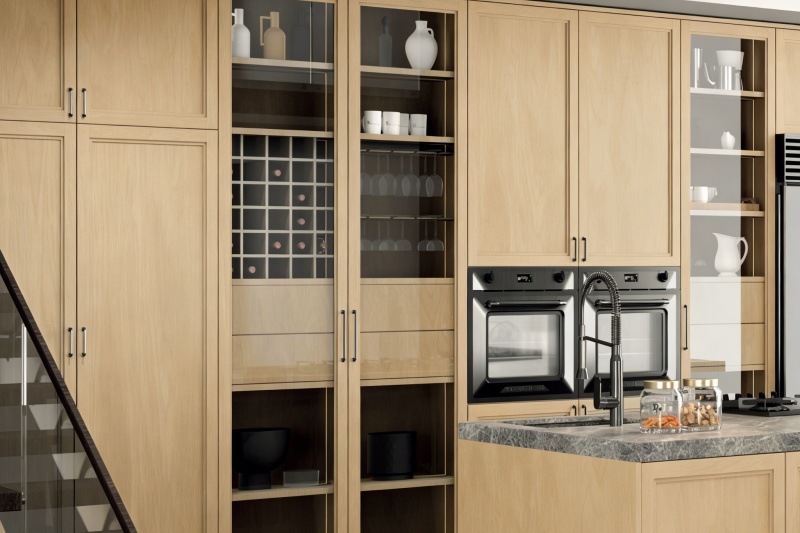
This one-year buffer has become a crucial opportunity for Vietnamese wood enterprises to move away from low-price competition and drive industrial upgrading. Leading Vietnamese wood companies have already taken the lead in launching transformation strategies. Union Wood, one of the large-scale modern cabinet factories headquartered in Vietnam, is following suit. On one hand, it is optimizing its product mix by developing lightweight, high-value-added wood products to reduce material consumption and logistics costs. On the other hand, it is accelerating the automation of its production lines to boost efficiency and cut labor costs, preparing for future tariff adjustments.
Industry insiders point out that short-term fluctuations from tariff adjustments will become the norm in international trade competition. Relying solely on favorable policies is unsustainable for long-term, stable development. The U.S. delay in tariff hikes is a buffer zone, not a safe haven, for Vietnamese wood enterprises. If Vietnam's wood industry aims to secure a firm position amid the restructuring of global supply chains, it must seize this critical window to achieve a comprehensive transformation in products, technology, markets, and compliance.
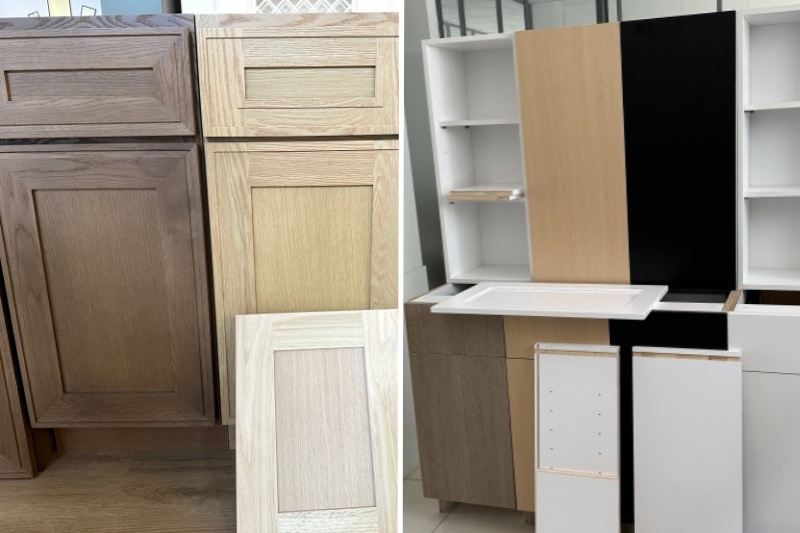
Only by moving beyond the low-end position of "OEM processing" and upgrading to "brand intelligent manufacturing," and by building irreplaceable core competitiveness, can the industry calmly navigate future uncertainties in the trade environment. This will enable a leap from being export-oriented to value-driven, and truly ascend to the high-end of the global wood industry value chain.
*** Source: White House Press ***


 Newsletter
 Español




 IPv6 network supported