
What Are You Looking For?
The US has made a preliminary ruling to impose nearly 200% anti-dumping duties on Vietnamese plywood. This is not only a trade shock, but also a crucial test of the competitiveness, resilience, and strategic adaptability of Vietnam’s wood industry against the backdrop of an increasingly severe global trade environment.
Ngo Sy Hoai, Secretary General of the Vietnam Timber and Forest Products Association (Vifores), stated in an interview with VietNamNet that to maintain their current position, Vietnamese wood enterprises must strengthen their capabilities, enhance flexibility, and courageously take on risks.
Regarding whether the 193% preliminary duty is a temporary shock or a signal of a long-term shift in US policy, Hoai pointed out that although the ruling is not final—US inspectors are cooperating with relevant Vietnamese authorities and associations to review two mandatory respondents, Junma and Trieu Thai Son—the rate conveys a signal of systemic change.
In this plywood investigation, the US simultaneously targeted Vietnam, China, and Indonesia. Among them, Vietnam faces the highest preliminary rate, far exceeding China’s (over 180%) and nearly six times that of Indonesia (34%-35%). The core reason for this phenomenon is that Vietnam has become the most prominent participant in the global plywood market.
Under the governance of the "Trump 2.0" administration, the cycle of trade investigations may be shortened, and trade remedy tools are increasingly being used to achieve protectionist, fiscal, and political goals—including protecting domestic production, increasing fiscal revenue after the $166 billion tariff refund ruling, and advancing the "Make America Great Again" agenda. This is by no means a fleeting rain shower, but a sustained monsoon.
In response to allegations that the Vietnamese government provides subsidies to the wood industry, Hoai clarified that there are no specific subsidy capital flows. Vietnam’s plywood supply chain is built on 2.5 million hectares of planted acacia forests, managed by more than 1 million households, and operates transparently in full compliance with market rules. Enterprises all obtain commercial loans at market interest rates and do not enjoy any preferential treatment in terms of land, taxation, or infrastructure.
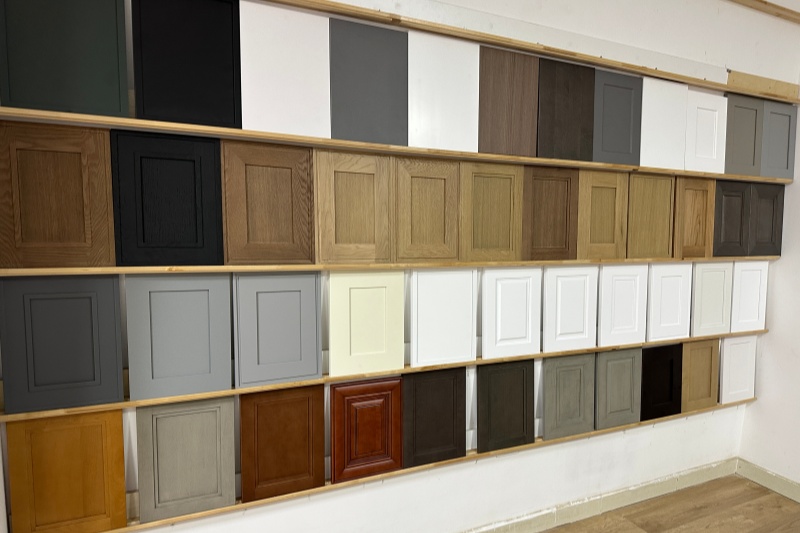
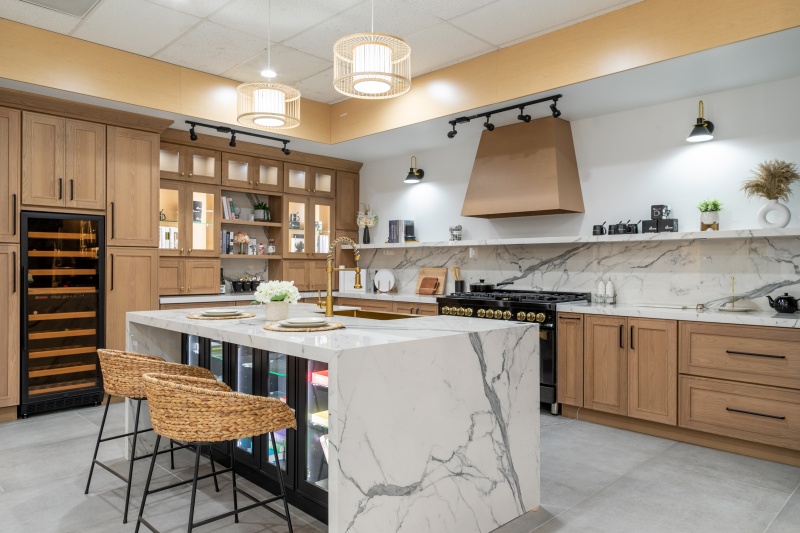
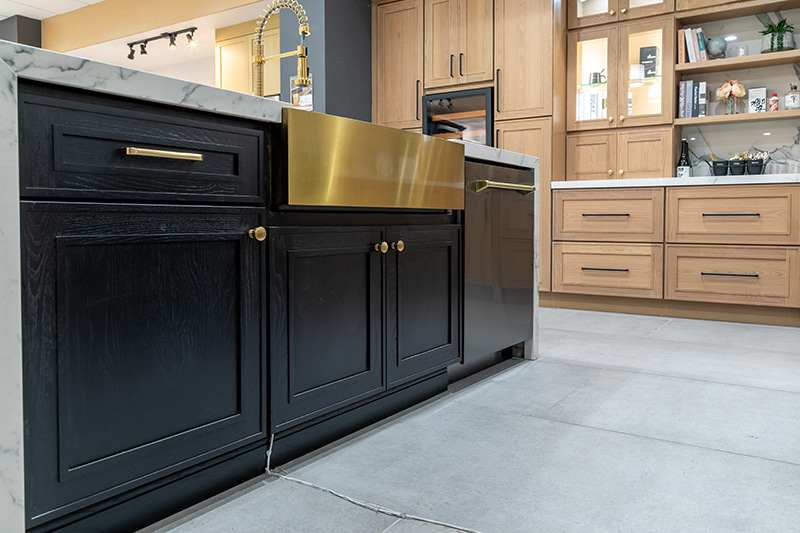
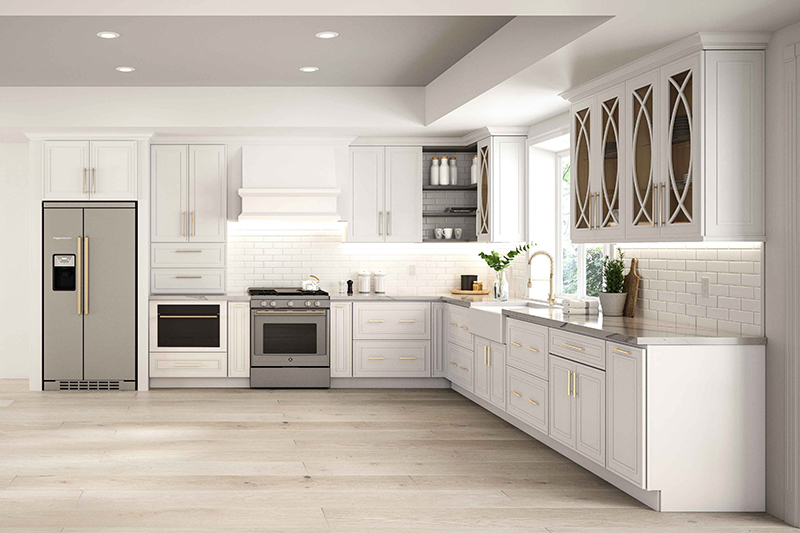
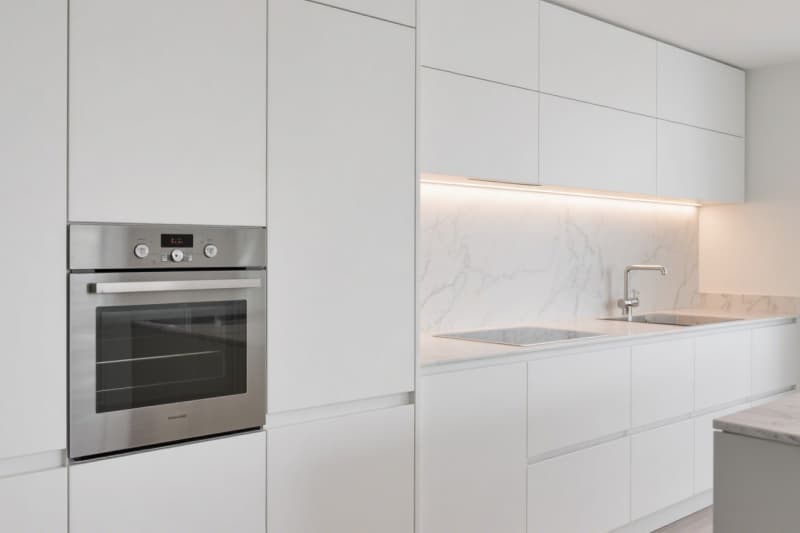
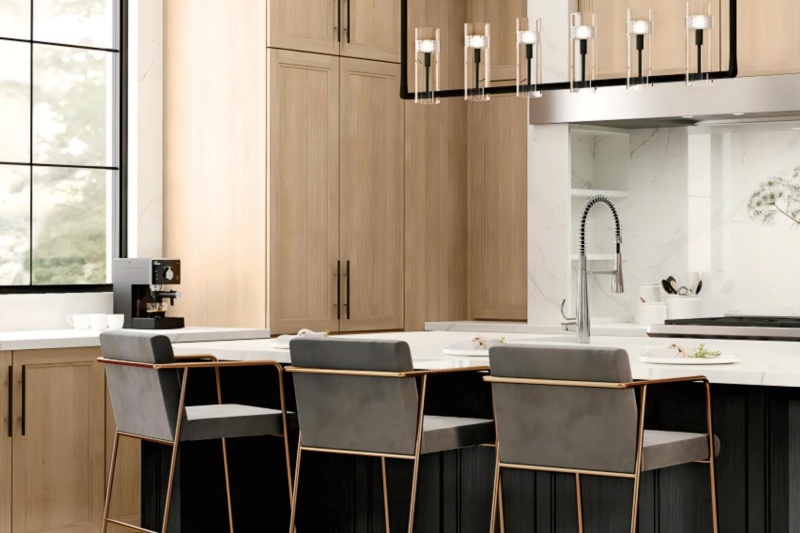
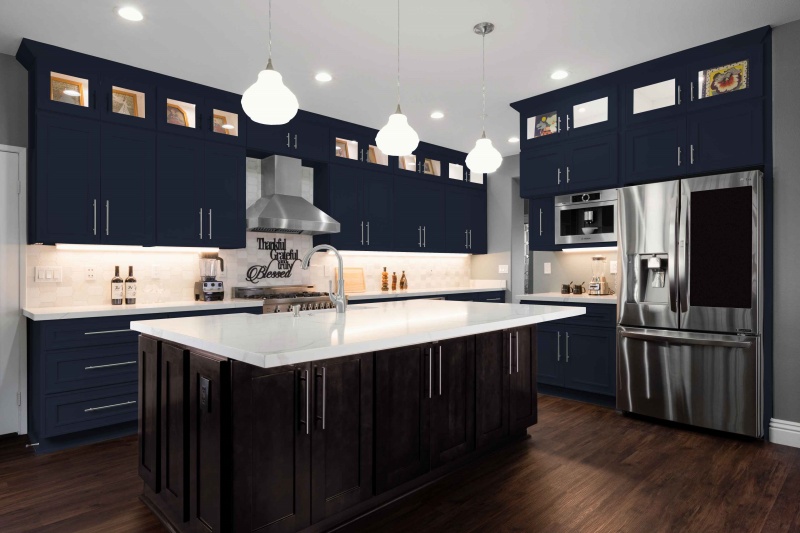
Vietnam’s disadvantage stems from its failure to be recognized as a market economy: the US uses the Philippines’ production costs as a surrogate standard for calculation, overestimating the actual cost of Vietnamese plywood. Vietnam’s competitive advantage comes from low labor costs, sufficient raw material supply, and high production efficiency—not artificial subsidies. As a cabinet factory headquartered in Vietnam, Union Wood supplies high-quality and affordable plywood kitchen cabinets, which are particularly favored by American consumers and other markets around the world.
The US tariff system for wood products is divided into three tiers: a 10% uniform tariff on all imported goods (up to 15%, with a maximum implementation period of 5 months); a 25% tariff on specific products such as cabinets (scheduled to increase to 50% in 2027); and the previous investigation launched under Section 301, which has now been terminated, with the US and Vietnam signing a cooperation agreement to combat illegal timber trade.
*** Source from Vietnamnet ***


 Newsletter
 Español
 IPv6 network supported