
What Are You Looking For?
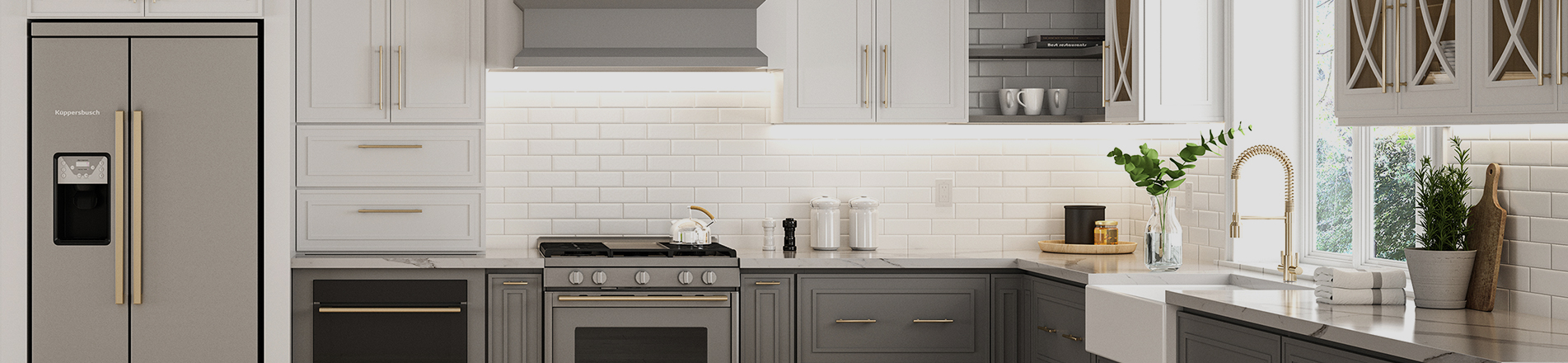
As a Vietnamese cabinet manufacturer with fifteen years of industry experience, we draw on years of production, foreign trade and R&D expertise to clearly distinguish American overlay cabinets, European-style cabinets and Inset cabinets. Many struggle to tell these three styles apart due to their high visual similarity, yet their core differences lie not in appearance, but in structural engineering, manufacturing precision and long-term durability.
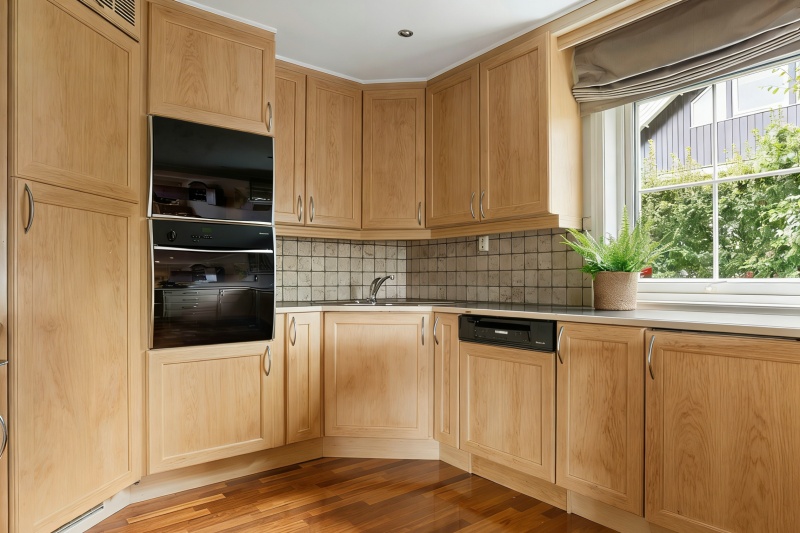
1. American Overlay Cabinets
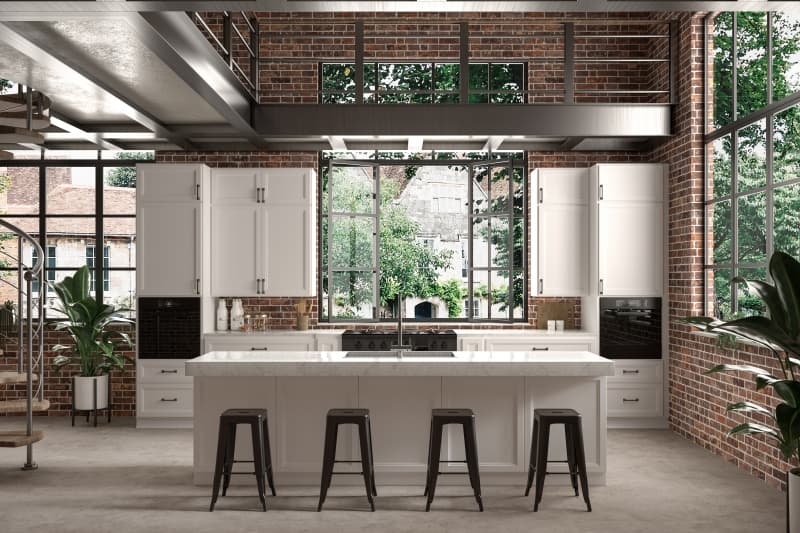
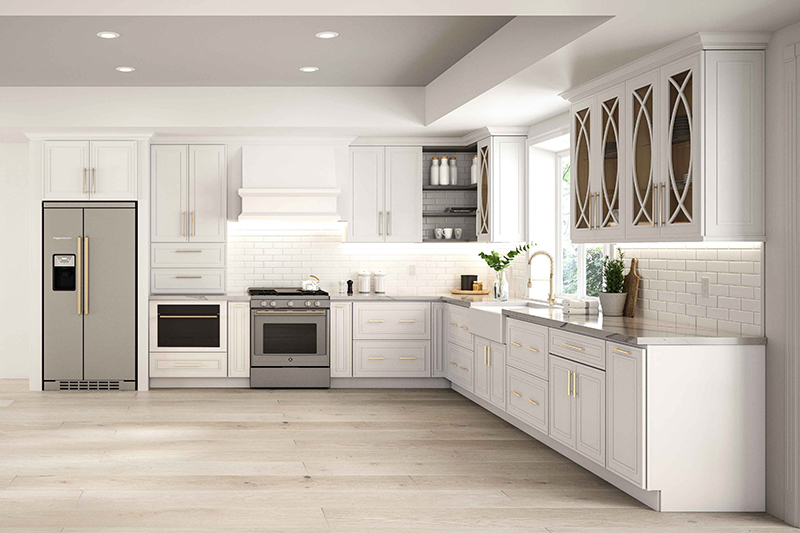
American overlay cabinets were among the first standardized, mass-produced staple products for export. Featuring solid wood frames, a bold aesthetic, established technical specifications and straightforward assembly, they dominated the U.S. market for years as the flagship offering of major cabinet brands. Competition was limited in the early phase; manufacturers could ship large volumes as long as dimensions and workmanship met standards. Over the past decade, however, a flood of new factories intensified cutthroat price competition. American overlay cabinets became increasingly homogenized, profit margins shrank steadily, and the style gradually lost its core competitive edge.
2. European-Style Cabinets
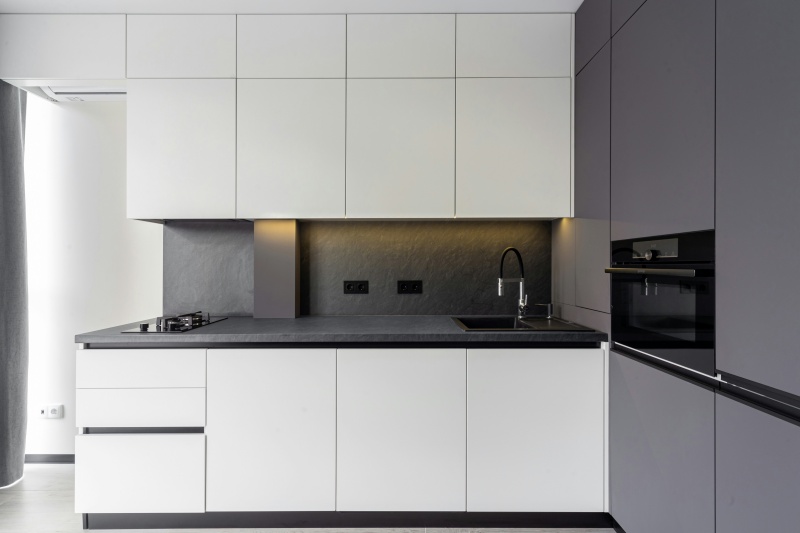
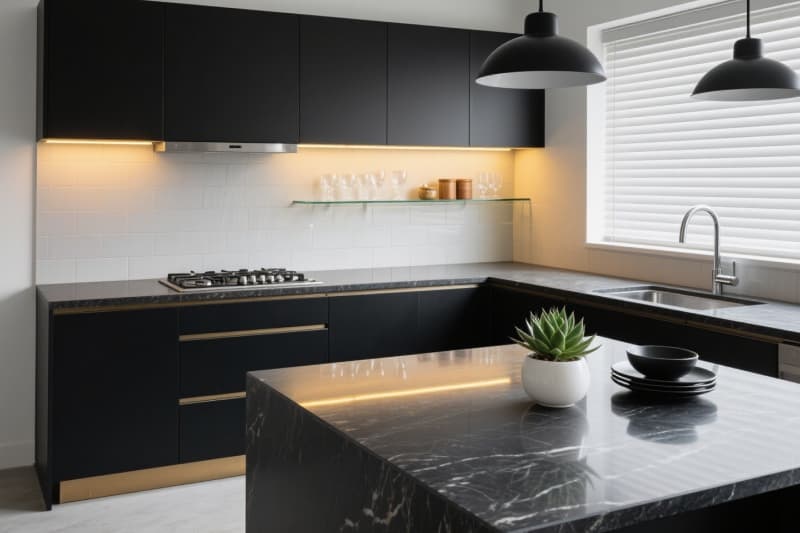
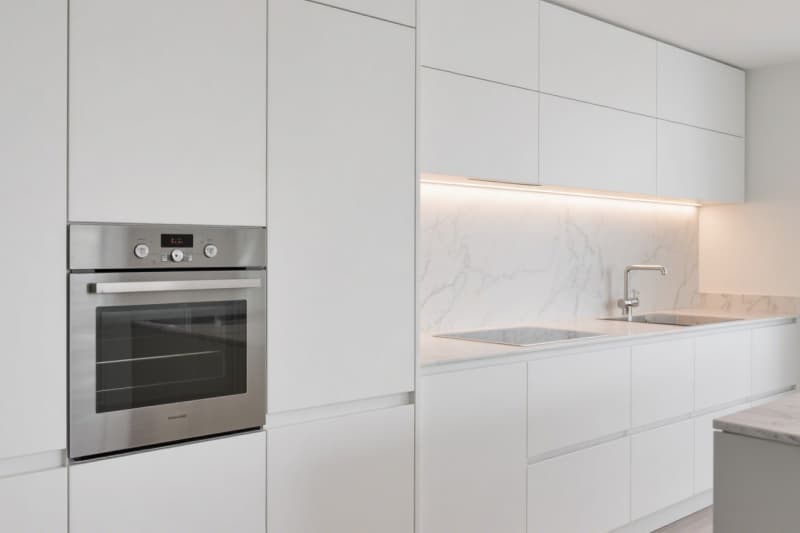
Evolved next in the product lineup, European-style cabinets also adopt an overlay construction and remain the mainstream choice for residential renovations and commercial projects. Built around 3/4-inch standard cabinet boxes, they offer broad material compatibility, supporting plywood, MDF and particleboard options. Hardware, structures and fabrication workflows are fully standardized. Production relies on three fundamental steps: panel cutting, edge banding and boring. Low manufacturing barriers, universal adaptability and strong cost performance make this style widely popular.
3. Inset Cabinets
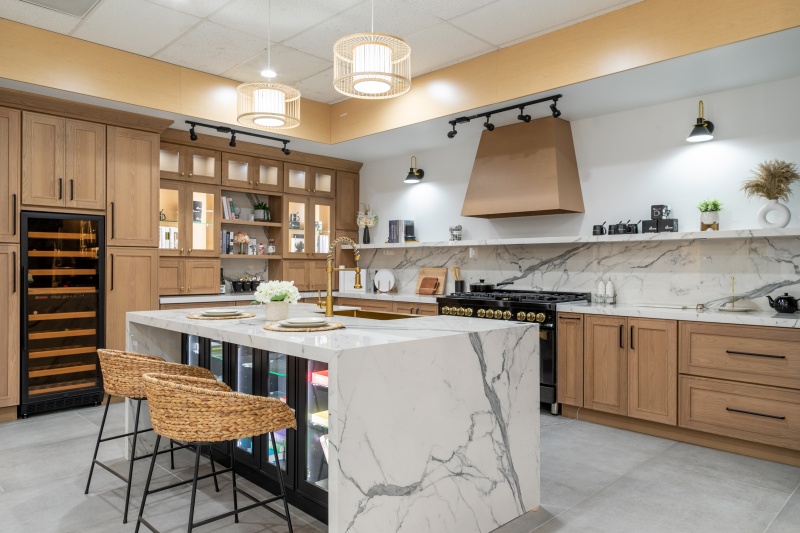
While most manufacturers focused on mass-producing low-cost overlay cabinets, Union Woods, the Vietnamese cabinet supplier, chose not to compete on price. Instead, we targeted the high-end cabinet segment and launched a dedicated R&D program for Inset cabinetry. Responding to custom requirements from international clients, our factory moved beyond simple mass-production workflows and invested heavily in refining a brand-new Inset structure. The initial prototype was completed after two years of repeated testing, structural revisions and precision calibration.
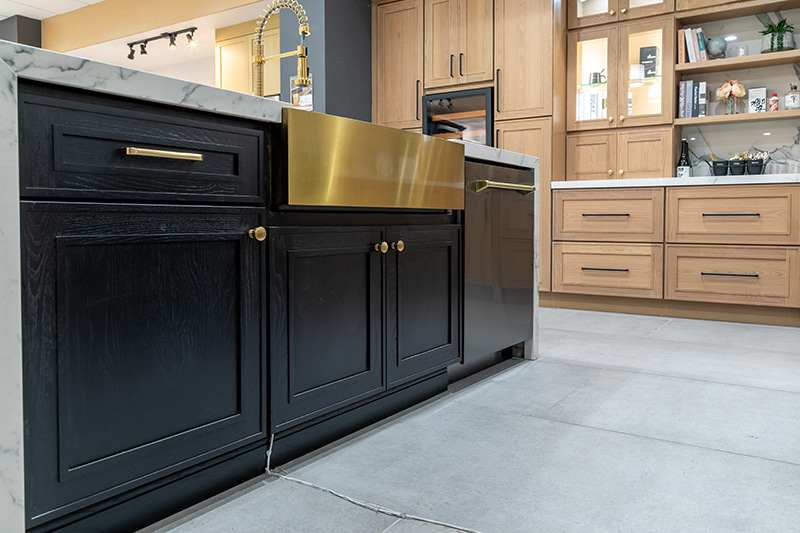
Following multiple rounds of trial and error throughout the development cycle, our engineering team refined structural parameters and fine-tuned production tolerances with rigorous attention to detail, finalizing the Inset cabinet design for global launch. Unlike conventional overlay cabinets, which feature generous tolerances that hide minor dimensional discrepancies and uneven gaps, Inset cabinets demand far tighter craftsmanship and precision control. The doors and drawer fronts of Inset cabinets sit fully recessed within the cabinet frame, flush with the cabinet box, delivering clean, minimalist lines and an elevated premium look.
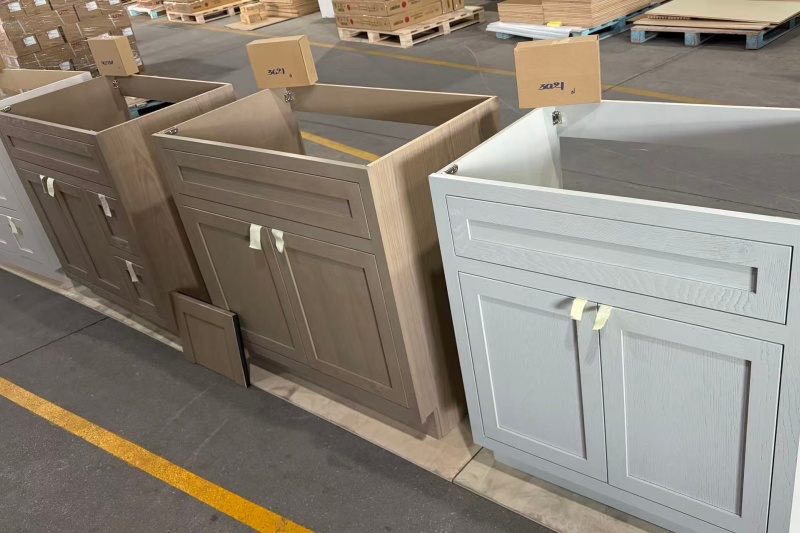
Our Vietnamese facility deploys advanced CNC machinery to produce Inset cabinetry to millimeter-level precision with stringent inspection protocols. This eliminates issues such as misaligned doors and sticky operation caused by tiny dimensional variances. The high-precision manufacturing barrier creates a clear quality gap versus mass-market cabinetry, making Inset cabinets our flagship high-end kitchen offering.
Growing numbers of U.S. cabinet contractors, trade professionals and real estate developers are now inquiring about our Inset cabinet solutions. This Inset line has developed a distinct competitive advantage and become a coveted option in the premium market. Our Vietnamese factory supplies both RTA (Ready-to-Assemble) and pre-assembled delivery options to accommodate large-scale project requirements, with direct factory pricing available for clients.


 Newsletter
 Español
 IPv6 network supported