
What Are You Looking For?
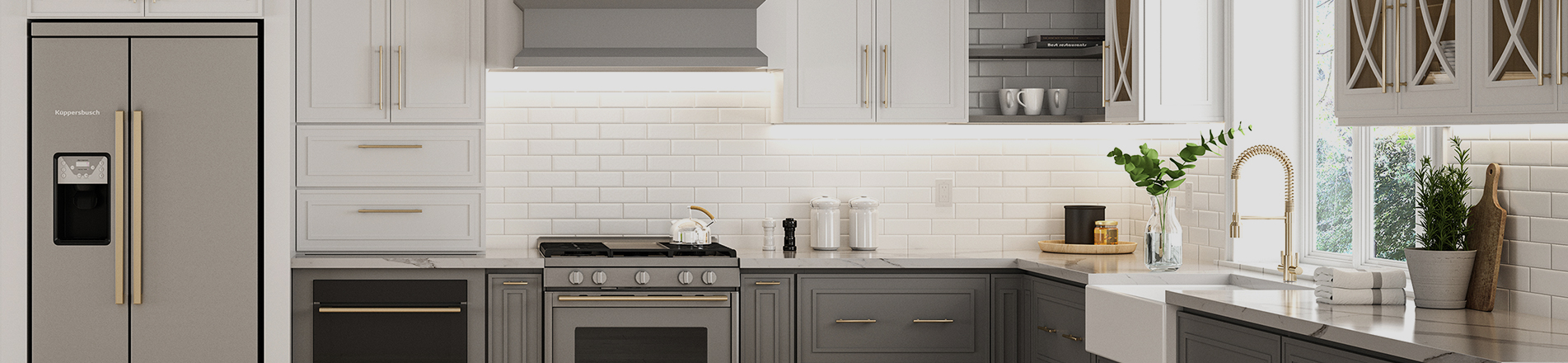
Many people tend to be conservative when it comes to kitchen decoration styles, with white or black kitchen cabinets being the most common choices. However, stepping into a blue kitchen creates an entirely different mood—it makes people feel that this space is not merely a place for cooking, but a spot that brings calmness and comfort. As a result, more and more people are now opting for blue kitchens. How exactly does blue interact with light, emotions, and other design elements to create a kitchen that is both functional and visually striking?
1. The Psychological Effects of Blue
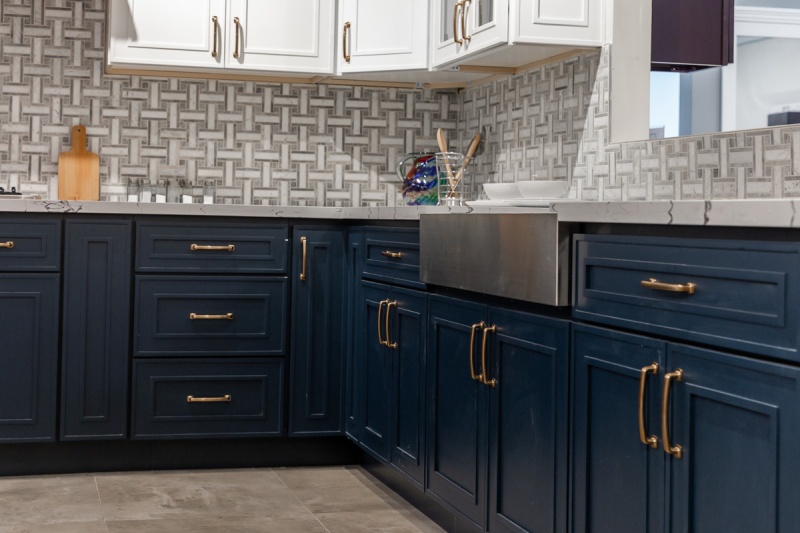
The reason a blue kitchen delivers a sense of comfort lies in the color itself: blue is not a warm tone, but a cool, tranquil hue that helps the brain relax—a perfect fit for kitchens. After all, time spent in the kitchen is often hurried: there are countless tasks to handle, and the pressure of meal preparation can be overwhelming. Blue alleviates such stress, allowing people to feel peaceful while in the blue kitchen.
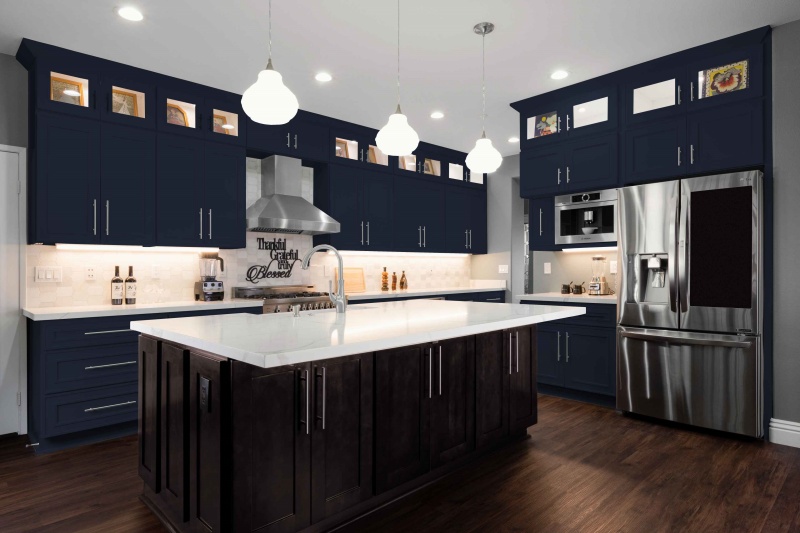
Furthermore, studies show that blue is one of the most popular colors worldwide, meaning it has strong appeal. Choosing blue kitchen cabinets ensures they remain timeless (or "never go out of style"), and when paired with warm-toned countertops, the blue cabinets create a contrast that adds a sense of depth to the space.
2. Fundamentals of Color Theory
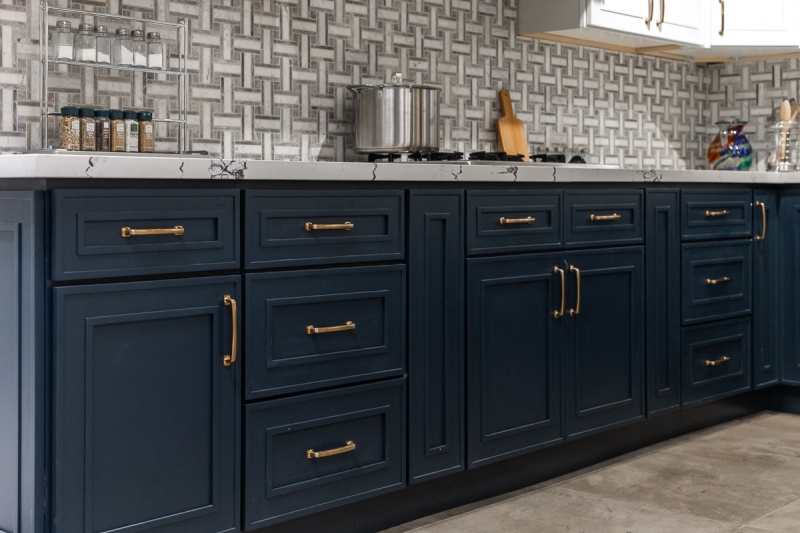
Not all shades of blue are the same, and selecting the right tone is key to creating the ideal kitchen atmosphere. Below, we combine color theory basics (such as undertones and saturation) to explore how different blues complement current popular design styles:
3. Practical Tips for Blue Kitchens
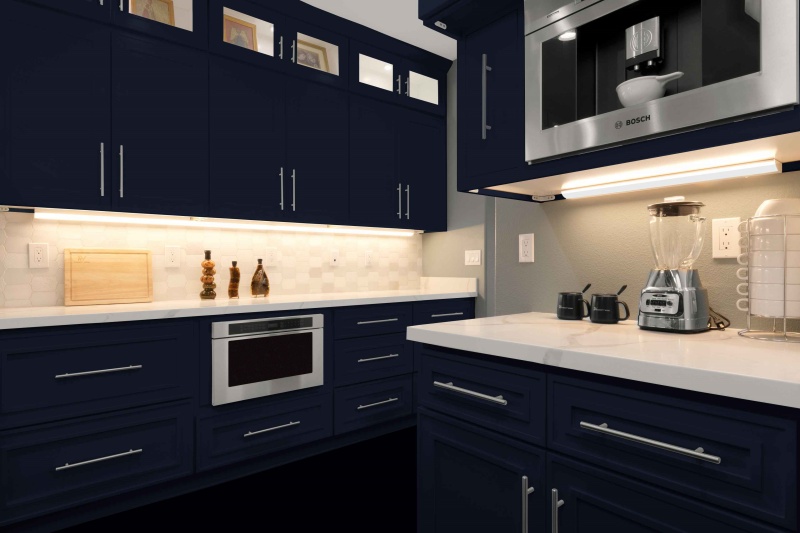
Light blue cabinets show dirt more easily than dark blue or white ones. Therefore, if you cook frequently or have children at home, opt for medium or dark blue cabinets with a satin or high-gloss finish—these surfaces are easier to wipe clean. Additionally, avoid an all-blue kitchen: if the cabinets are blue, do not choose blue for the countertops or hardware. Balance is key.
Conclusion: Why Blue Kitchens Stand the Test of Time
A blue kitchen is far from a fleeting trend—it is a design choice rooted in color theory, built to withstand the passage of time. Whether you choose light blue to create a rustic (or "pastoral") kitchen or dark blue to craft a modern space, blue brings calmness, versatility, and personality to the kitchen—a crucial area in any home.


 Newsletter
 Español
 IPv6 network supported