
What Are You Looking For?

Driven by robust overseas demand for home products and increasingly complete industrial supporting chains, Vietnam’s wood processing and wood product export sector has maintained strong growth in recent years. The North American market has become a core driver of industry revenue. For this reason, local Vietnamese wood enterprises are stepping up efforts to cultivate the North American market, recognizing that only comprehensive improvements to their overall competitiveness can help them retain existing market share and tap new business potential.
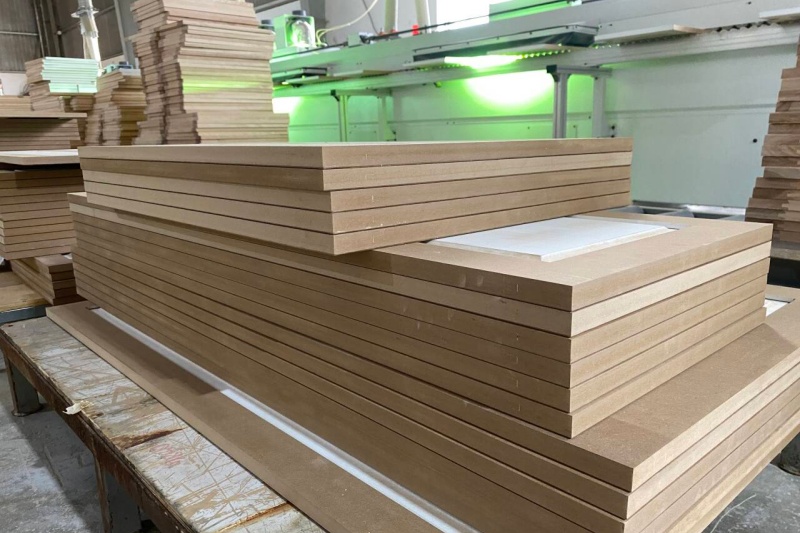
In terms of market layout, North America is an irreplaceable overseas market for Vietnam’s wood industry. Statistics from the Ho Chi Minh City Department of Trade and Investment Promotion show that consumption in North America has risen steadily in recent years, accounting for roughly one-third of Vietnam’s total wood export volume.
Full-year data for 2025 indicates that the United States remained Vietnam’s largest export market, with bilateral trade reaching $37.85 billion. Exports of wood products alone surpassed $17 billion for the first time, hitting a record high. Among this total, Vietnam’s wooden furniture exports to the U.S. stood at $9.46 billion. Supported by cost-effective production capacity and large-scale OEM capabilities, Vietnam has retained its position as the top supplier of wooden furniture to the United States.
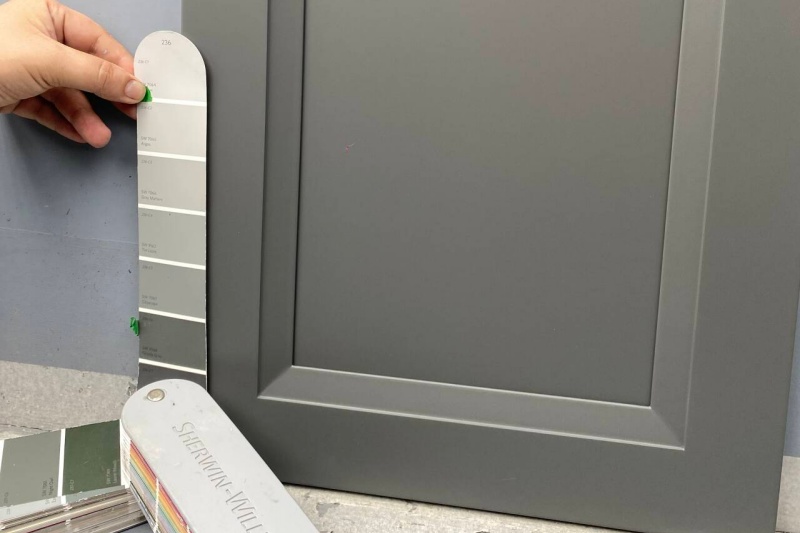
On June 11, a special training seminar themed Enhancing Integration Capabilities for the North American Market and Empowering the Development of Indoor and Outdoor Home Industries was held. Hu Thi Quyen, Deputy Director of ITPC, stated at the event that local home and wood product manufacturers need to achieve multi-dimensional upgrades to maintain and expand their market share in North America. Enterprises must improve management capabilities, keep pace with the global trend of green and low-carbon consumption to develop eco-friendly, compliant and sustainable wood products, resolve working capital issues, and actively connect with modern distribution channels.
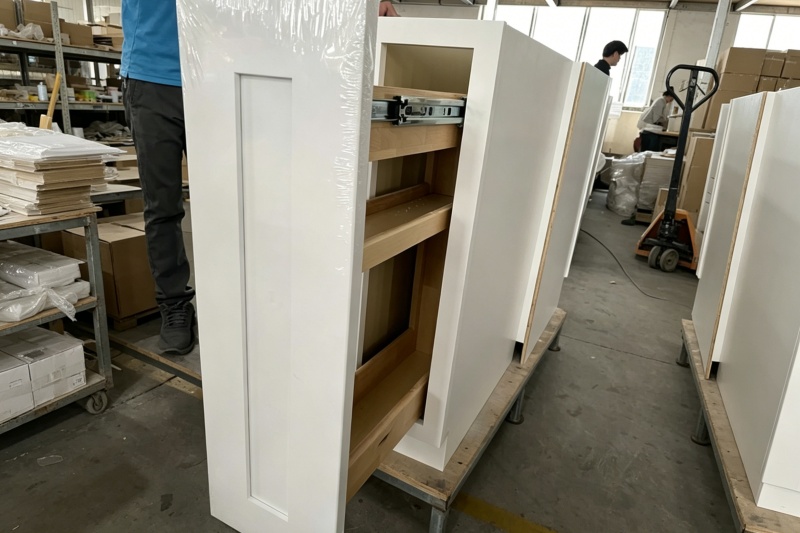
Amid the current market landscape, Union Wood continues to expand its client base in the U.S. market. The company offers cost-effective cabinets and other products, delivering high-quality cabinetry at wholesale prices. It has also expanded into high-value-added segments including high-end custom products and handcrafted solid wood furniture to mitigate operational risks caused by changes in trade policies.
To address prevalent trade risks, Vietnam’s Ministry of Industry and Trade has issued official guidelines for compliant operation. Nguyen Yen Ngoc, Director of the Foreign Trade Remedies Division under the ministry’s Trade Remedies Department, suggested that all wood export enterprises should proactively study relevant laws and regulations, keep track of risk warning systems on a regular basis, build transparent supply chains, and optimize internal financial systems in line with international accounting standards. These measures help cross-border businesses avoid risks such as anti-dumping duties, additional tariffs and cargo detentions.
In conclusion, unlike general industrial goods, wood products are subject to special regulation under the U.S. Lacey Act, which requires full traceability of timber sources, processing procedures and distribution chains. Only by strictly complying with relevant inspection rules can enterprises achieve long-term and stable overseas development and capture the lasting dividends of home consumption in North America.


 Newsletter
 Español








 IPv6 network supported