
What Are You Looking For?
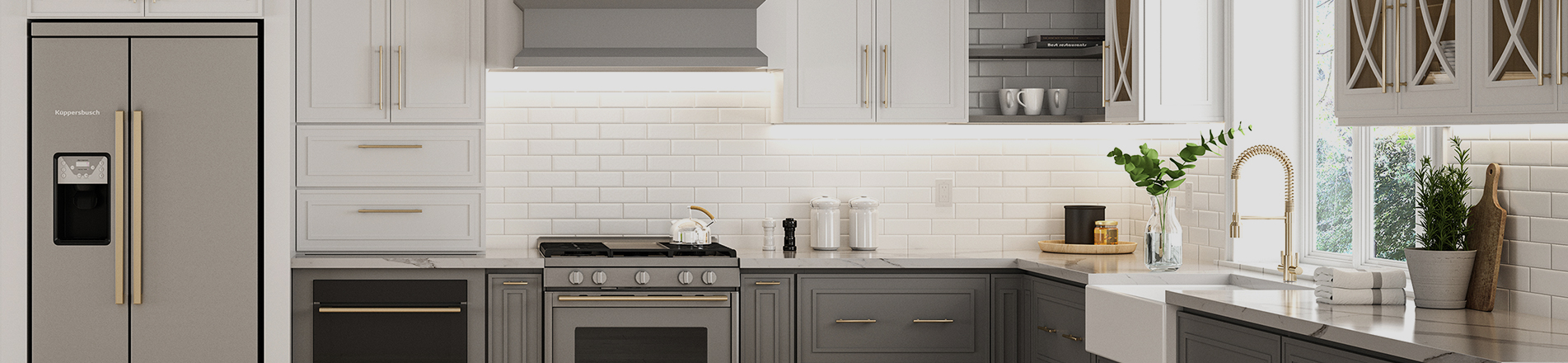
When the U.S. imposed a new round of high tariffs on various imported products, including a 50% tariff on kitchen cabinets, bathroom vanities, and related building materials, many Vietnamese cabinet manufacturers did not hit the pause button. Instead, they chose to ramp up production and compress their profits—all betting on one thing: that U.S. consumers are willing and even have to pay more for new cabinets.
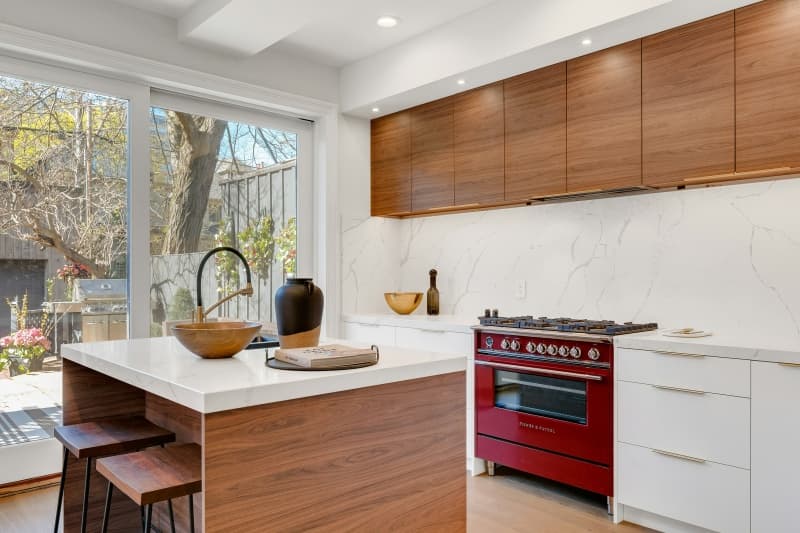
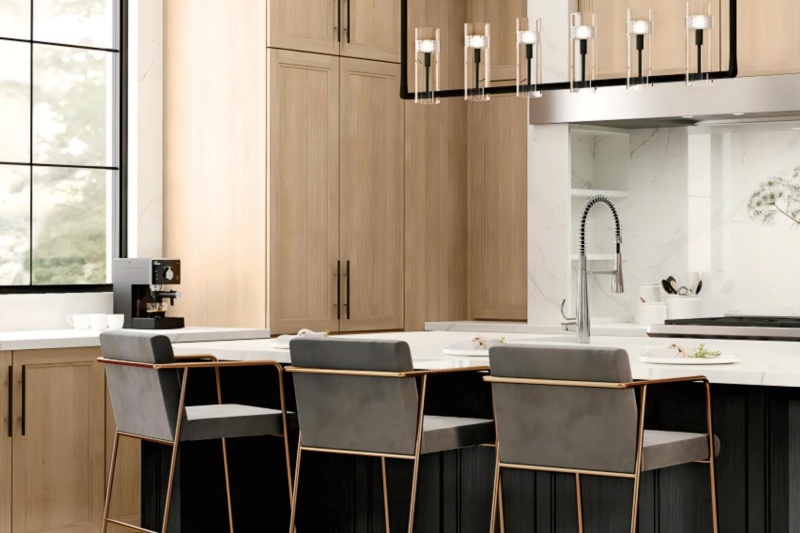
Although the import tariff on kitchen cabinets has reached 50%, there is a tariff exemption for oak materials imported from the U.S., processed into cabinets at Vietnamese factories, and then re-exported to the U.S. Therefore, for customized oak kitchen cabinets required by some high-end commercial venues, the impact of tariff changes is minimal, and there remains a promising market.
Statistics from the Vietnam Timber and Forest Products Association show that from January to July this year, Vietnam’s cabinet export value nearly doubled year-on-year, with over 90% of the exports going to the U.S. Relocating production lines to the U.S. would multiply labor costs several times over, and it would likely be difficult to hire enough skilled workers. In contrast, Vietnam enjoys lower labor costs. However, the price advantage of Vietnamese cabinets over those produced locally in the U.S. has narrowed. That said, since importing raw logs from the U.S. qualifies for tariff exemptions, supported by this dual cost advantage, the export price of Vietnamese cabinets—even after adding the 50% tariff—remains lower than that of U.S.-made products.
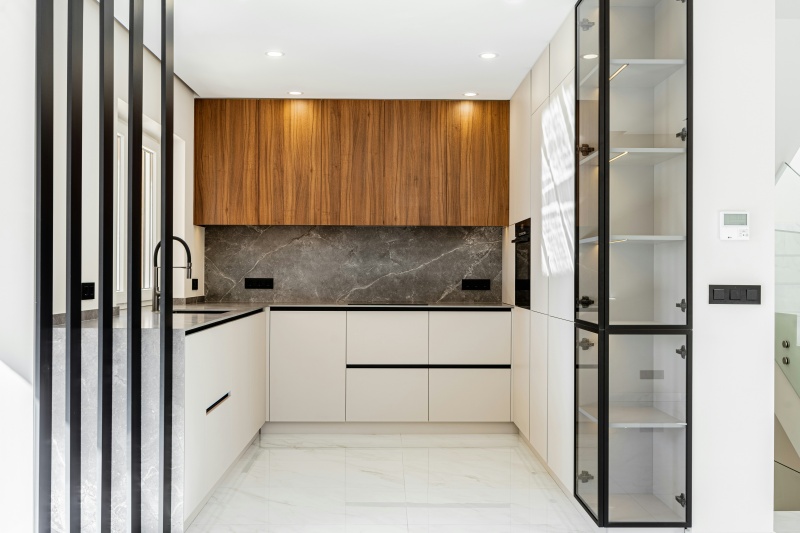
Based on past experience, after tariffs on kitchen cabinets are imposed, the cost is likely to be shared by both sides, with U.S. retail terminals and consumers bearing a larger share. While the American Cabinet Alliance has called for a 100% tariff to protect the domestic industry, the sector faces structural insufficient production capacity. This gap still needs to be filled by Vietnamese cabinet manufacturers.
The U.S. government has clearly stated that cabinet tariffs will increase from 25% to 50% starting January 1, 2026. This means that the profit margins of Vietnamese cabinet enterprises will be significantly compressed. If applications for zero-tariff exemptions fail, some small and medium-sized enterprises may fall into losses. Hence, most Vietnamese cabinet exporters are betting that U.S. consumers can absorb the tariff shocks.
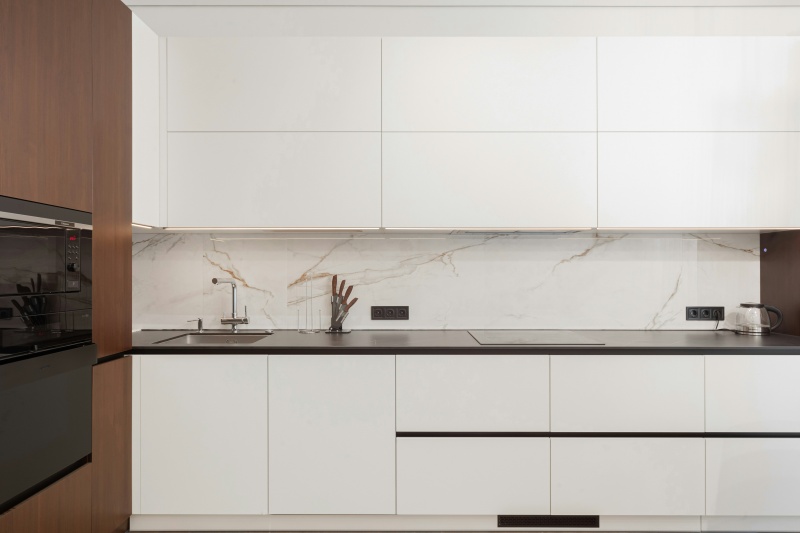
Such a sudden policy change has made it difficult for enterprises to hedge risks through measures like stockpiling goods in advance or locking in exchange rates. Moreover, the production cycle of cabinets is as long as 45 to 60 days, so order cancellations will directly lead to overstocking of finished products. If the 50% tariff is finally implemented, the terminal prices of Vietnamese cabinets in the U.S. will generally rise by 25% to 30%, and demand will likely shrink by 15%. Nevertheless, as long as the U.S. production capacity gap persists, Vietnam will not be completely excluded from the market—and that is why Vietnamese cabinet exporters have chosen to hold on.


 Newsletter
 Español
 IPv6 network supported