
What Are You Looking For?
Last month, Vietnam released its economic data for the third quarter of 2025. Its GDP increased by 8.22% year - on - year, and the total import and export volume in the first three quarters exceeded 680 billion US dollars. Faced with the challenge of the 20% reciprocal tariffs imposed by the United States on Vietnam starting from August 7th, Vietnam has demonstrated remarkable economic resilience under pressure through a series of targeted measures, including multiple rounds of negotiation and bargaining, structural policy adjustments, and the diversification of export markets.
In recent years, Vietnam's economy has developed at a rapid pace but has become overly reliant on foreign trade, a weakness that has become increasingly prominent. Particularly, the United States' imposition of 20% tariffs on Vietnamese goods exported to the US, coupled with the zero - tariff treatment enjoyed by US products exported to Vietnam, has had an adverse impact on the Vietnam - US trade structure. Nevertheless, Vietnam has rolled out short - term measures to stabilize the trade structure.
General Secretary of the Central Committee of the Communist Party of Vietnam has called on the US side to recognize Vietnam's market economy status and lift export restrictions on some high - tech products. Although Vietnam's export volume dropped by 1.7% month - on - month in September this year, marking a decline for two consecutive months, it achieved counter - trend growth in trade with the US by optimizing its export product mix. The export volume to the US in the first three quarters surged by 38% year - on - year. The substantial growth in exports of products such as coffee and chemical goods has offset the export shortfall of traditional labor - intensive products.
To boost trade, the State Bank of Vietnam has adopted a gradual currency depreciation strategy. By September, the Vietnamese dong had depreciated by approximately 3.4% against the US dollar. Meanwhile, Vietnam has actively pursued market diversification and advanced free trade agreement negotiations with multiple regional organizations and countries. The continuous inflow of foreign capital has provided support for economic resilience. In the first three quarters, the actually utilized foreign direct investment reached 18.8 billion US dollars, an increase of 8.5% year - on - year, with investment gradually shifting towards high - tech, renewable energy and other sectors.
The domestic demand market has emerged as a crucial hedging force. Vietnam has actively tapped into the potential of its domestic consumer market. Data on household spending in Vietnam for the first three quarters of 2025 showed a year - on - year increase of 6.5%, reflecting a strong performance in domestic consumption. Vietnam has set goals for 2025: to have over 55% of its population engaging in online shopping, to achieve a per capita annual consumption of 600 US dollars, and to reach a total retail e - commerce revenue of 35 billion US dollars.
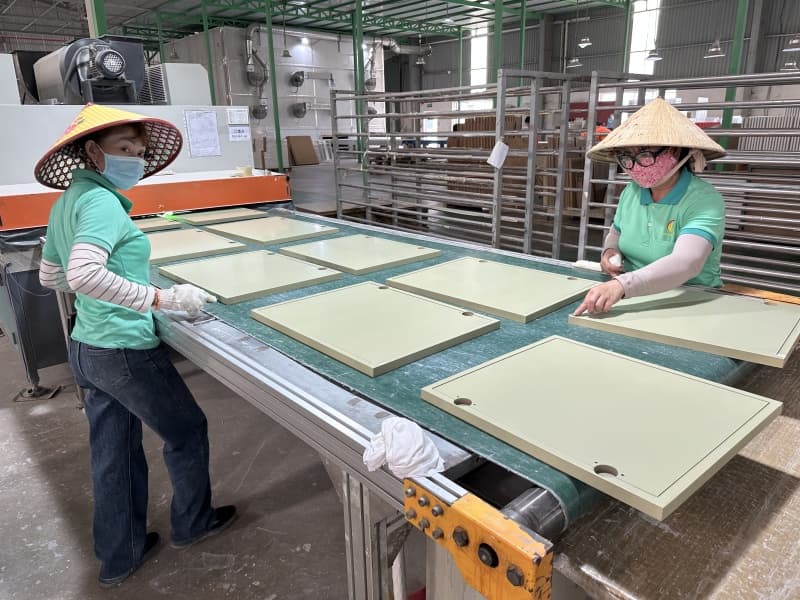
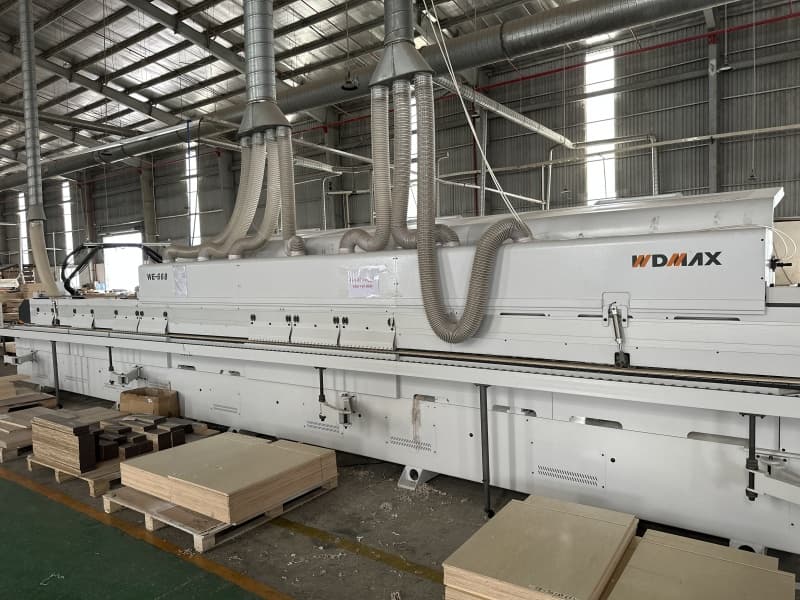
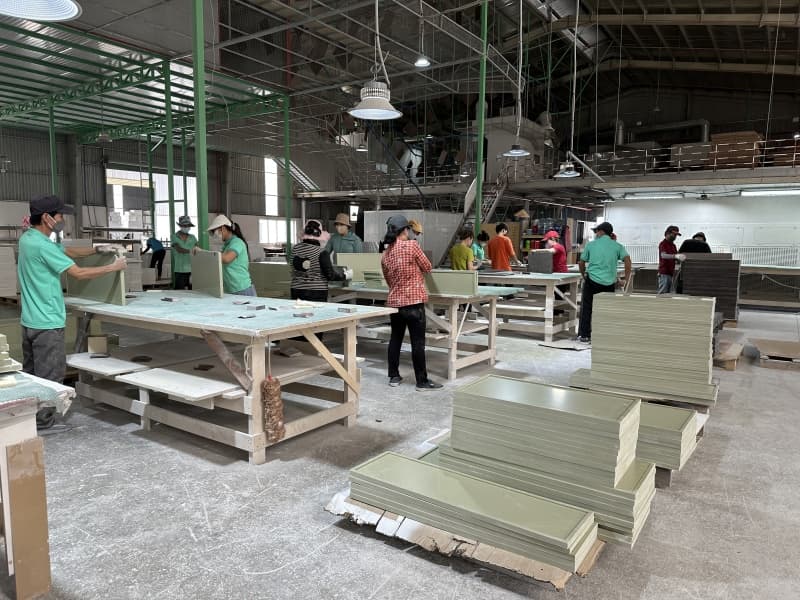
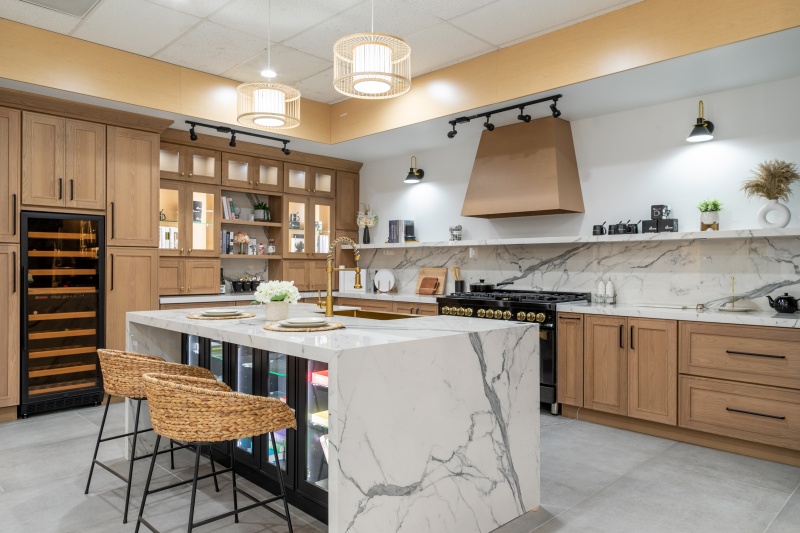
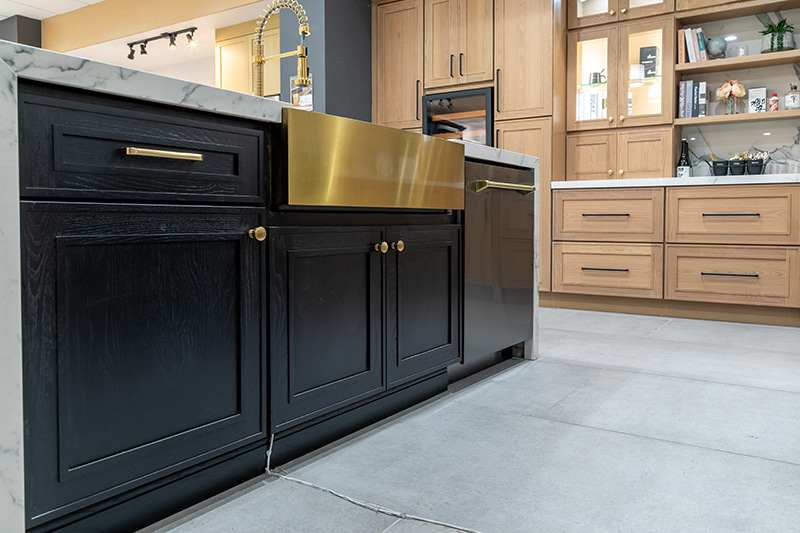
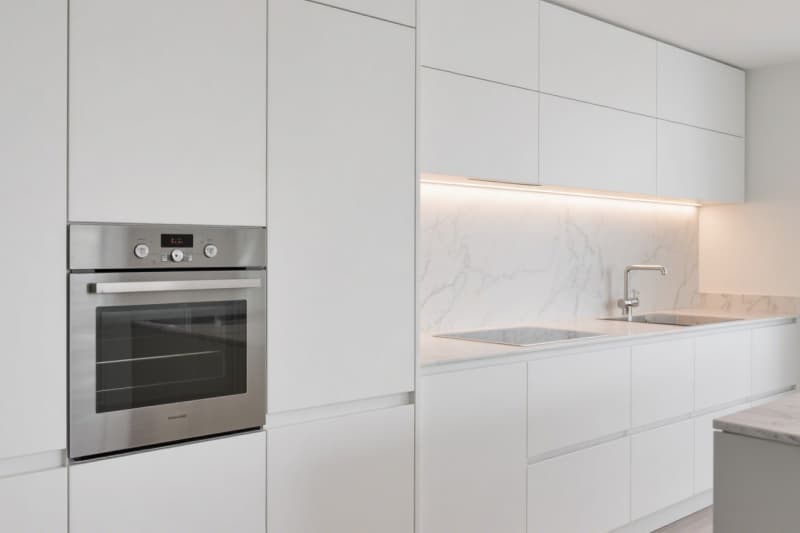
Despite the severe challenges, Vietnam's economic fundamentals remain stable, and the order volume of our factories in Vietnam has not been significantly affected. Union Woods provides customized engineering and wholesale services. Its high - end projects feature kitchen cabinets made of imported American white oak. These products enjoy US duty - free policies when exported to the United States, thus being barely affected by the tariff imposition.


 Newsletter
 Español





 IPv6 network supported