
What Are You Looking For?

Against the global drive for green buildings and carbon neutrality goals, engineered wood has emerged as a strategic building material across the construction industry thanks to its low-carbon features, bringing fresh development opportunities to Vietnam’s well-established wood processing sector. Endowed with a solid timber industry foundation and abundant forest resources, Vietnam’s engineered wood industry can effectively raise product added value and help its wood sector tap into the global green building materials market.
Promising Development Potential Amid Global Low-Carbon Transition
Vietnam’s wood export industry has achieved leapfrog growth over the past two decades. Its wood export volume stood at less than 1 billion US dollars in 2003, and soared to 16.7 billion US dollars in 2025. Meanwhile, intensifying global market competition and increasingly stringent international sustainability regulations have squeezed profit margins for local wood processing enterprises.
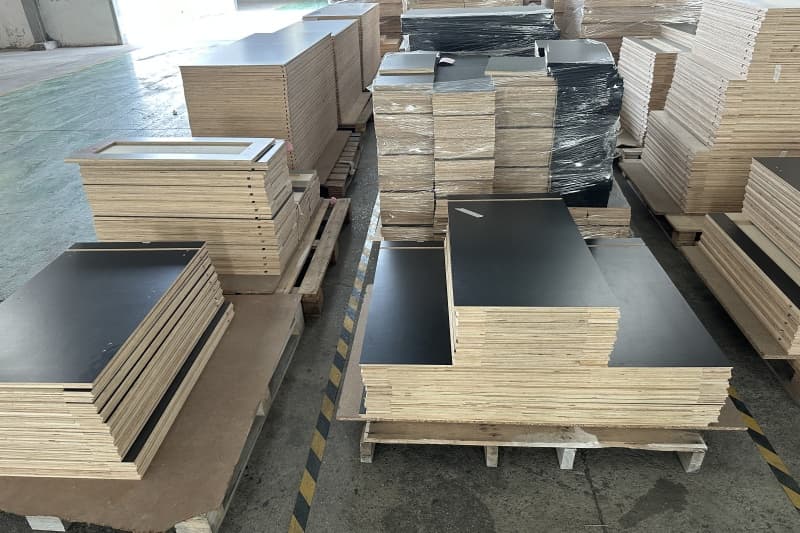
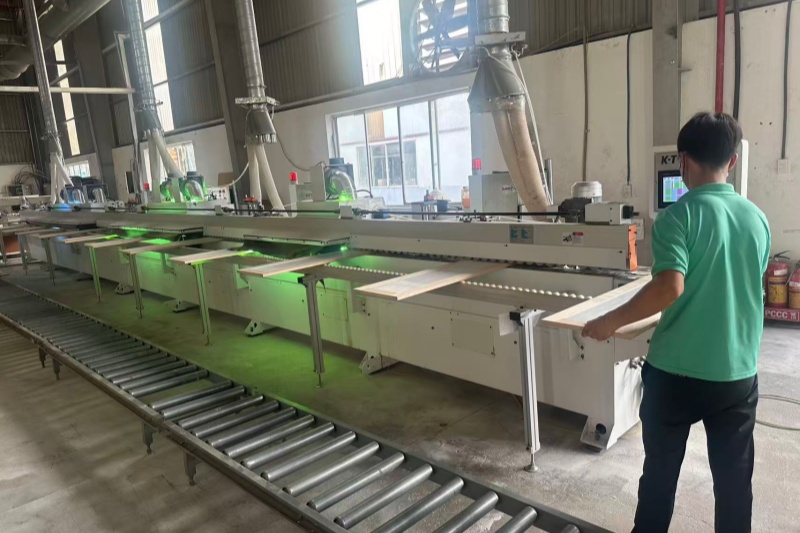
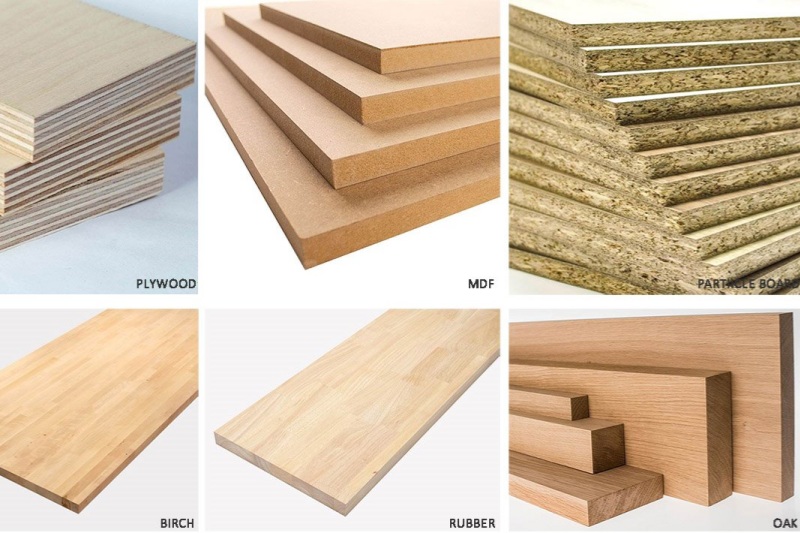
In this challenging landscape, engineered wood has become a key driver for the transformation and upgrading of Vietnam’s timber industry. Many countries across Europe, North America and Asia have widely promoted wood-based panels. Leveraging advanced production technologies, Vietnam manufactures engineered wood panels that outperform traditional solid wood in structural stability and load-bearing capacity. With highly standardized quality, these products comply with strict industrial technical specifications.
Globally, demand for engineered wood keeps rising. Nevertheless, Vietnam’s timber sector still focuses heavily on furniture manufacturing and general wood processing, while its engineered wood segment for construction remains in the initial stage. As green consumption concepts gain traction in the construction field, consumers pay growing attention to product safety, environmental performance and raw material origins, creating enormous growth potential for the industry.
Inherent Advantages and Existing Challenges
Vietnam boasts a unique edge in developing wood-based panels: abundant plantation forest resources. By 2025, the country’s total plantation forest area neared 4.9 million hectares, with major commercial tree species including acacia, rubberwood, pine and eucalyptus. Expanding the application of timber from local plantations can boost product added value, facilitate forest ecological protection and advance sustainable forestry development.
Despite sufficient raw material supply, the industry still faces multiple hurdles. First, most local plantations adopt short rotation cycles and mainly supply wood chips. The resulting logs are small in diameter with numerous knots and prone to deformation, failing to meet production requirements for high-performance structural engineered wood. Second, the industry suffers from a severe shortage of professional talents. Local architects and engineers lack experience in modern wood structure design, composite material assembly, as well as sound insulation and moisture-proofing for wooden buildings. Relevant courses on modern engineered wood technology and wood structure design have not been included in school curricula, leaving talent cultivation lagging behind industrial demands.
The biggest bottleneck restricting industrial development is the incomplete system of industrial standards and regulations. Though Vietnam has released certain standards for finger-jointed wood and glued laminated timber, there is a lack of unified codes covering the entire process of design, construction and acceptance for heavy timber structures. In addition, a localized wood strength grading system aligned with European EN standards and American ASTM standards has not been established.
The absence of sound industrial standards forces domestic enterprises to bear high costs for overseas third-party certification. This directly increases production and testing expenses, weakens the competitiveness of Vietnamese engineered wood in the global market, and hinders the industry’s deeper integration into the global value chain.
Recommendations for Future Development
To turn wood-based panels into a high-potential emerging industry, the above challenges must be addressed. Pham Duc Thang, a forestry expert at international forestry research organization Forest Trends, suggested that Vietnam roll out comprehensive development plans and improve relevant laws, regulations and technical standards.
Furthermore, Vietnam needs to increase investment in wood structure research and professional talent training, and strengthen collaboration across forestry, wood processing and construction sectors. The country should build a complete industrial value chain for wood-based panels and drive the traditional timber industry to upgrade toward high value-added products.
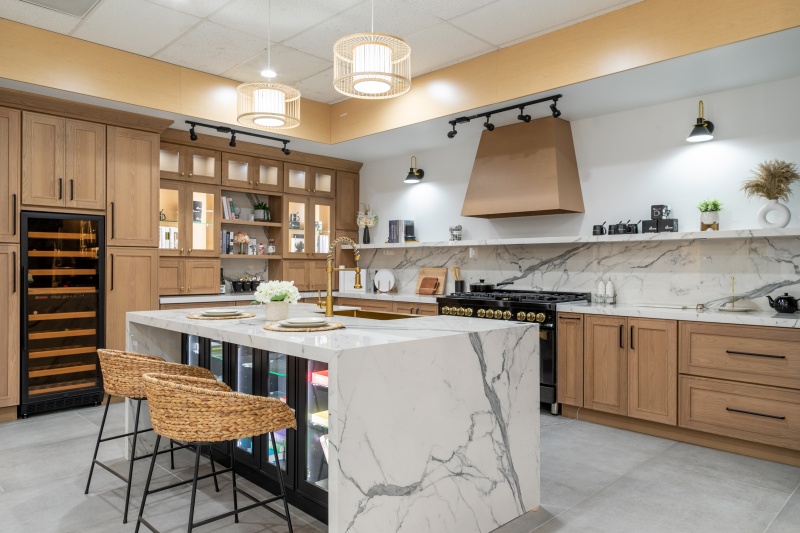
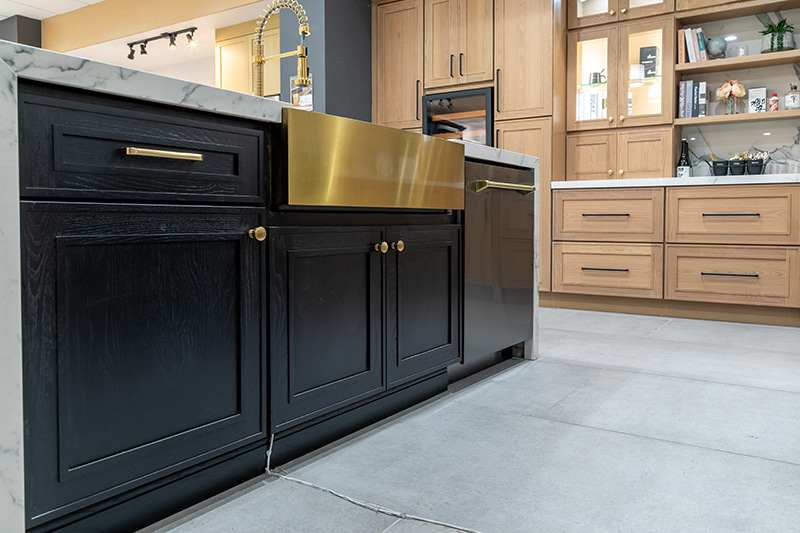
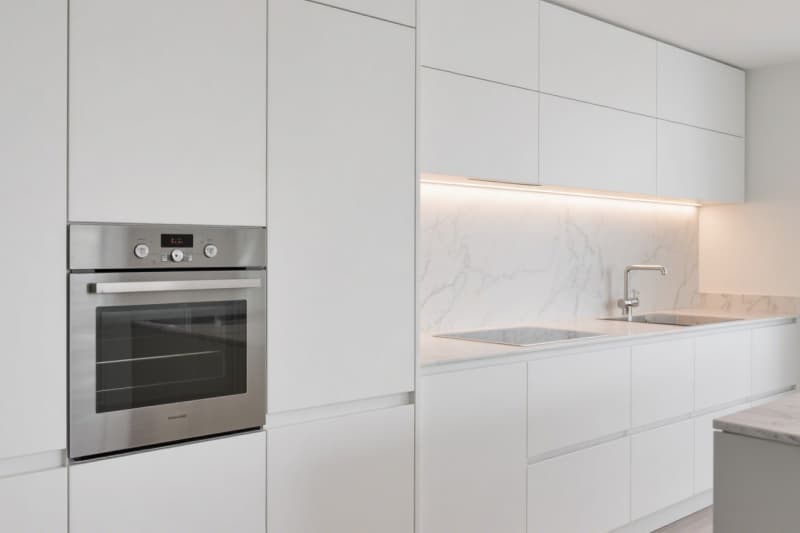
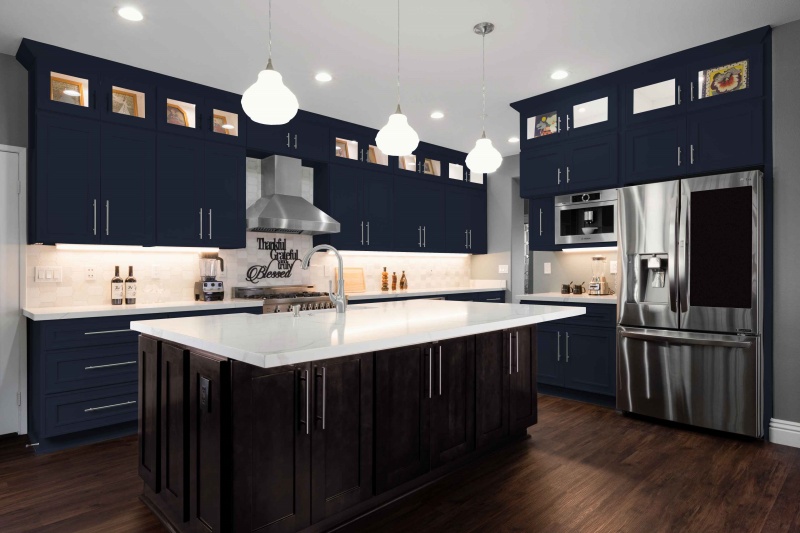
Union Wood supplies kitchen cabinets, bathroom vanities and wardrobes made of premium plywood. Our products feature affordable prices and reliable performance, supported by a complete and quality-guaranteed supply chain. You can always trust us as your professional wholesaler from Vietnam.


 Newsletter
 Español



 IPv6 network supported